ALIVE RIVER, episode 4: The Eurasian beaver, Ecosystem Engineer
In the previous episode, we dove beneath the surface and discovered the mysterious inhabitants of the riverbed. This time, we’ll be searching along the riverbank for someone much larger – yet just as elusive. If you’ve ever noticed freshly gnawed trunks, a tree that mysteriously toppled overnight, or tracks pressed into a muddy bank, the largest rodent in Europe may be hiding nearby.
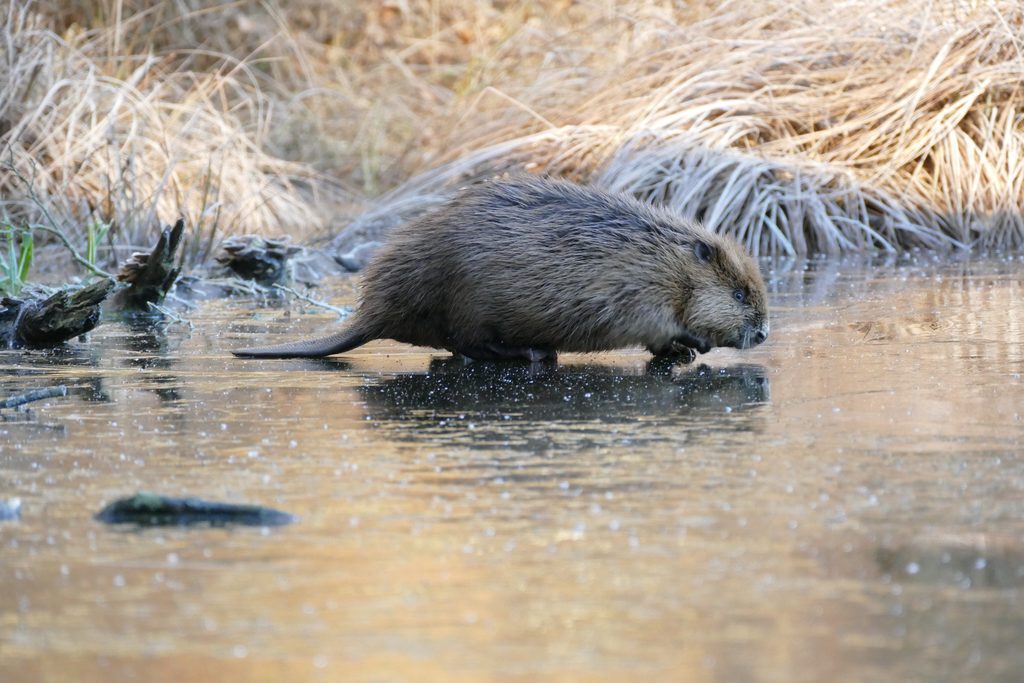
Photo: Robert Šiško
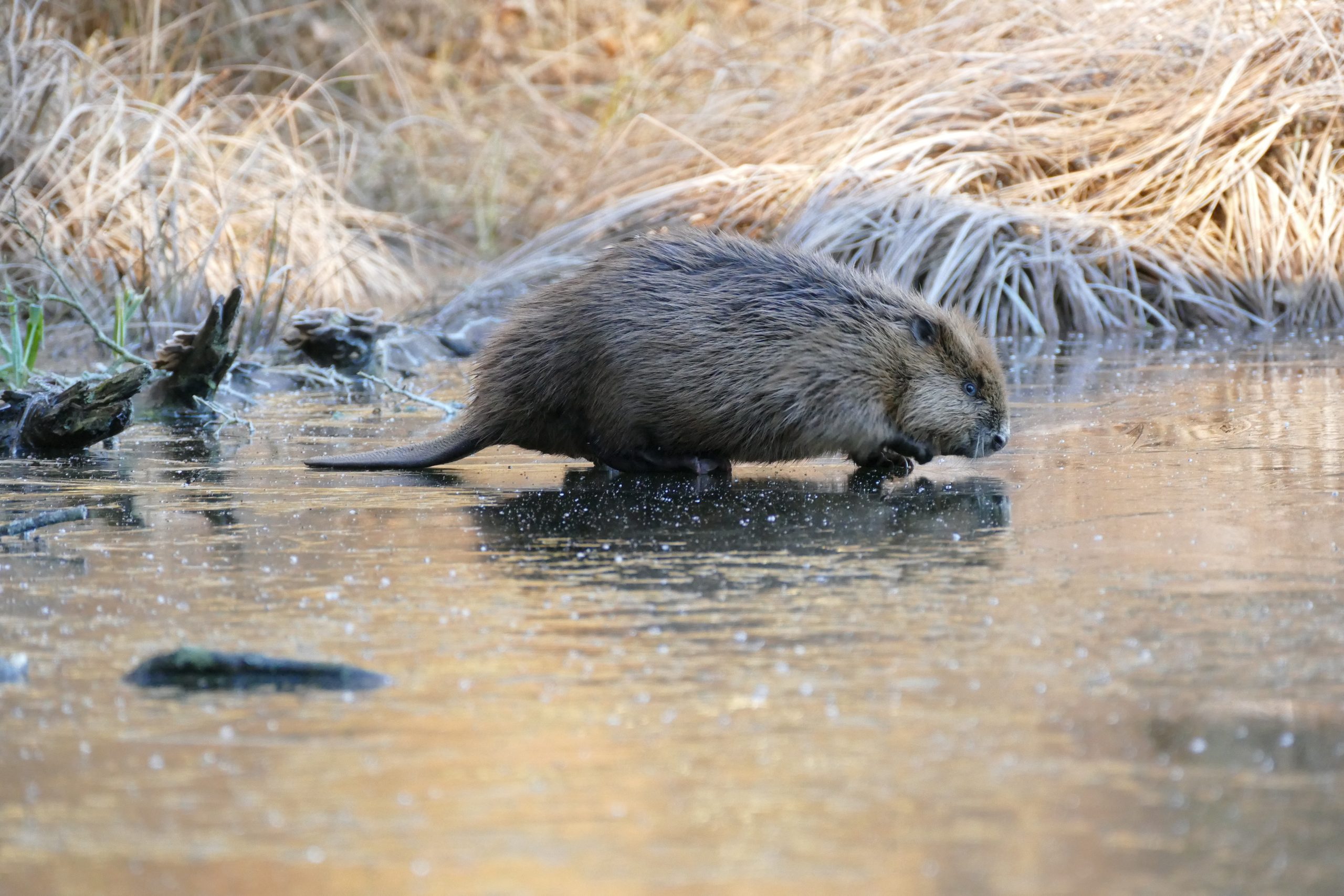
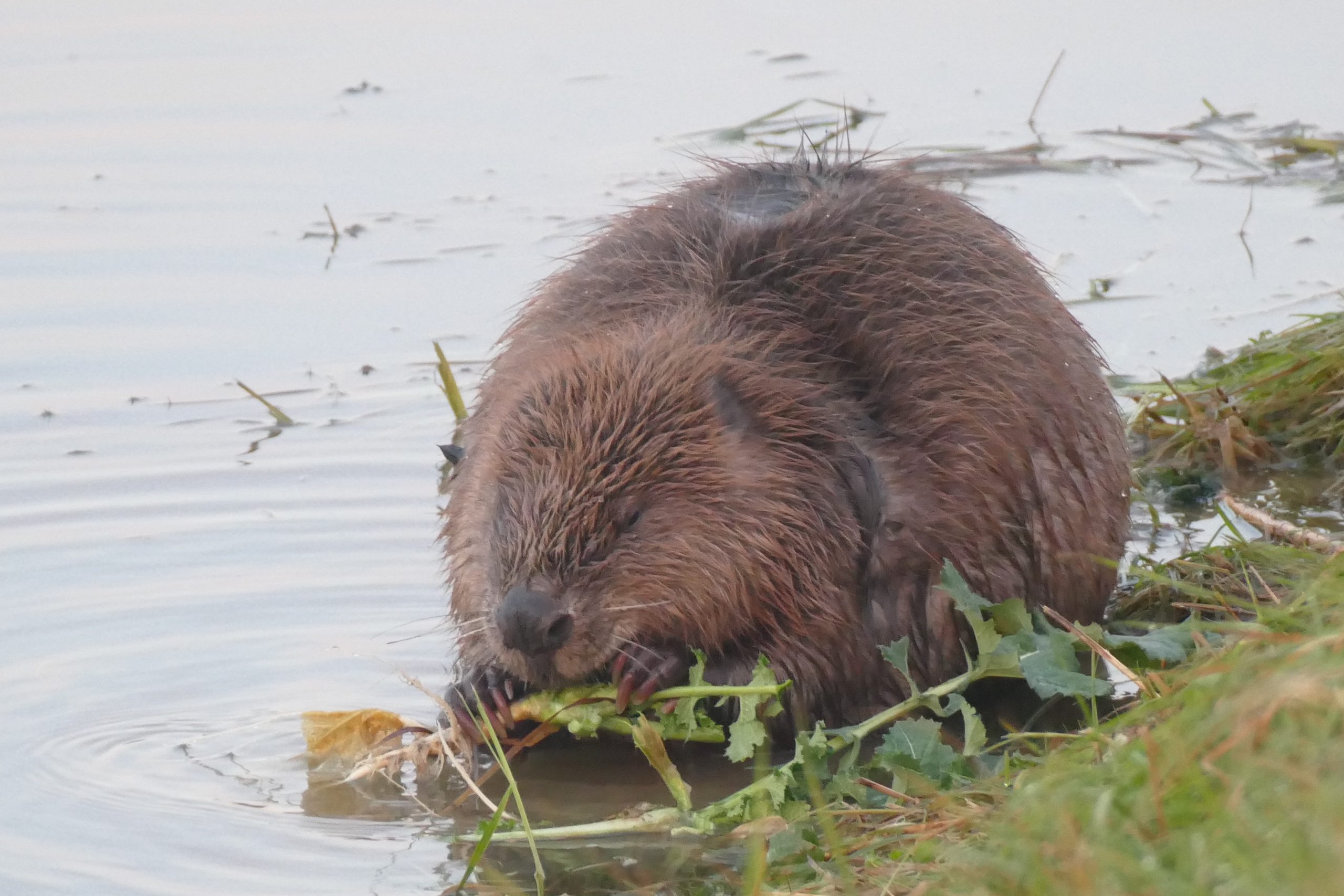
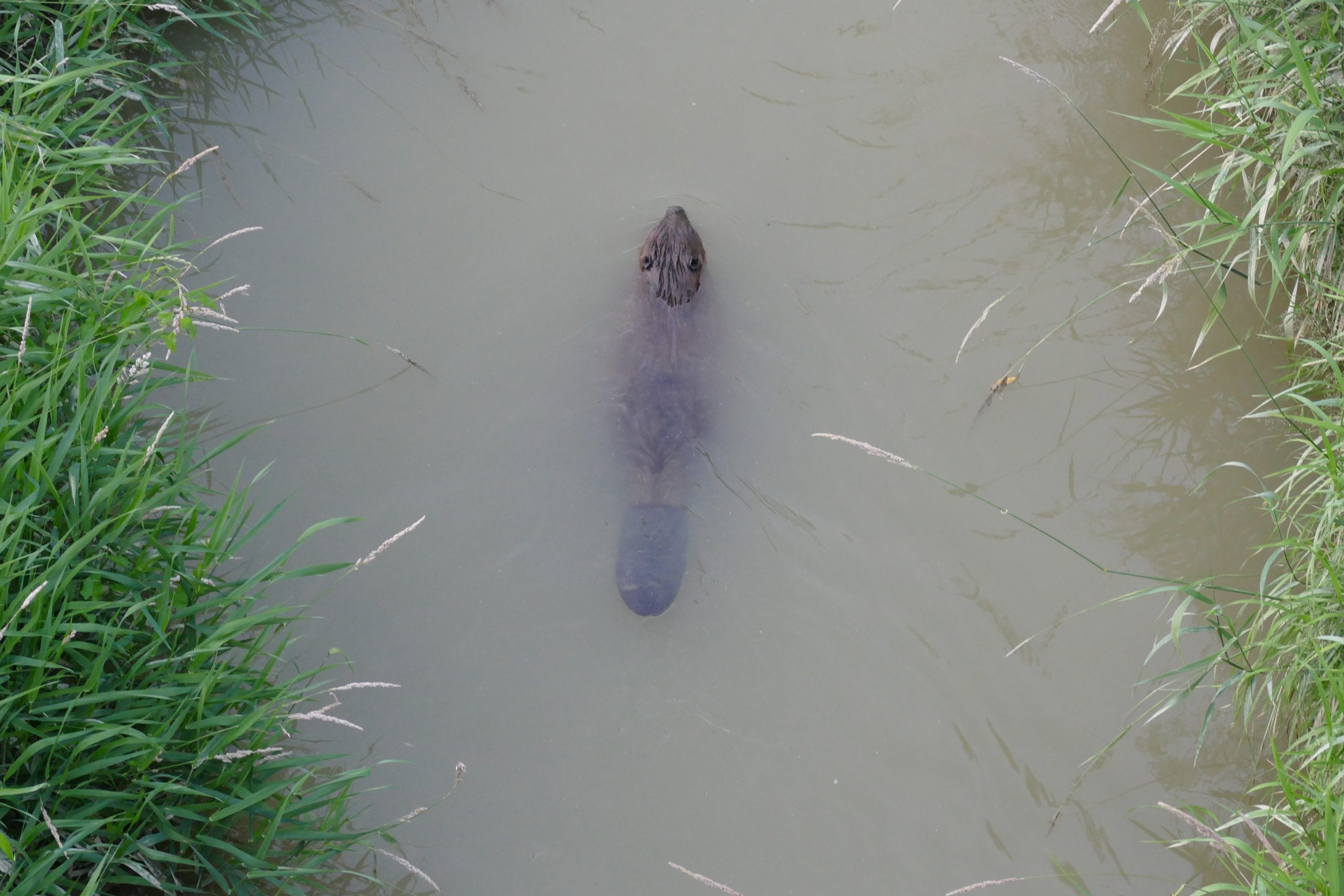
The Eurasian beaver (Castor fiber) is the largest rodent in Europe and one of the most fascinating residents of our rivers, streams, and wetlands. It is easily recognized by its sturdy body, dense brown fur, short legs, and especially its large, flat tail. Perfectly adapted to life in the water, it has webbed hind feet for swimming, while its tail helps with propulsion, steering, and storing fat reserves.
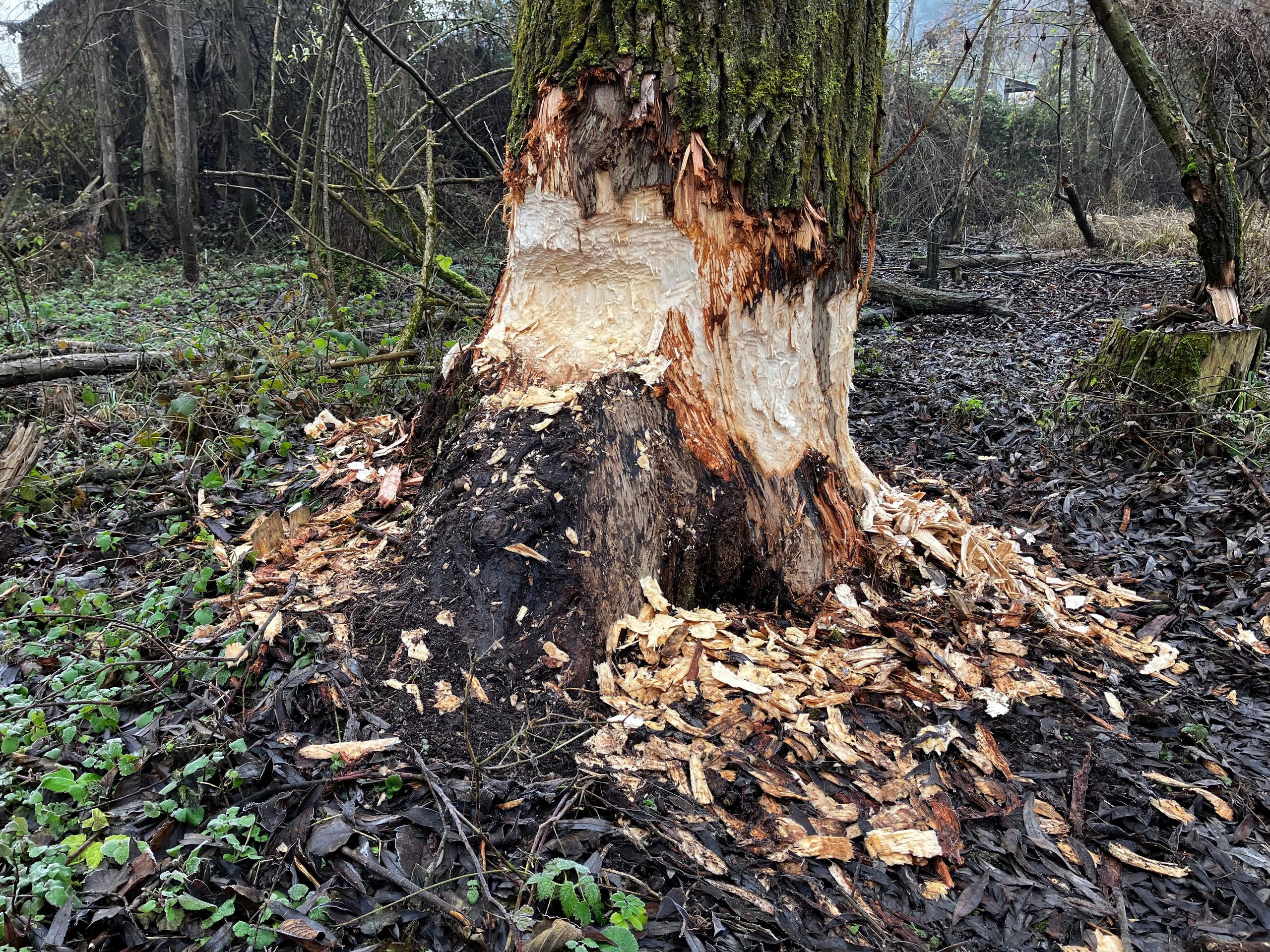
A beaver’s teeth never stop growing. To keep them at the right length, it must constantly gnaw wood. Its large incisors are a distinctive orange-red color due to their high iron content, which strengthens them. Beavers are excellent swimmers and can remain underwater for 10–15 minutes. When threatened, they warn other beavers with a loud slap of the tail on the water’s surface.
Ecosystem Engineer
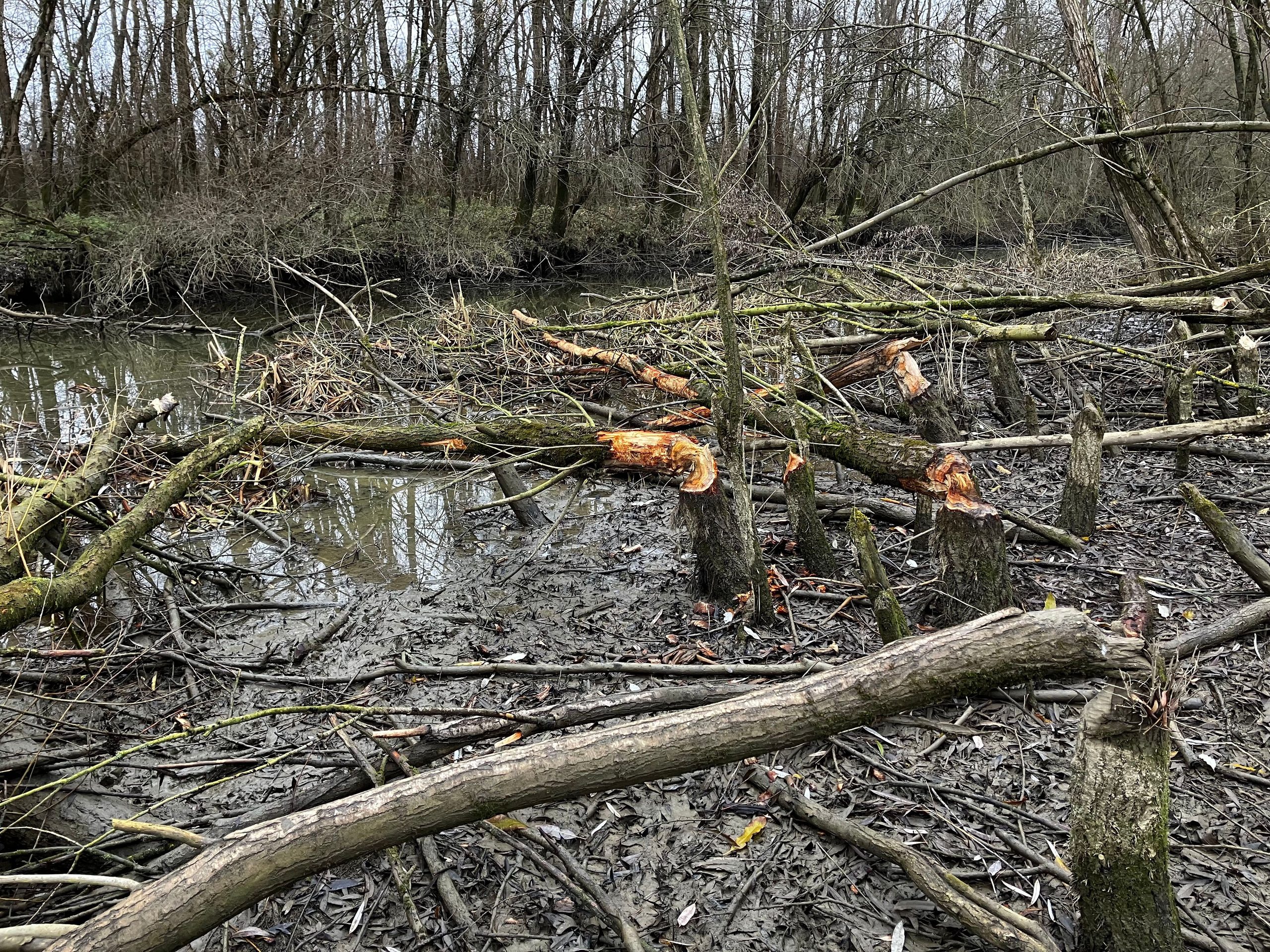
Beavers are not just inhabitants of rivers — they are their engineers. They fell trees and build dams from branches, logs, and mud. These structures slow the flow of water and create small ponds and wetlands. In turn, new habitats emerge for countless other species, from frogs, dragonflies, and fish to waterbirds. Although small compared to humans, beavers can significantly reshape their surroundings and increase biodiversity through their work.
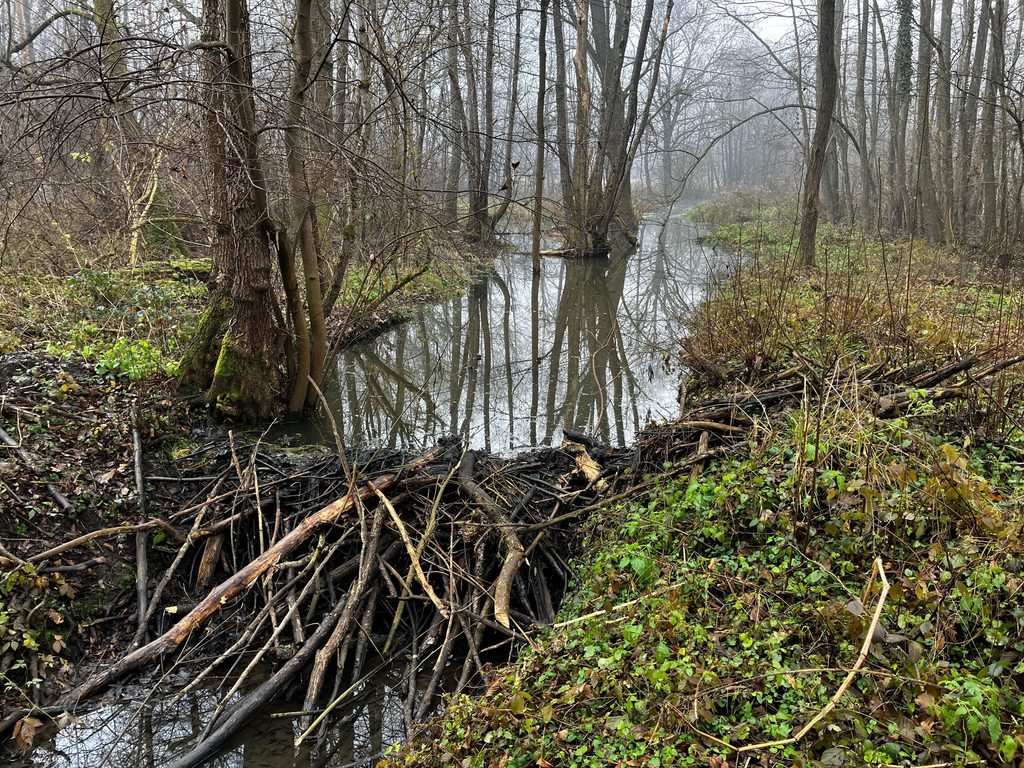
Photo: Robert Šiško
A Home Beneath the Waterline
Beavers build their homes along calmer stretches of rivers, streams, oxbow lakes, ponds, and other aquatic environments where food is abundant and banks are suitable. They may dig a burrow into the riverbank, with the entrance hidden below the waterline to protect against predators. Where conditions allow, they construct the iconic beaver lodge from branches, logs, and mud.
After more than a century of absence, the Eurasian beaver returned to Slovenia in the 1990s. Today, it can be found along major rivers and their tributaries, including the Krka, Kolpa, Sava, and Drava. The easiest way to detect its presence is by observing the signs it leaves behind — gnawed trunks, felled trees, beaver paths, and dams.
Threats
Although the Eurasian beaver has successfully recolonized many parts of Europe after a dramatic historical decline, it still faces numerous threats. These include habitat loss and alteration, removal of riparian vegetation, water pollution, and various interventions in watercourses. Conflicts with humans also occur, as beaver dams can sometimes flood agricultural land, paths, or infrastructure.
The beaver is therefore not just a resident of the river, but its quiet engineer — shaping the landscape and creating space for many other species to thrive.