ALIVE RIVER – Episode 9: The Eurasian Otter, Queen of the Riverbanks
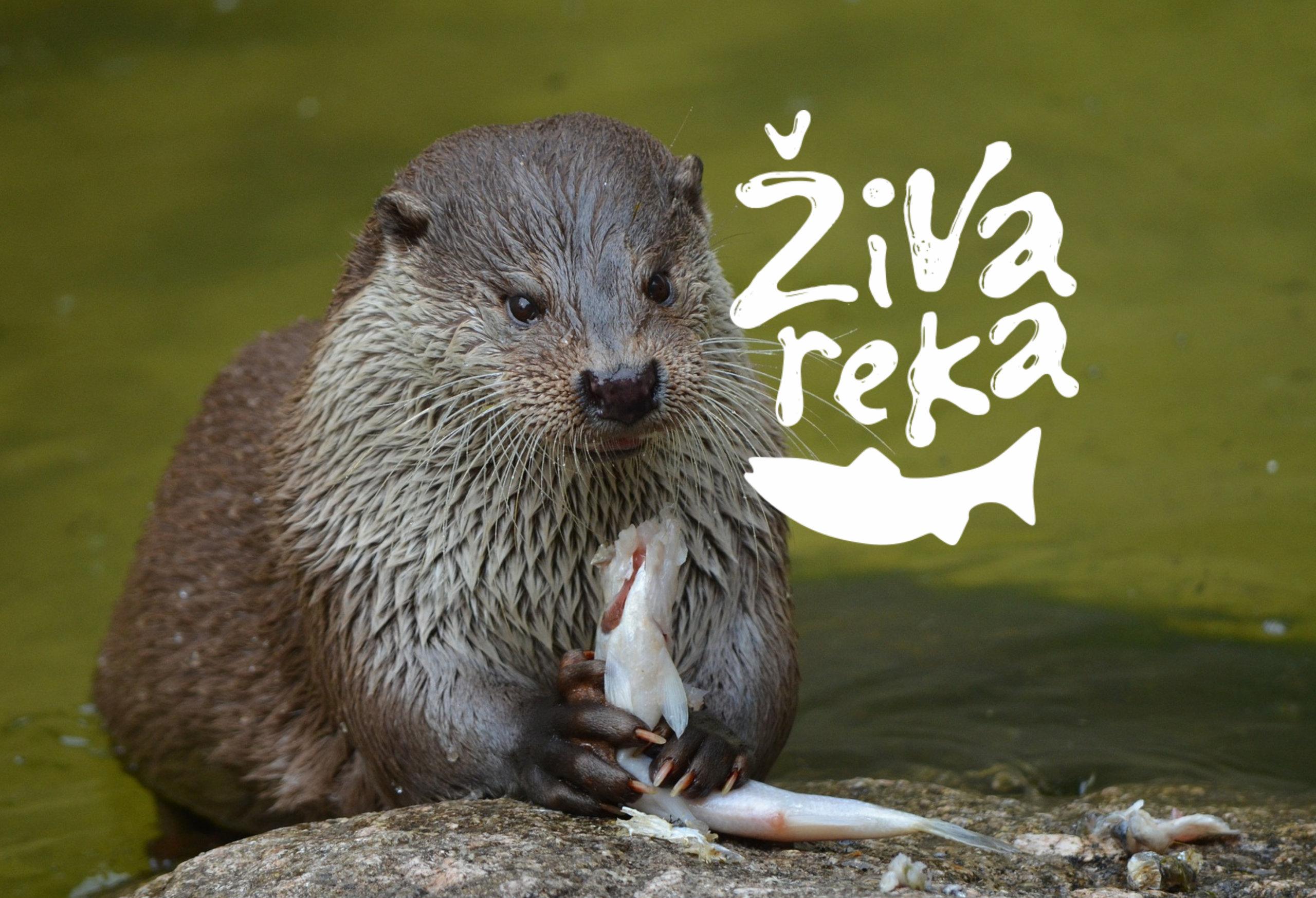
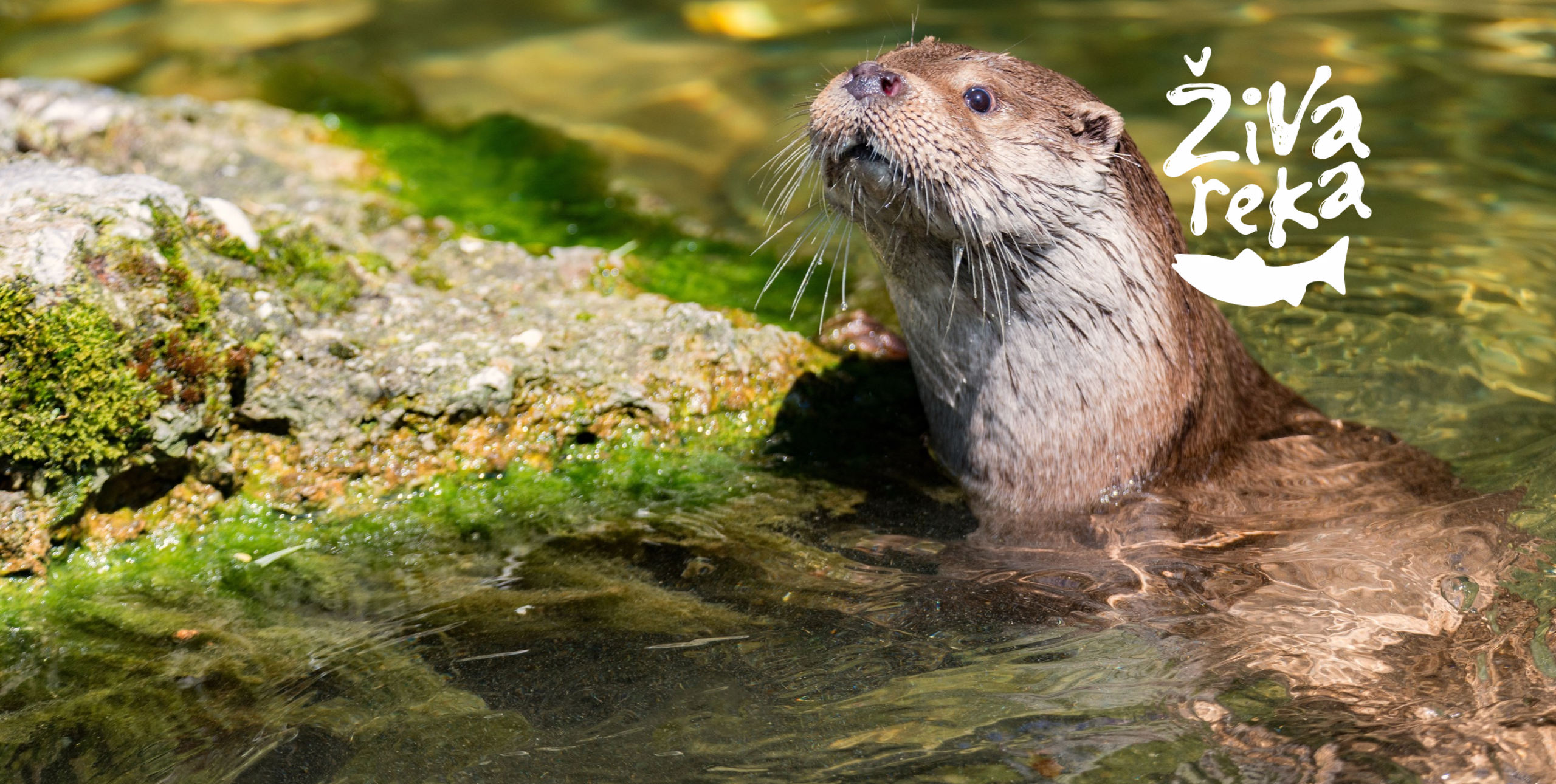
The Eurasian otter (Lutra lutra) is one of the most fascinating inhabitants of freshwater ecosystems. Although it often remains hidden from view, its impact on river ecosystems is remarkable. The otter is a symbol of vibrant, healthy rivers – rivers that still retain their natural dynamics, diverse habitats and the richness of life beneath the water’s surface.
Source: Projekt VIPava
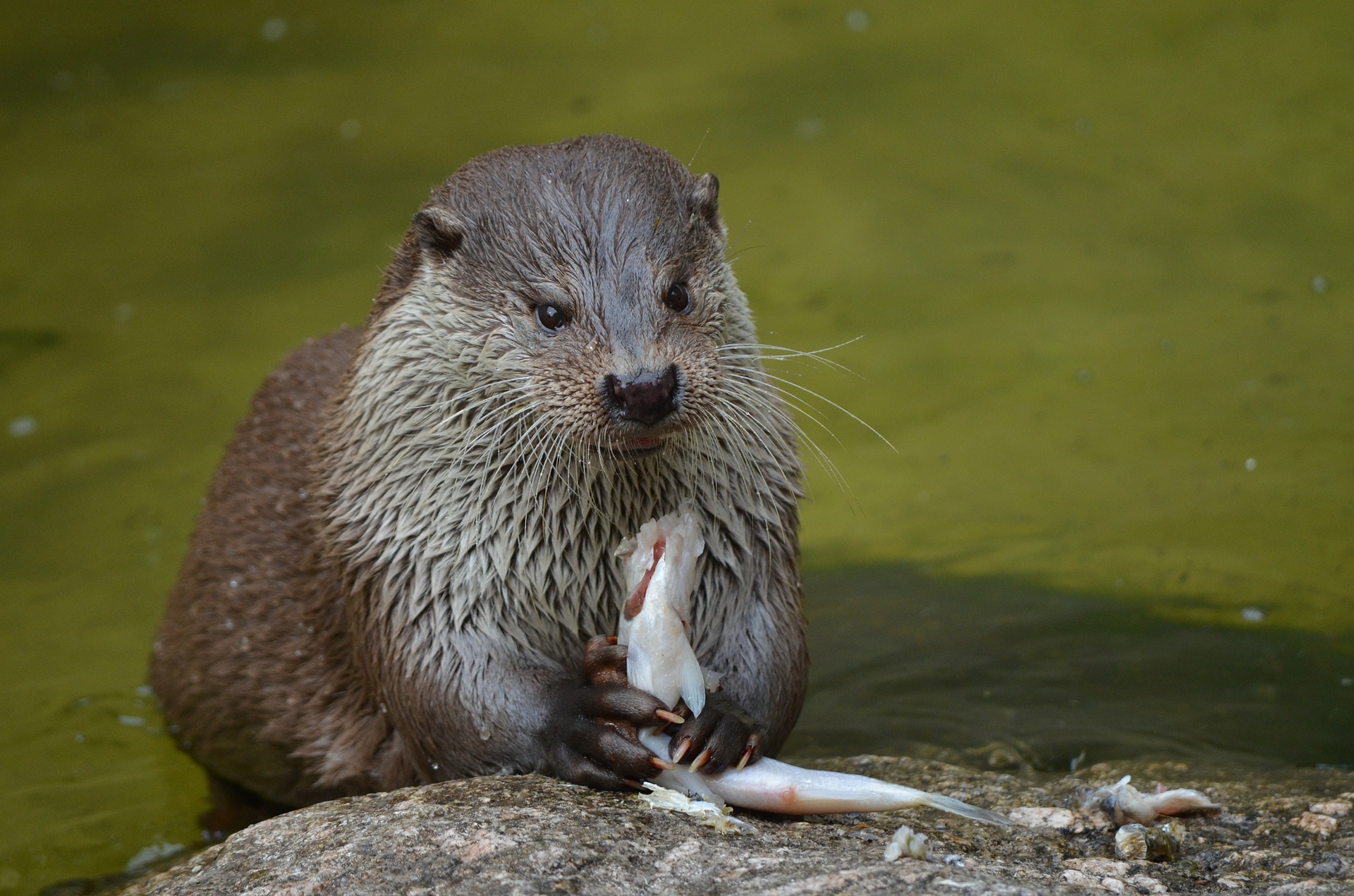
The otter is perfectly adapted to life in the water. Its body is elongated, muscular and remarkably agile, allowing it to move gracefully beneath the surface. Webbing between its toes acts like natural paddles, while its tail serves as a rudder, helping it steer with precision. As it dives, its body becomes a finely tuned hydrodynamic machine – silent, swift and precise. Otters have an excellent sense of hearing and smell, while their eyesight is adapted for seeing both on land and underwater.
The otter is perfectly adapted to life in the water. Its body is elongated, muscular and remarkably agile, allowing it to move gracefully beneath the surface. Webbing between its toes acts like natural paddles, while its long, muscular tail serves as a rudder. When diving, its ears and nostrils close tightly to keep water out. The otter has good eyesight, but its senses of hearing and smell are even more acute. In the dim light underwater, it also relies on its sensitive whiskers to help detect prey.
Its fur is warm and incredibly dense, with tens of thousands of hairs growing on a single square centimetre of skin (compared to a maximum of around 300 in humans). This exceptionally thick coat allows the otter to swim and hunt even in winter, when many other animals retreat to dry land.
A Skilled Hunter
The otter is an opportunistic hunter. Fish are its favourite prey, but it also feeds on crayfish, aquatic insects, amphibians and even small mammals. Its diet depends on prey availability, allowing it to adapt quickly to changing environmental conditions. The otter is an exceptionally skilled hunter. It can hold its breath underwater for up to four minutes, while its agile body allows it to pursue prey swiftly through aquatic vegetation, among rocks and around submerged roots.
The otter is primarily nocturnal. During the day, it rests in dens hidden among tree roots, beneath dense vegetation or in abandoned burrows. These resting places are carefully chosen: they must be close to water yet well concealed, providing protection from predators and human disturbance.
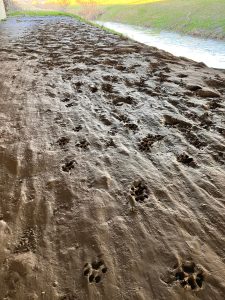
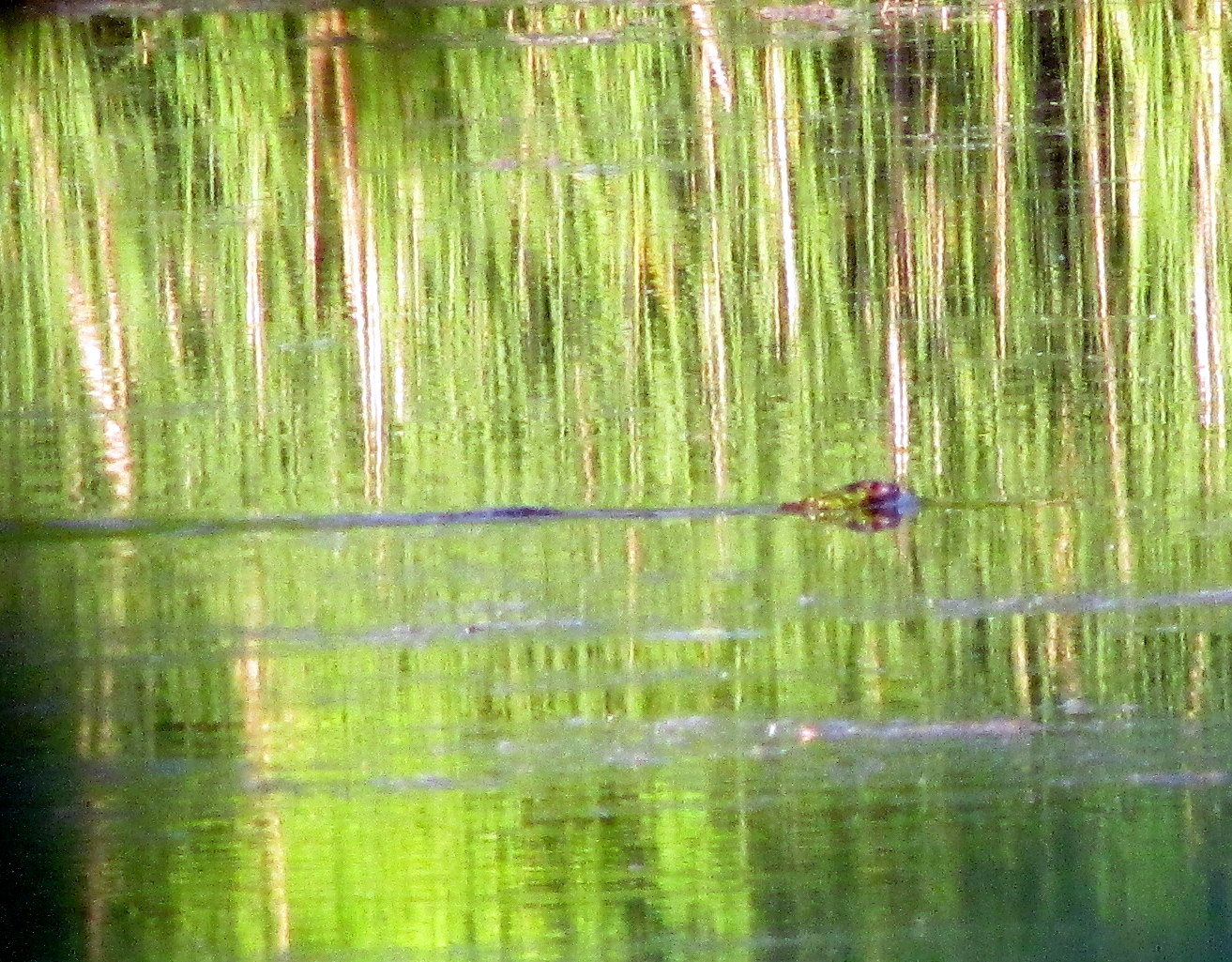
Photo: Robert Šiško
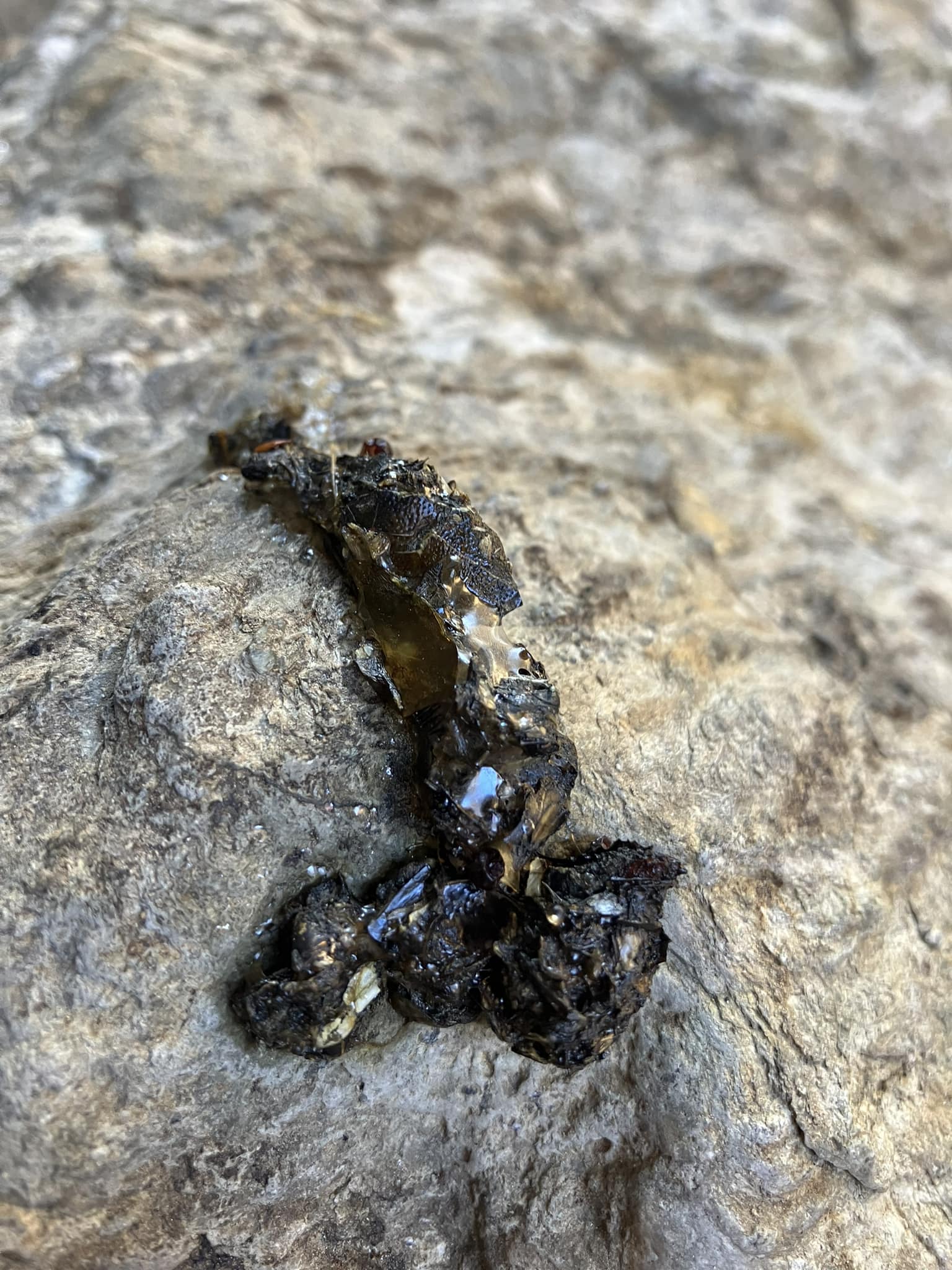
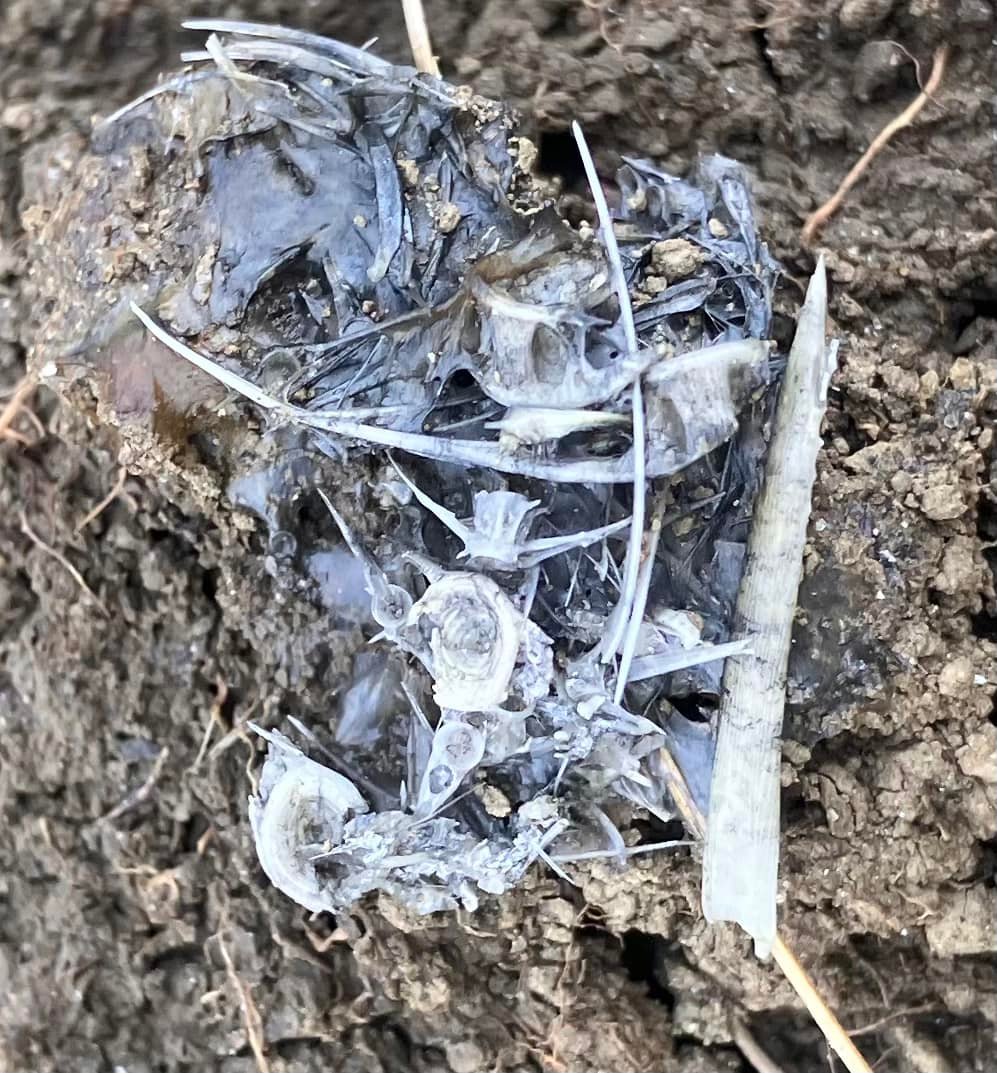
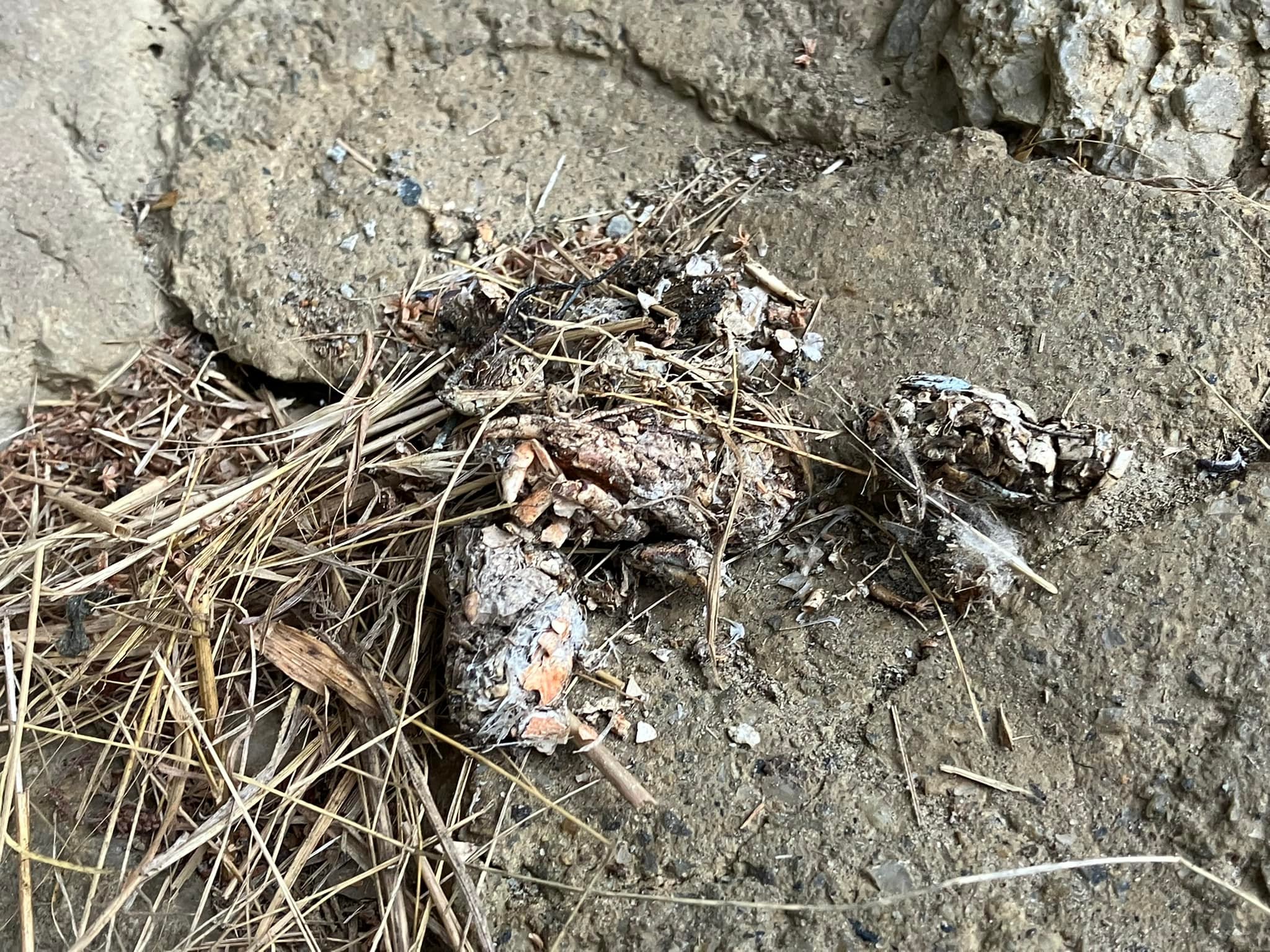
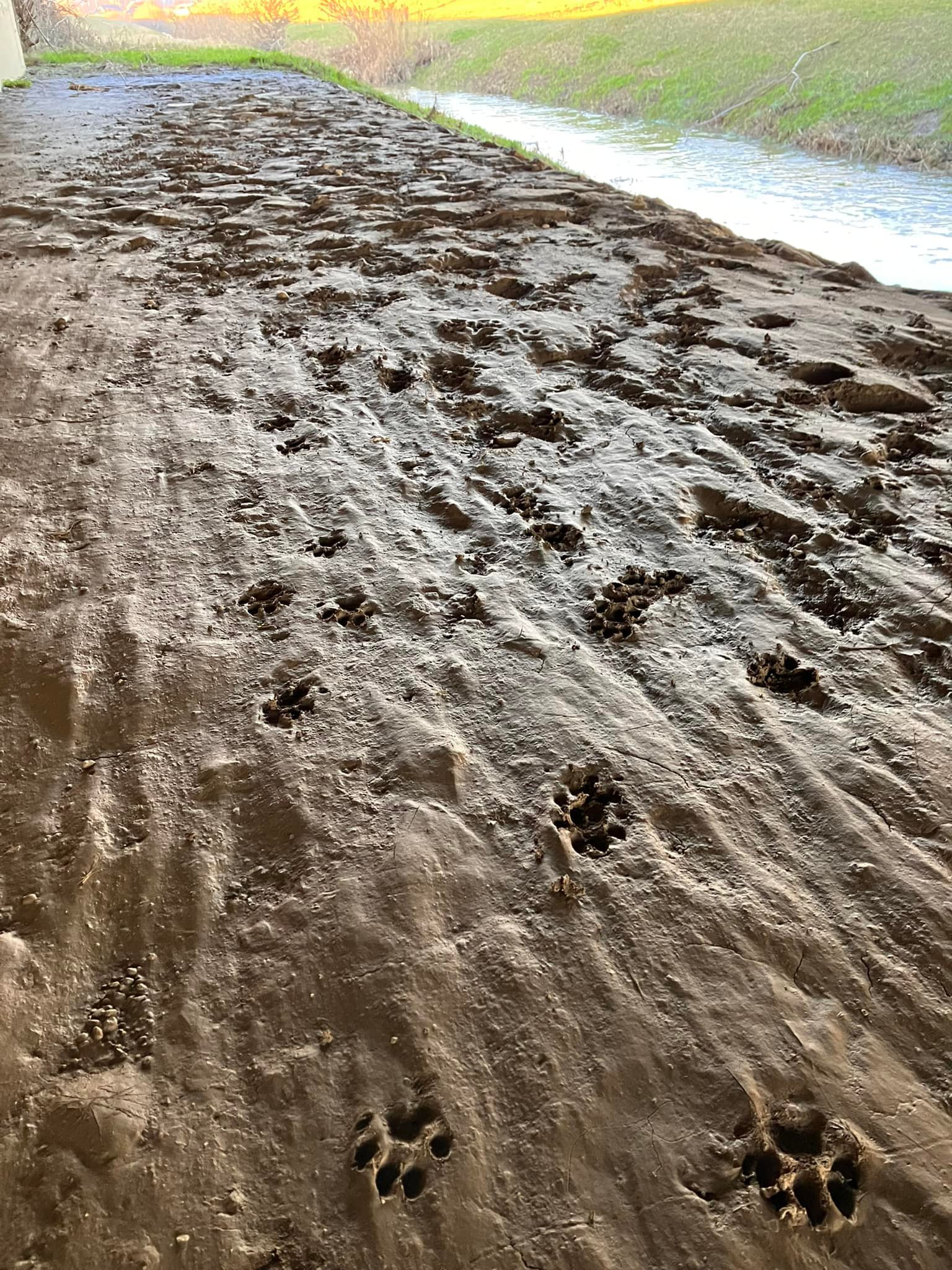
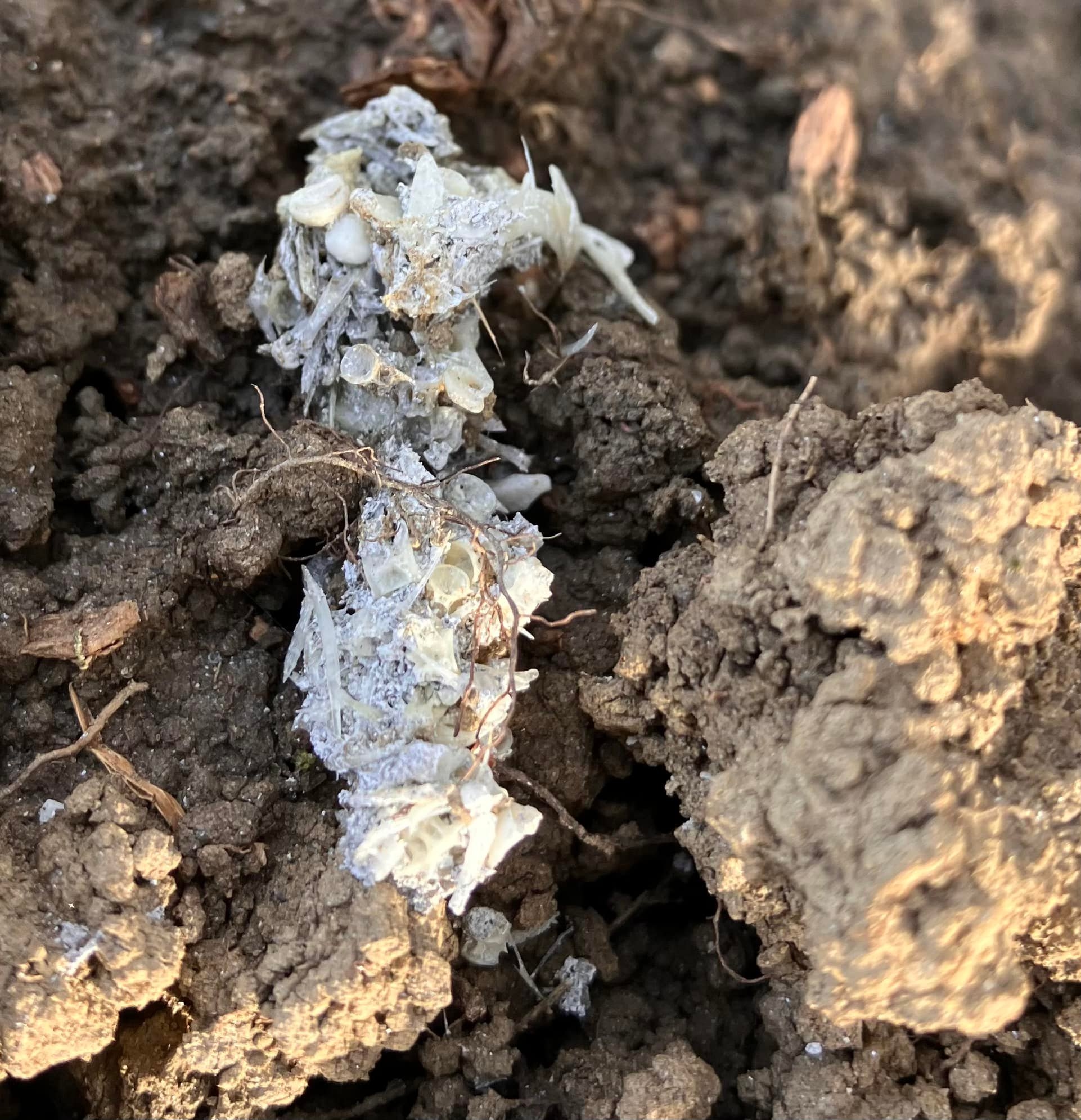
The otter is not easy to spot in the wild. It is cautious and mostly active at night or during twilight, which means it can remain hidden even in areas where it is regularly present. If you want to find signs of an otter, it is often easier to look for traces of its activity than for the animal itself. It marks its territory with distinctive droppings, known as spraints, which have a characteristic fish-oil smell.
Female otters care for their young for several months. The cubs are born blind and completely dependent on their mother. They only learn to swim at around two months of age, with the mother patiently guiding, encouraging and protecting them. The otter’s family life is filled with tenderness, but also with important lessons that prepare the young for an independent life in the ever-changing river environment.
In the past, the Eurasian otter was heavily threatened due to its valuable, exceptionally dense fur. Hunting, combined with the loss of suitable habitats, led to a significant decline in otter populations. Today, the species is protected and is classified as vulnerable in Slovenia. However, it continues to face several threats, including river regulation, the removal of riverside vegetation, pollution, conflicts with fisheries and road traffic.
Why is the otter essential for healthy rivers?
The otter is a top predator in freshwater ecosystems, playing an ecological role comparable to that of large carnivores on land. It requires extensive areas of well-preserved habitat to survive, which means that protecting the otter also helps safeguard the many other species that form the lower levels of the food chain.
The otter is also a valuable indicator of the condition of river habitats. It needs an abundant food supply, undisturbed natural riverbanks and well-developed riverside vegetation. Its presence is therefore a positive sign, but not necessarily a guarantee of clean water, as otters can also survive in some heavily impacted waterways.
The otter is the face of living rivers – a symbol of natural river dynamics, well-preserved riverbanks and the close connection between the terrestrial and aquatic worlds.
Sources:https://www.lovska-zveza.si/prostozivece-zivali/sesalci/vidra/; https://www.projektvipava.si/page/vidra/; M.H. Adamič. 2003. Strokovna izhodišča za vzpostavljanje omrežja Natura 2000 – VIDRA (Lutra lutra). Končno poročilo;Gregorc T. (2023):Vidra in bober, skrivnostna prebivalca reke Drave in njenih pritokov.Proteus 85(6–9): 334–345, Hönigsfeld Adamič M. (2011):Vidra med nebom in zemljo.Svet ptic 17(1): 22–23.