Restoration of the Pšata river: a two-day professional workshop
The Pšata is an example of a river that for decades was treated primarily as an infrastructure problem—through regulation works, channel deepening, and restricting the space available to the water. Today, however, it is becoming increasingly clear that this very approach is part of the reason why floods are more destructive, droughts more severe, and natural processes degraded. The LIFE2RIVERS project therefore raises the question of how to restore the Pšata as a functioning river system—gradually, thoughtfully, and in cooperation with the local community.
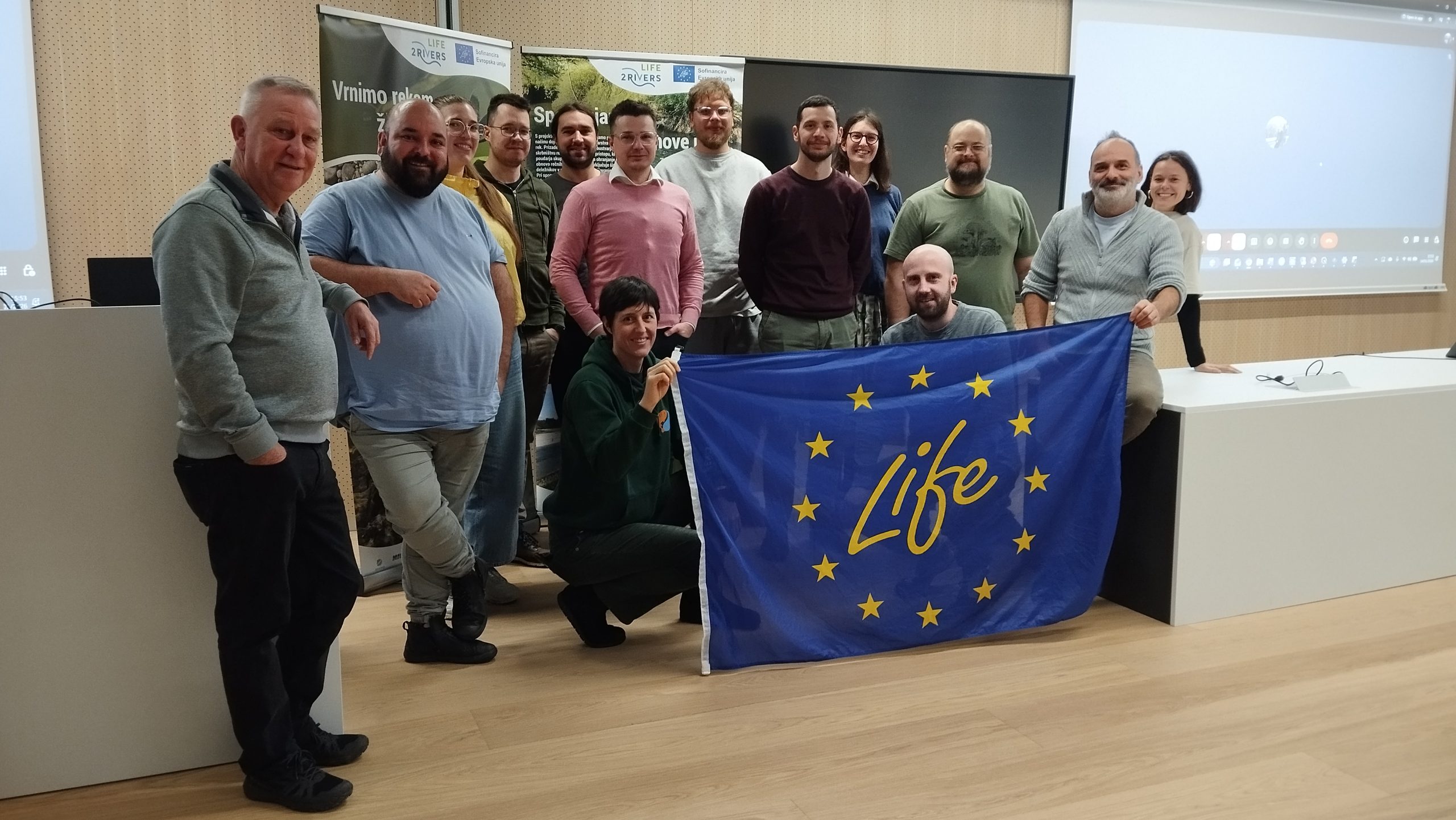
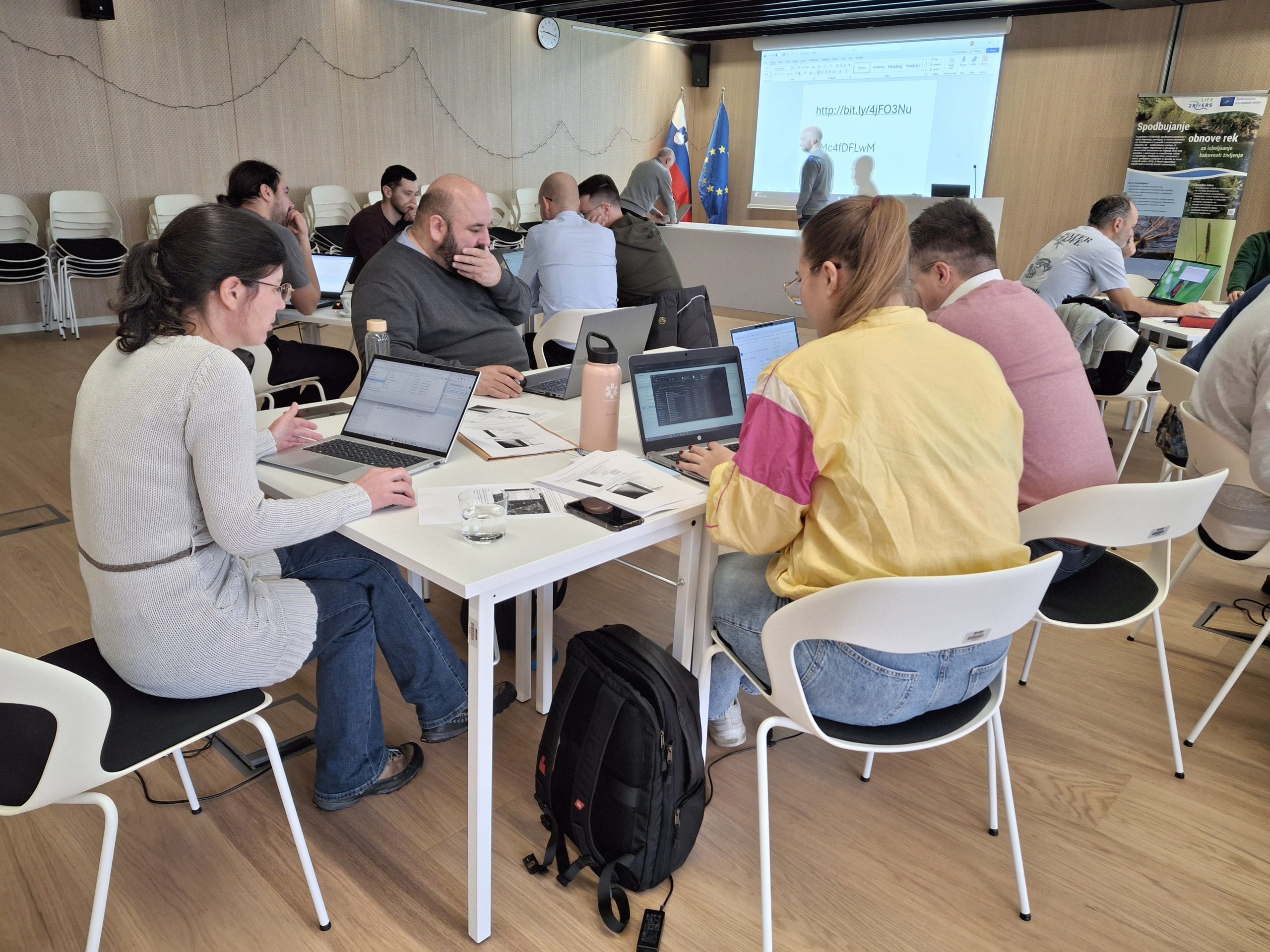
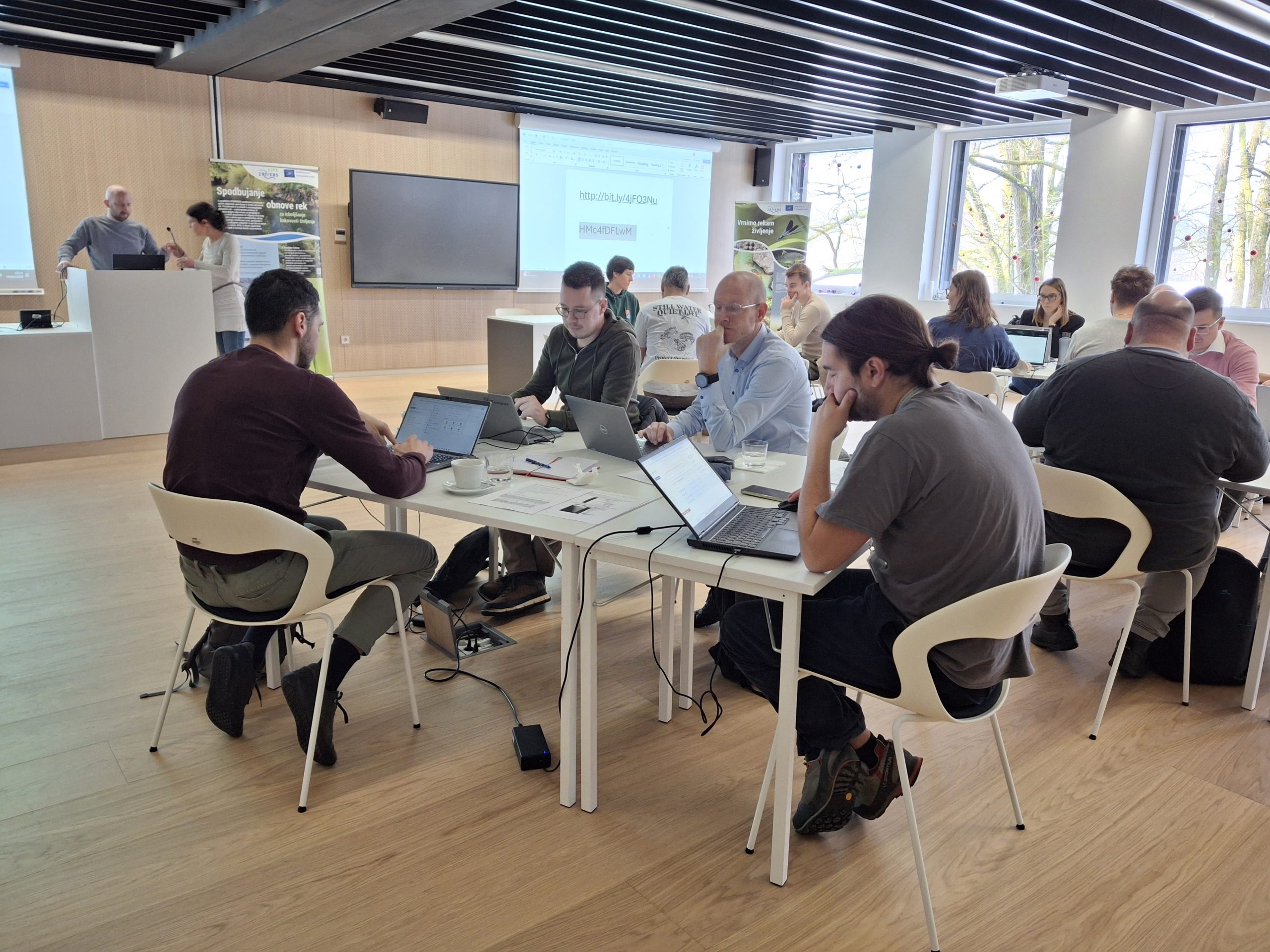
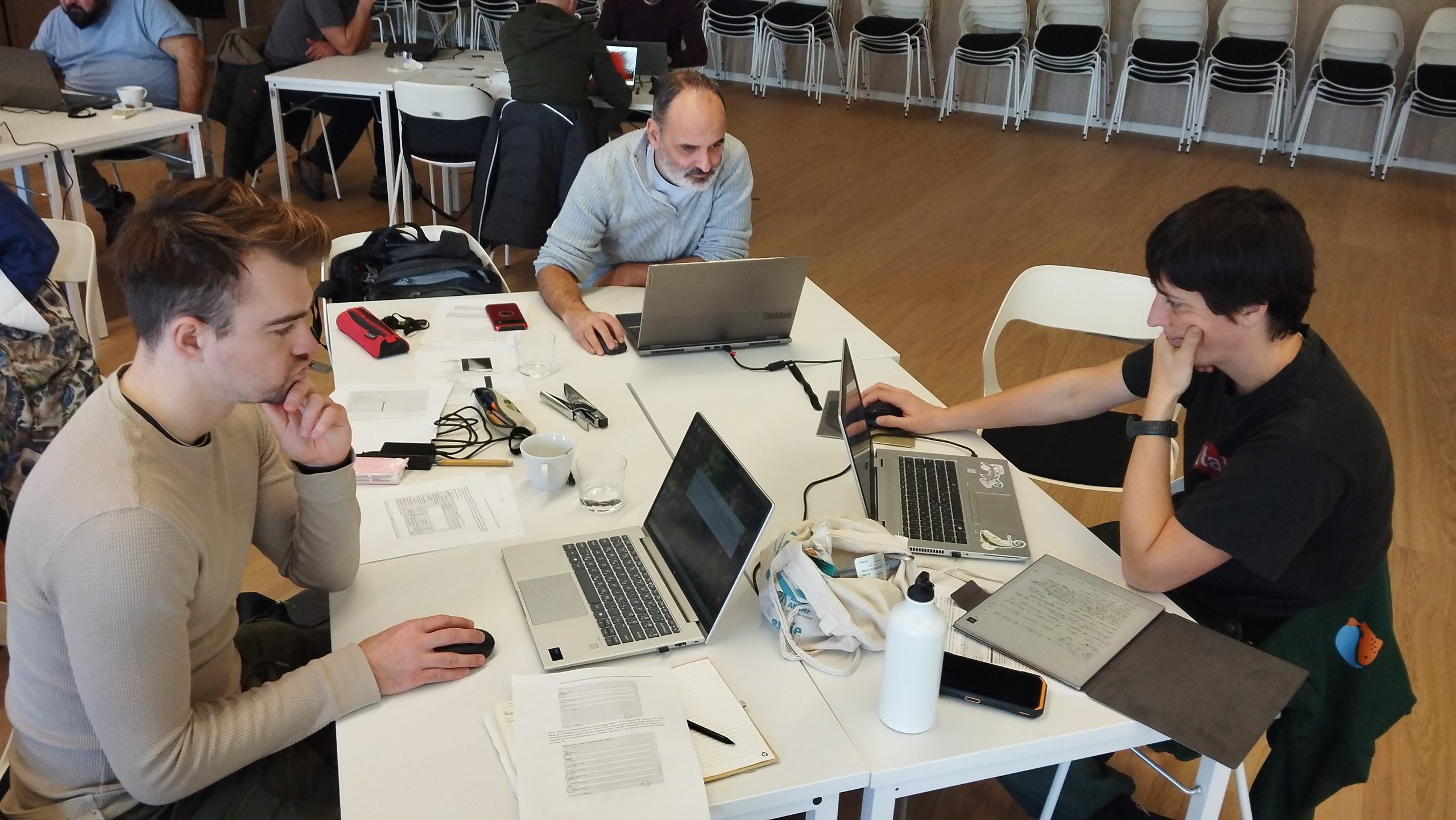
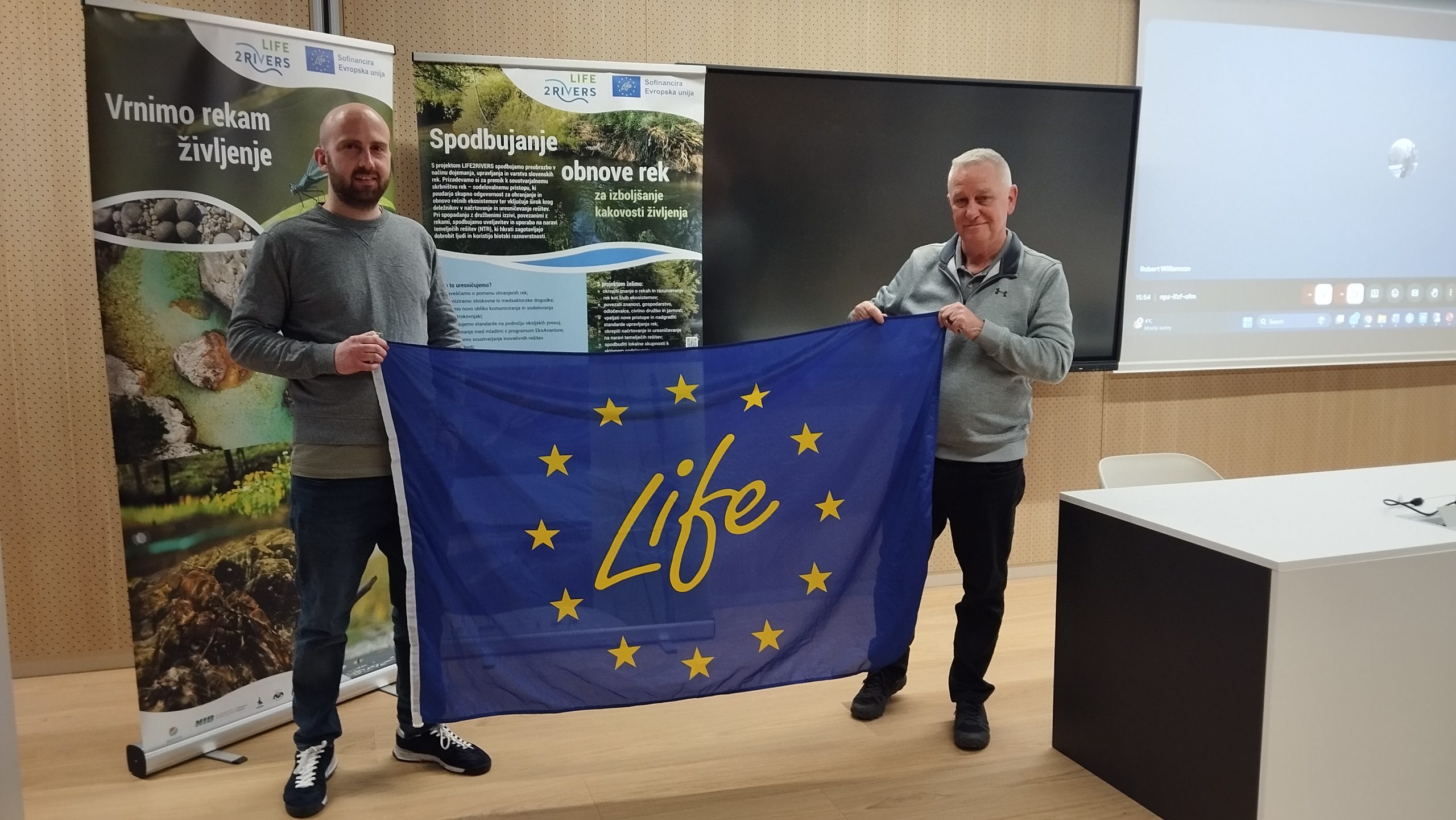
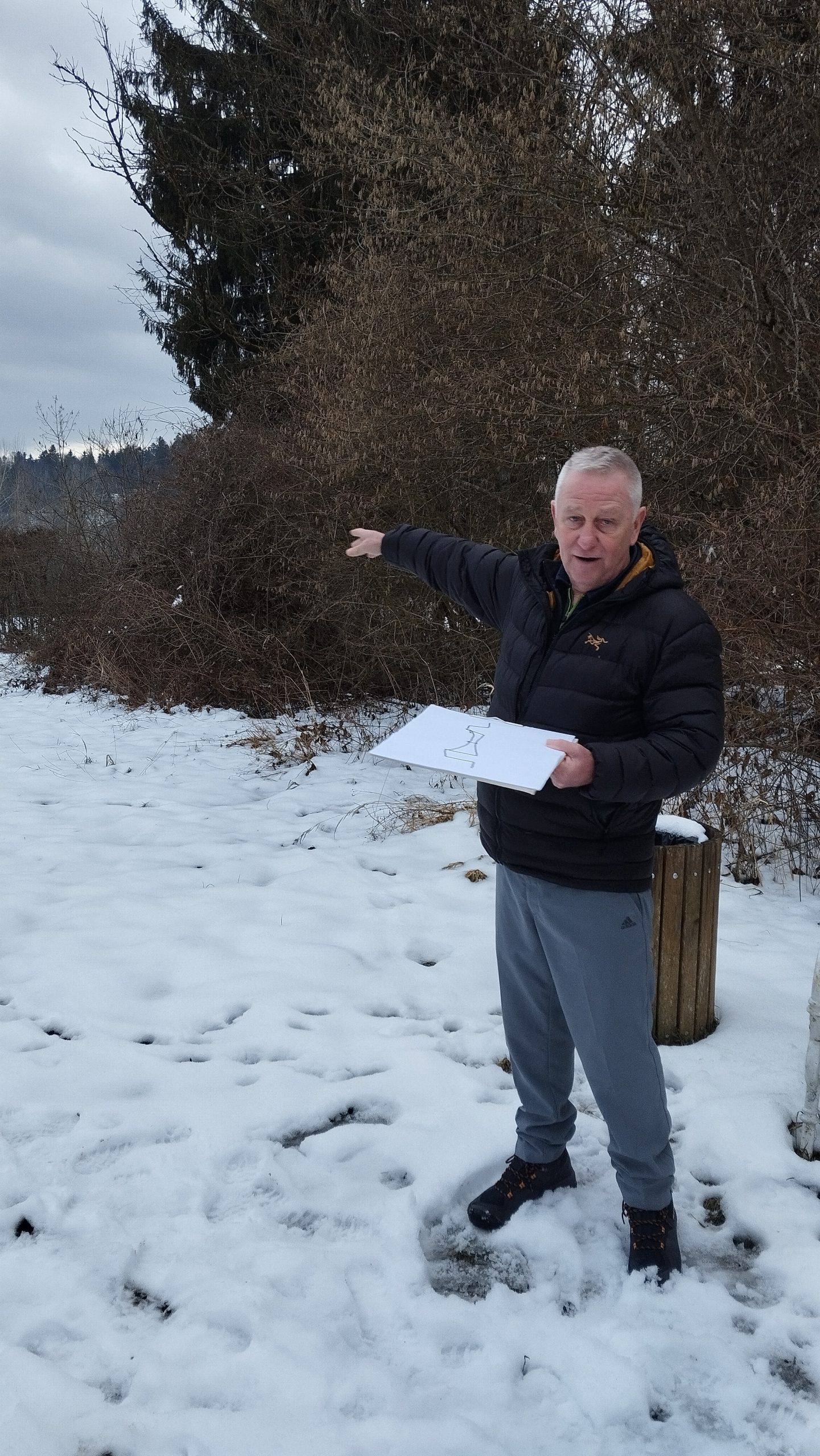
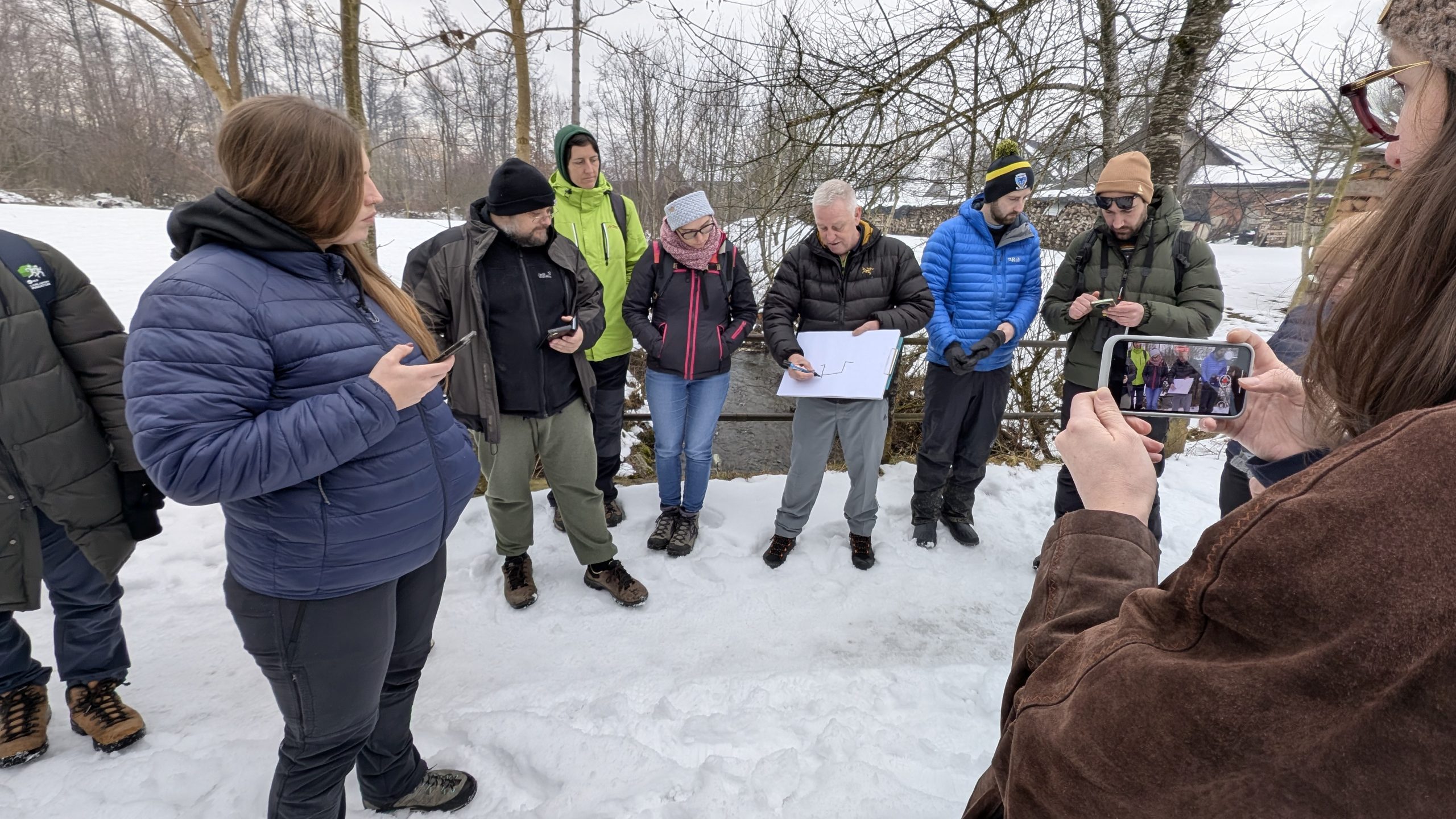
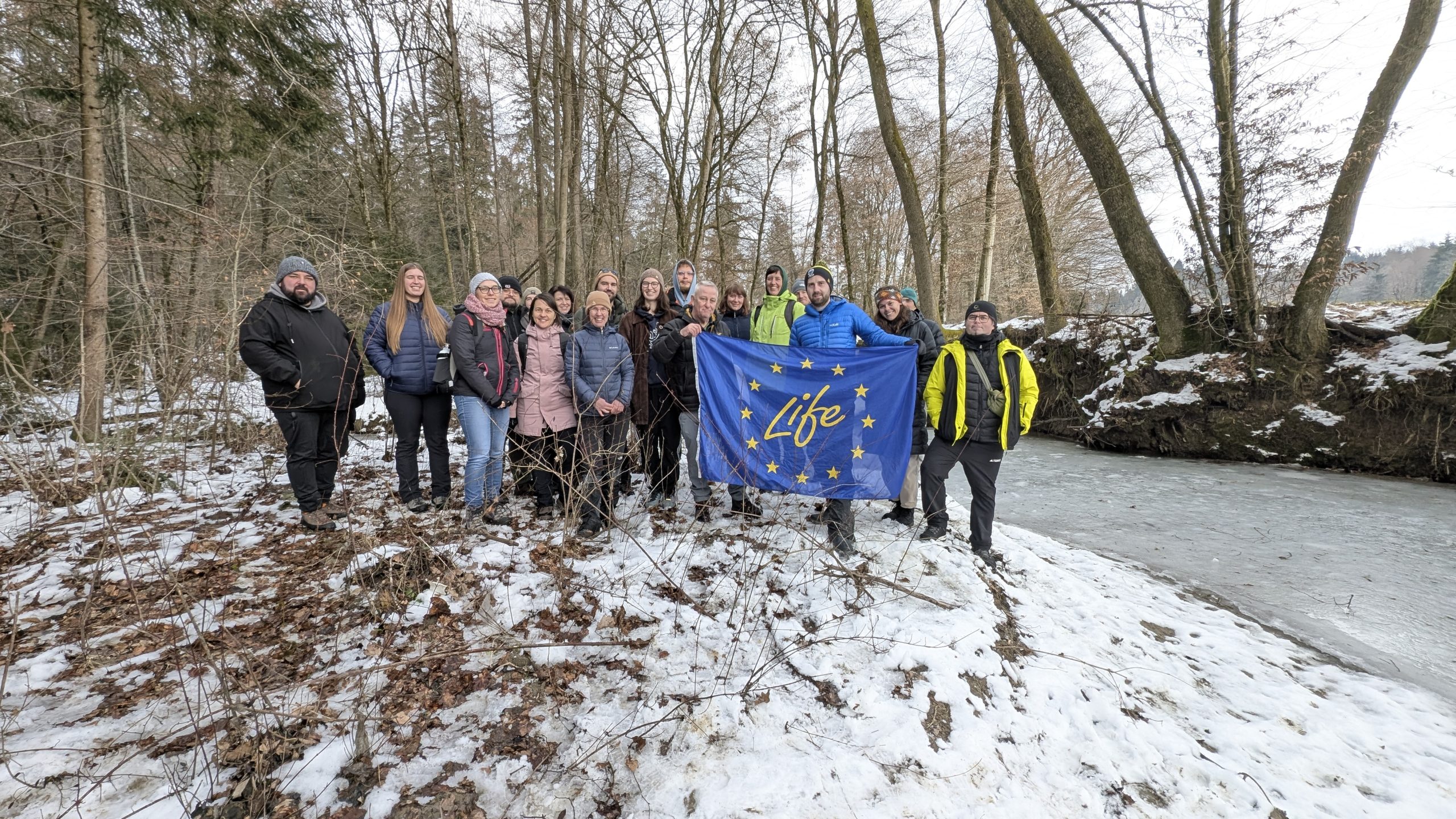
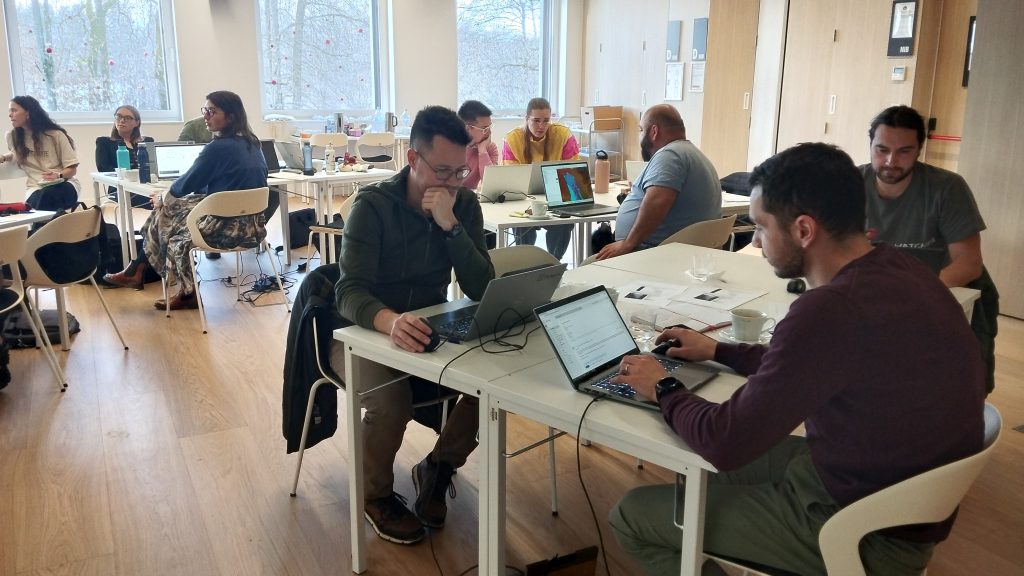 Between 13 and 15 January, as part of the project we hosted two British experts, Dr George Heritage and Dr Rob Williamson from the company Dynamic Rivers, who together bring more than forty years of experience and over 50 river restoration projects carried out across the United Kingdom. Under their mentorship, a professional workshop was held focusing on exploring options for the restoration of the Pšata.
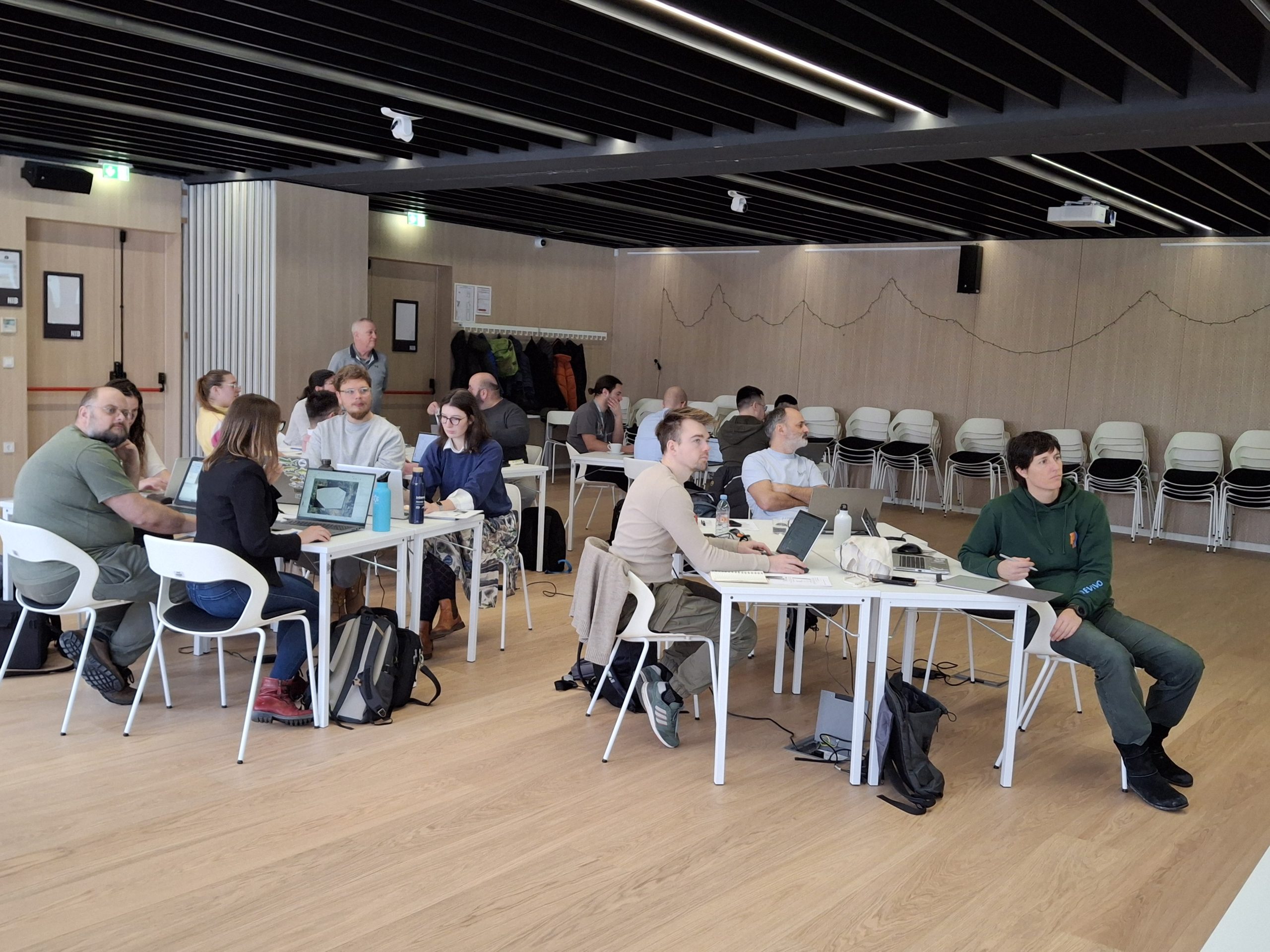
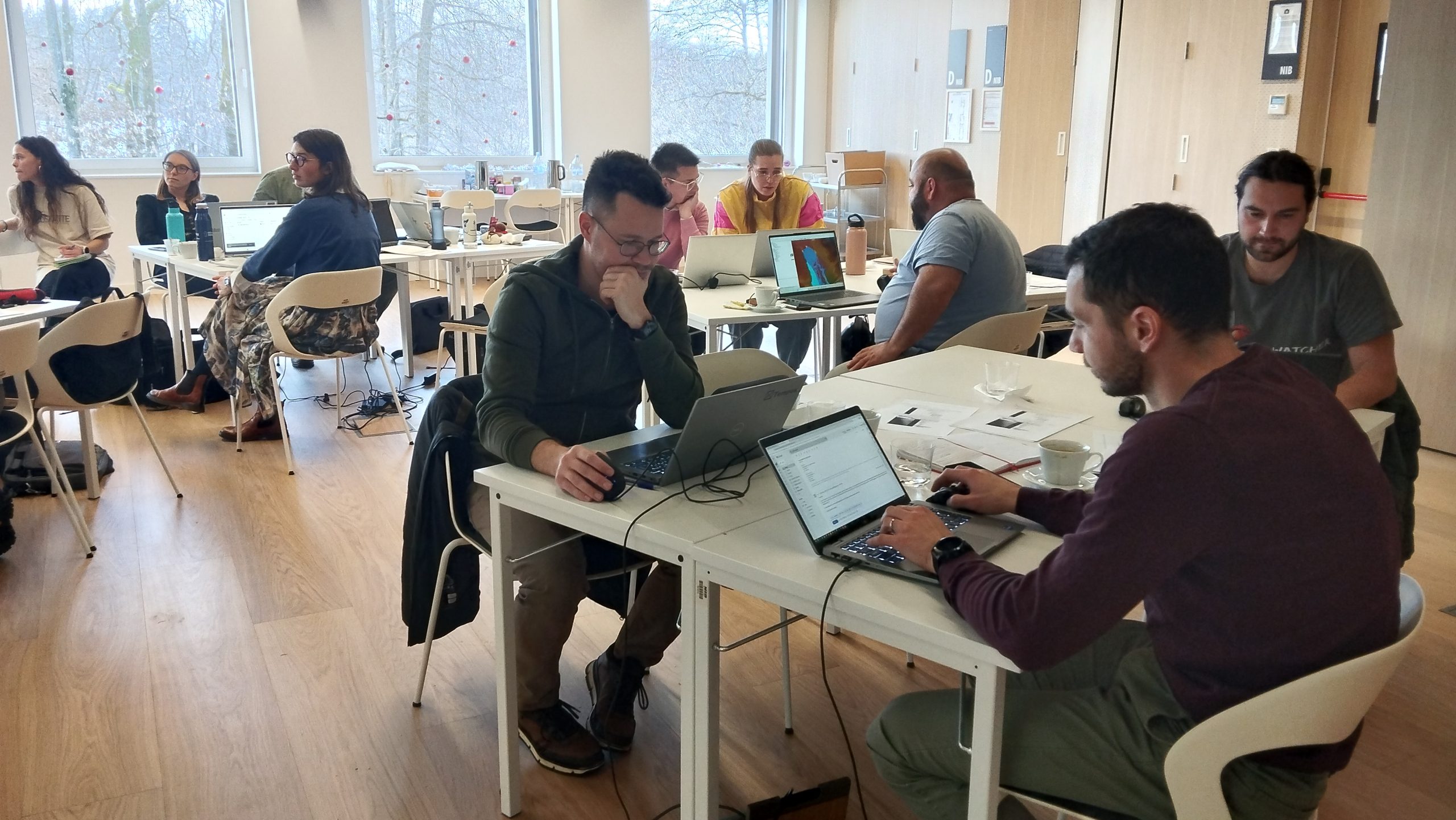
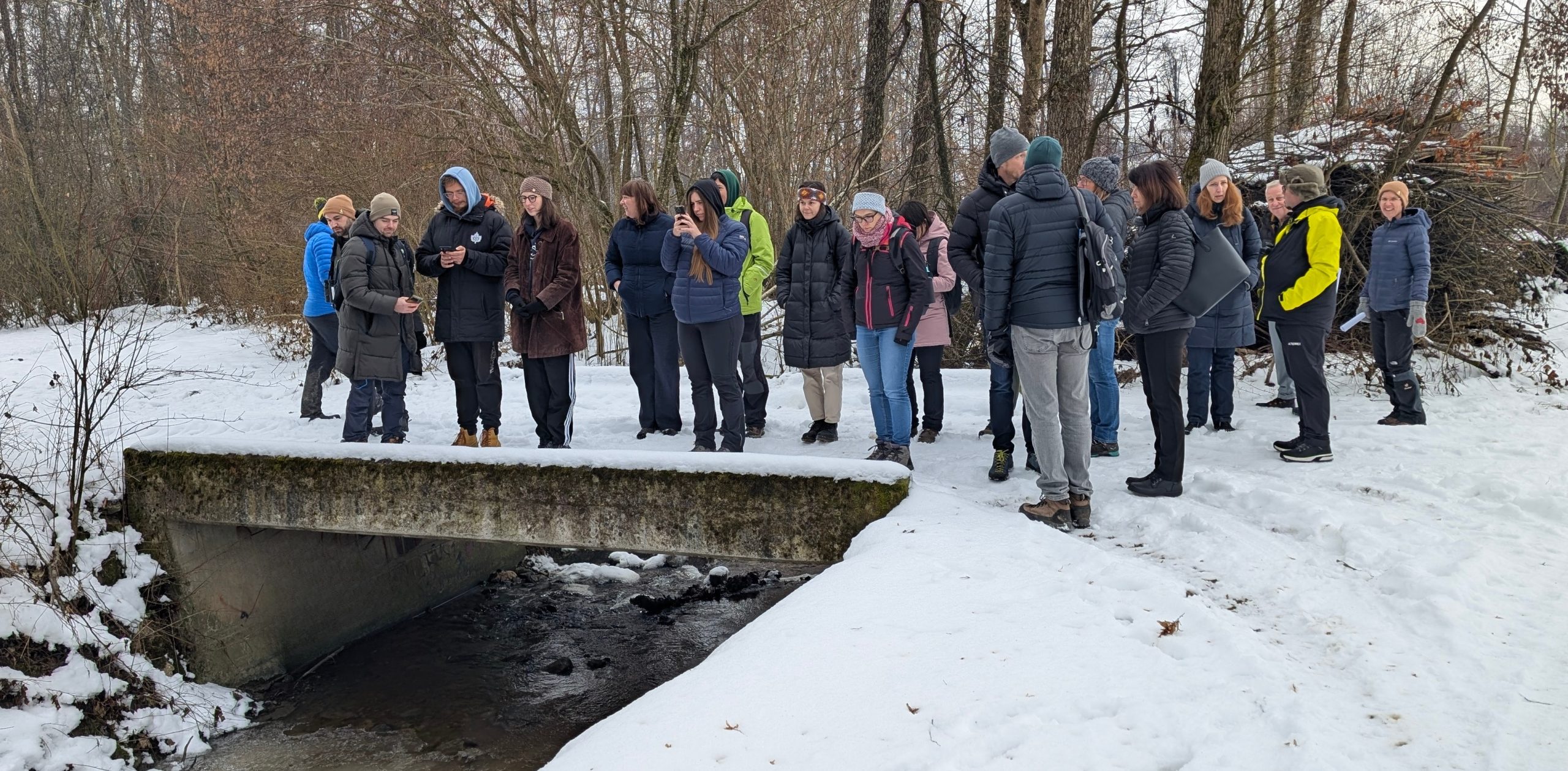
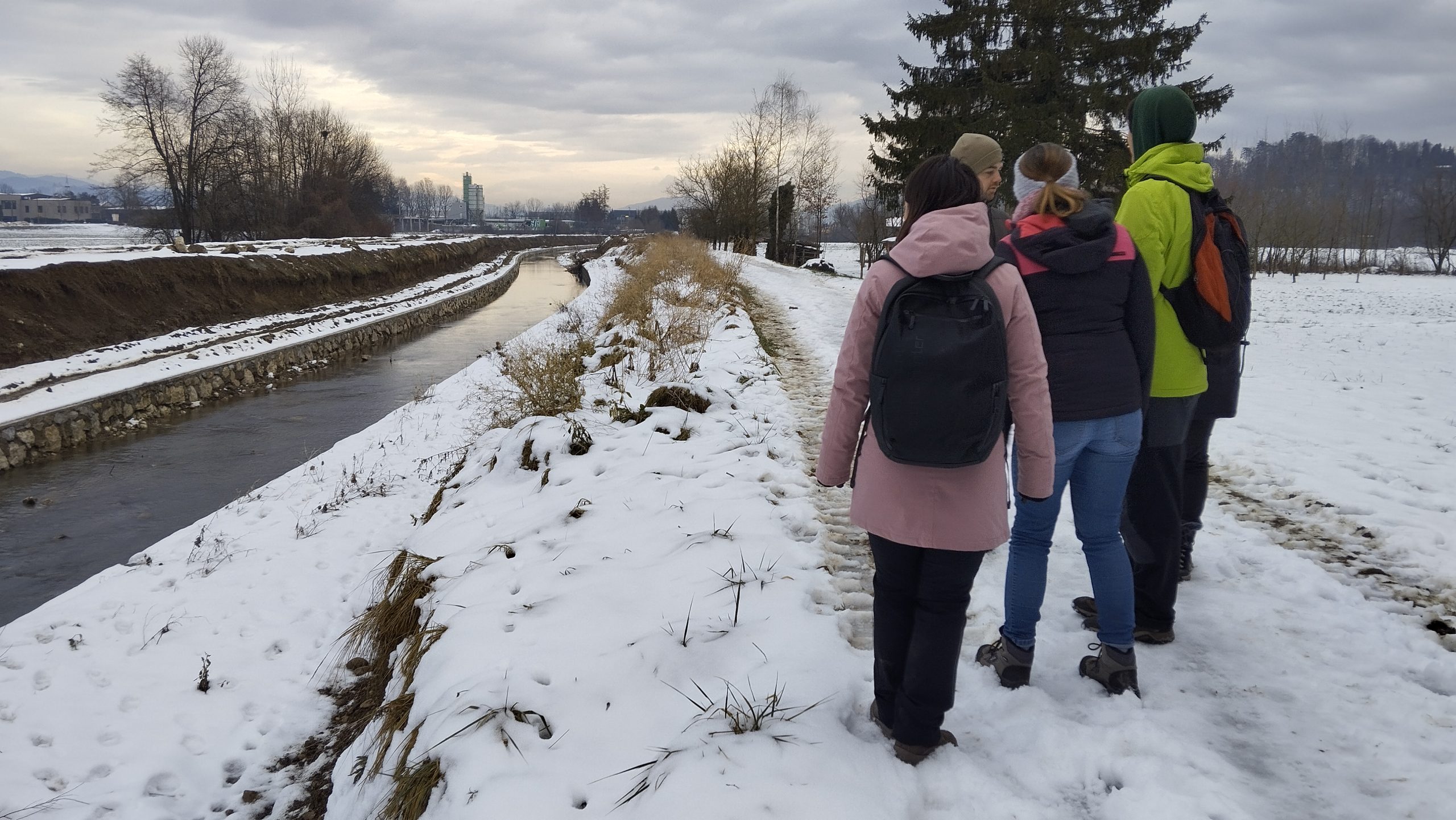
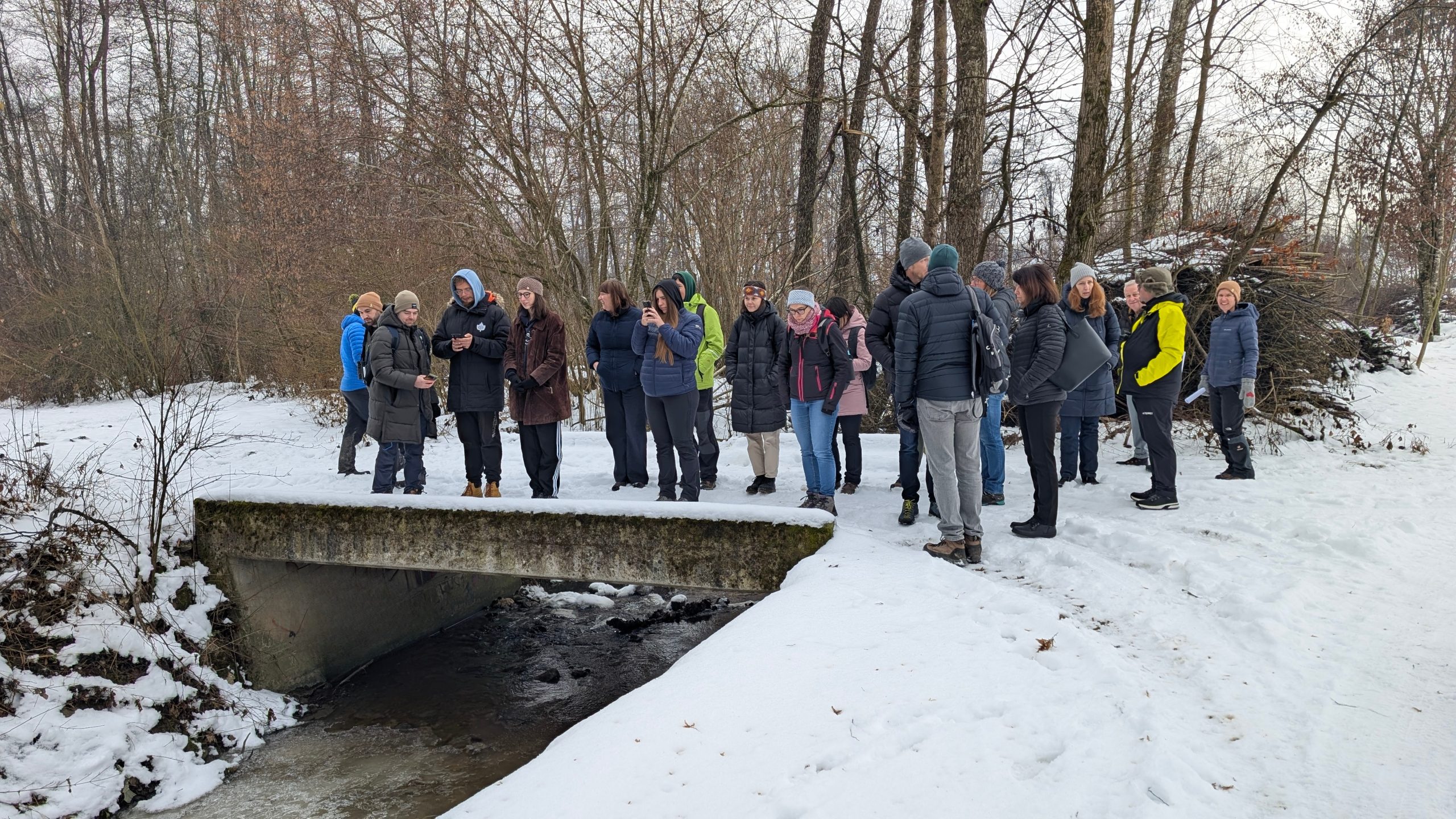
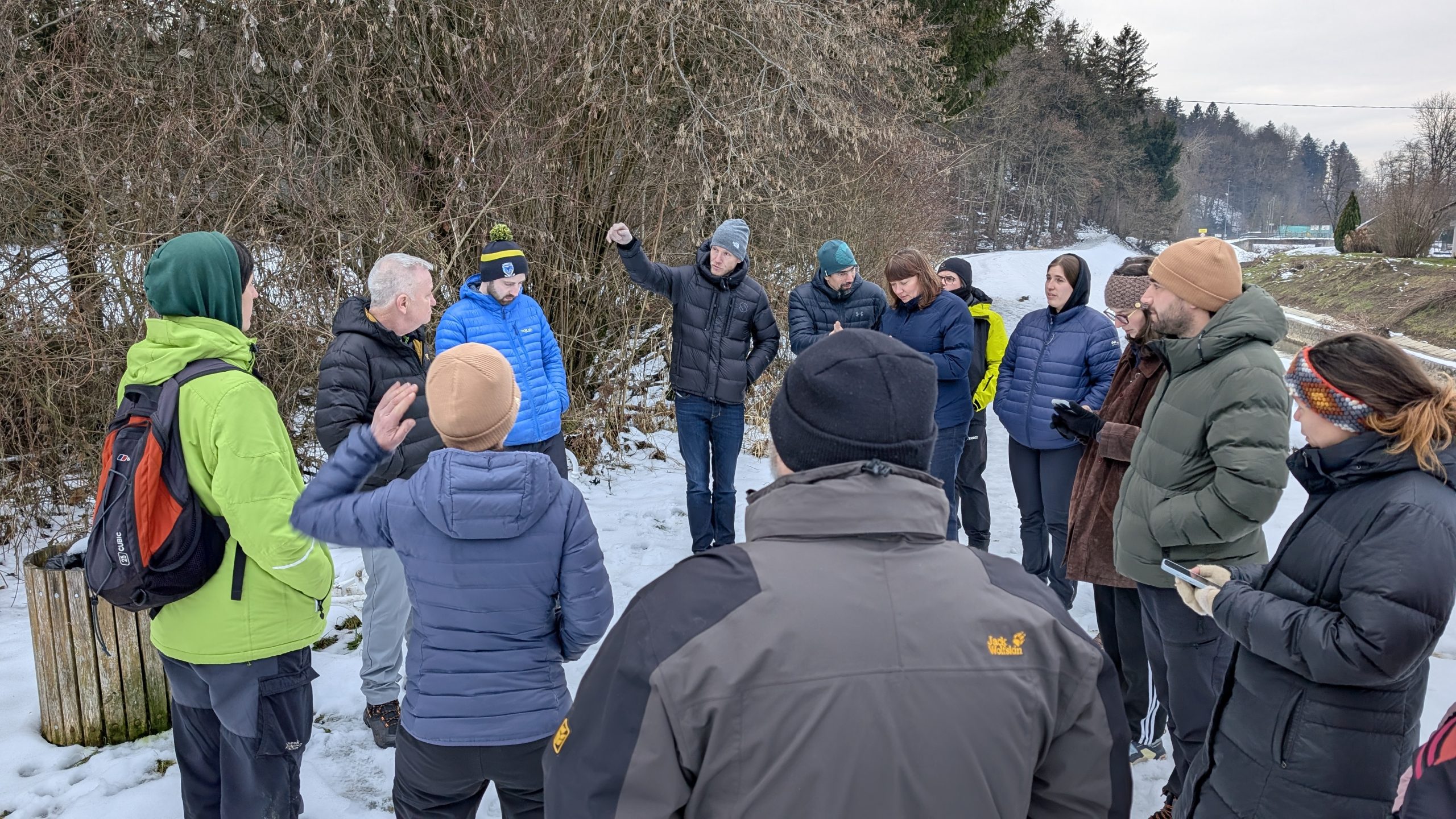
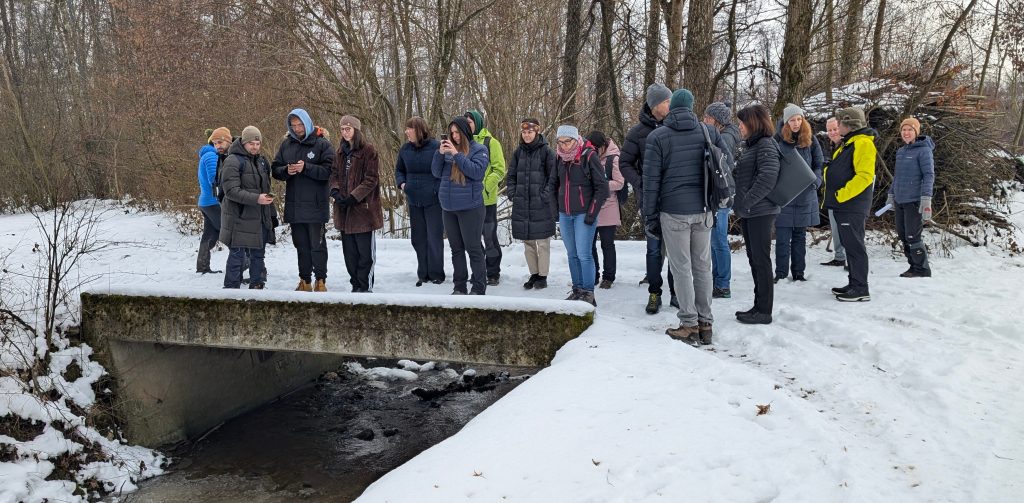
On the first day, participants used models to examine how the Pšata responds to different intervention scenarios. On the second day, these findings were verified directly in the field, where we collectively analyzed regulated sections, tributaries, and the rare remaining examples of functioning natural processes. The workshop brought together representatives of the LIFE2RIVERS project partners, as well as members from the Slovenian Water Agency (DRSV), the Institute for Water of the Republic of Slovenia (IzVRS), the institute for fauna and flora mapping (Center za kartografijo favne in flore – CKFF), the “LiVe reke Pesnice” group, and environemntal engineers from the company Tempos, enabling direct discussion across different fields of expertise.
“The state of the river is poor – but the opportunities are surprisingly abundant.”
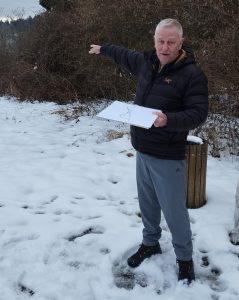
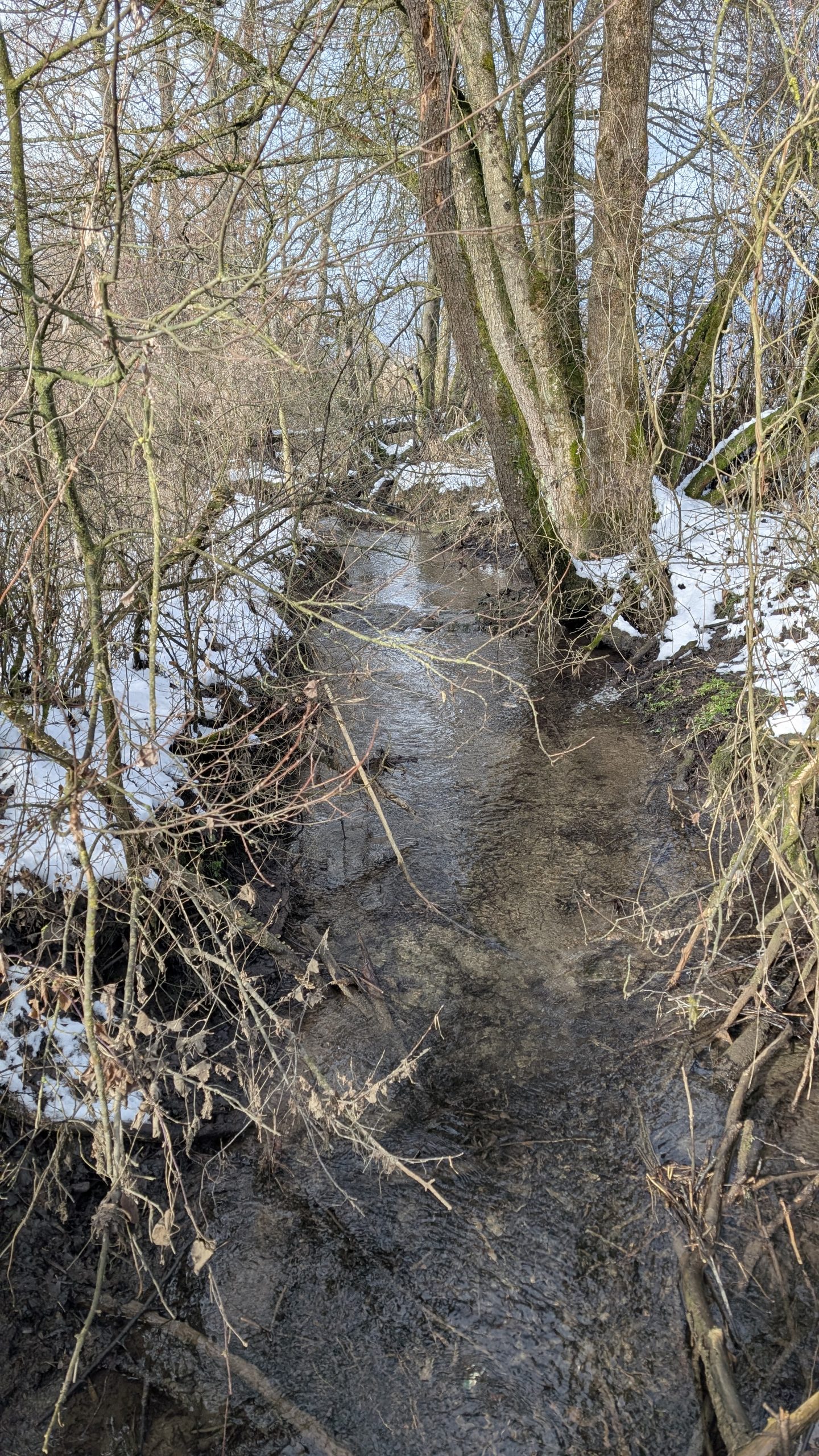
Both experts openly noted during their inspection of the Pšata that they were initially negatively surprised by the river’s level of degradation. “At first glance, you see a very simplified and confined system that no longer performs its natural functions,” Heritage emphasized. However, this impression quickly changed in the field. “When you start looking more closely, you see countless places where even small interventions can trigger significant changes. That’s what gives optimism,” Williamson added.
According to them, the Pšata is by no means a hopeless case. On the contrary—precisely because of the extensive regulation, it is often clearly visible where the system is failing and where gradual measures could improve the condition of the entire river basin.
What does the restoration of the Pšata mean?
Restoring a river or a river section does not mean returning it to an idealized past, nor constructing new structures in the riverbed. It means understanding the river as a system and allowing natural processes to once again play their role in shaping the space—creating conditions for nature to recover and, in turn, improving the quality of life for people.
A river is not just a flow of water between two banks. It is an entire river system, which includes the riverbed, floodplain, tributaries, groundwater, and sediment transport. When this system is heavily regulated, water flows faster, flood peaks are higher, droughts more severe, and nature loses space.
“If you take space away from a river, it will take that space back at some point—usually when it is least convenient for us,” Heritage warned.
Restoring the Pšata therefore means returning space to the water where possible, improving connections with tributaries, slowing down the flow, and utilizing natural processes that naturally mitigate floods and retain water in the landscape. All of this can be complemented with the construction of engineering structures where absolutely necessary to ensure people’s safety.
Why is this important right now?
Climate change brings more extremes—both floods and droughts. Traditional measures, which focus mainly on channel reinforcement and higher embankments, often just shift the problems downstream. International experience shows that naturally functioning rivers:
- Mitigate flood peaks and reduce flood risk;
- Retain water during dry periods and improve the landscape’s overall water balance;
- Improve water quality through natural self-purification processes;
- Create more stable conditions for agriculture;
- Restore and connect habitats along rivers;
- Increase biodiversity;
- Strengthen the resilience of river and riparian ecosystems;
- Enhance the overall resilience of the landscape to climate change.
As Heritage emphasized: “People have become accustomed to highly degraded rivers and perceive them as normal. But when you see a restored section, you understand what a river is capable of if we allow it. Observing such a river brings great satisfaction.”
Next step: co-creating with local communities
In March, consultation workshops will begin in the Pšata river basin, taking place across all five municipalities through which the Pšata flows: Cerklje na Gorenjskem, Komenda, Mengeš, Trzin, and Domžale. The goal of the workshops is to involve residents already in the phase of identifying the most suitable locations for potential interventions, rather than only once decisions have been made. This marks the beginning of co-creative stewardship of the Pšata and a shift toward bottom-up management—where local communities not only receive information but also have a real opportunity to help shape the river’s future.