World Nature Conservation Day
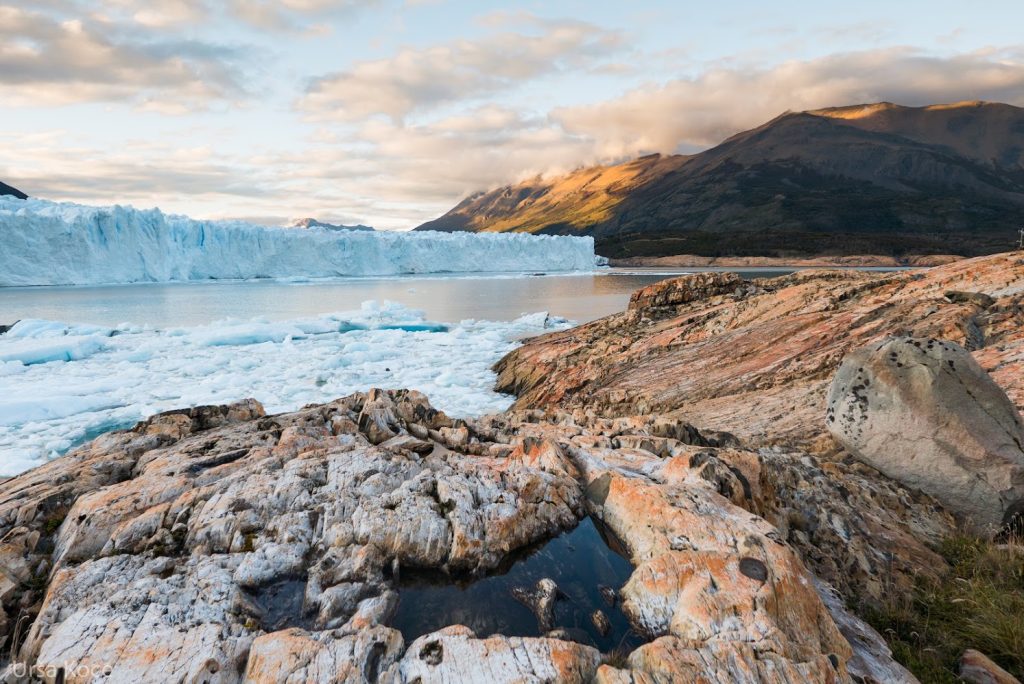
Nature is the foundation of our everyday lives, although we often become aware of this only when its balance is disrupted. Clean water and air, fertile soil, forests, healthy aquatic ecosystems and many other natural systems create the conditions for life for people, animals, plants and countless other organisms.
World Nature Conservation Day, observed on 28 July, is an opportunity to highlight once again the importance of protecting nature and biodiversity. Today, nature faces numerous pressures, including habitat loss and fragmentation, pollution, overexploitation of natural resources and the impacts of climate change. The consequences of these pressures affect not only plants and animals, but also people and our ability to adapt to change.
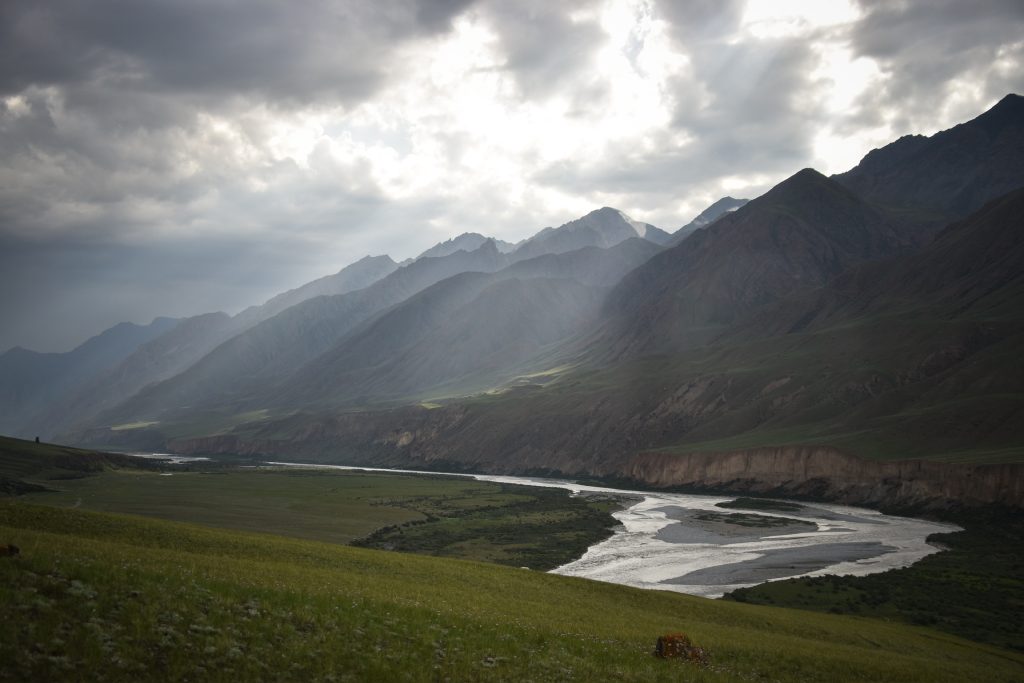
Rivers are among the most important elements of nature, connecting landscapes, shaping habitats and enabling the functioning of many natural processes. In past decades, many rivers have been regulated, channelled or otherwise altered due to various human interventions. Such modifications have often reduced habitat diversity, disrupted natural processes and weakened the resilience of river ecosystems to increasingly pronounced climate impacts. As a result, there is growing recognition today that the most effective long‑term solution is restoring the natural functions of rivers and floodplains.
World Nature Conservation Day reminds us that investing in nature means investing in a safer, more resilient and higher‑quality future. By protecting rivers, we safeguard not only water, but entire ecosystems, rich biodiversity and the many benefits nature provides to society every day. Every restored river section, every preserved riparian habitat and every step toward more sustainable water stewardship contributes to a shared goal — a natural environment that will continue to support healthy and high‑quality lives for generations to come.