ALIVE RIVER – Episode 2: The Kingfisher, the shimmering predator of the riverbank
In the second episode of the Alive river series, we head to the banks of Slovenia’s rivers, where, between the blue of the water and the lush greenery of the riverside vegetation, one of our most recognisable river inhabitants can be found – the kingfisher (Alcedo atthis).
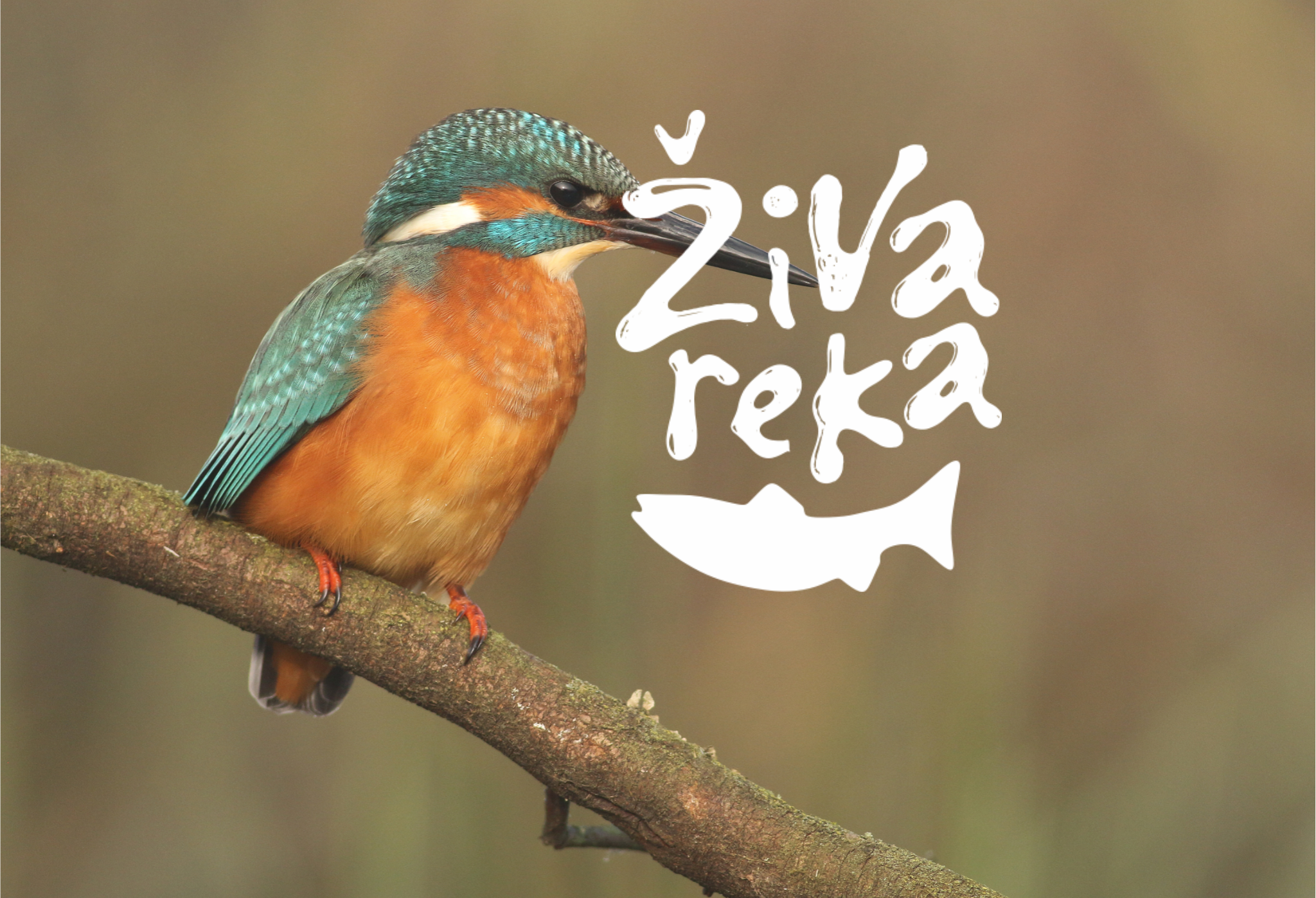
When it flashes past just above the surface of the water, we often catch sight of it for only a moment. It can be recognised by its brilliant blue plumage, orange belly, long bill, and characteristic low, straight flight just above the water. Its high-pitched, metallic call can often be heard before the bird itself comes into view – that is, if we recognise it in time.
But the kingfisher is more than just one of the most beautiful birds found along our rivers. It is also an indicator of a healthy, natural aquatic environment. Its presence tells us a great deal about the river it inhabits: that the water is clean and clear enough, that there are sufficient fish, and that natural riverbanks have been preserved, providing suitable nesting sites.
A Life by Clean Water
Kingfishers are closely associated with clean streams, rivers, and ponds. To hunt successfully, they need sufficiently clear water through which they can spot their prey. They are most often found along the lower reaches of larger rivers, where food supplies are more stable, as well as along waterways where natural, steep riverbanks have been preserved.
These banks are particularly important to the kingfisher. Unlike many birds, it does not nest in vegetation. Instead, it excavates its nesting site in a steep bank of sand or soft sediment.
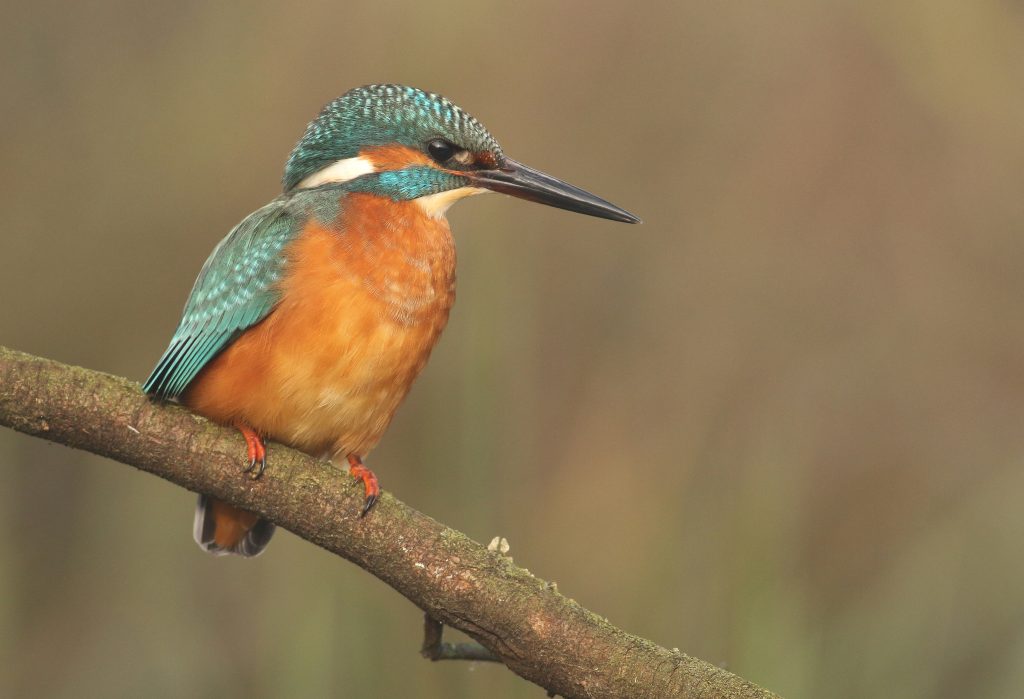
Photo: Alen Ploj
Nesting in Riverbanks
The kingfisher digs a tunnel approximately one metre long into the steep bank, which widens into a nesting chamber at the far end. The entrance is often concealed among overhanging vegetation, making it easy to overlook in the field. One sign that may indicate an active nest is the presence of pale droppings accumulating around the entrance during the breeding season.
The tunnel is usually located in the upper part of the bank, where it remains above the reach of moderate high water levels. During extreme floods, however, it may become flooded or collapse, resulting in the loss of the brood. If breeding fails, kingfishers often excavate a replacement nest. Under favourable conditions, they may even raise several broods in a single season – sometimes even after the first nesting attempt has been successful.
A clutch usually contains five to seven eggs. The chicks hatch after approximately 19 to 21 days and then remain safely inside the nest tunnel for another three to four weeks. During this time, both parents diligently feed them, mainly with small fish such as minnows and young trout.
A Predator Waiting for the Right Moment
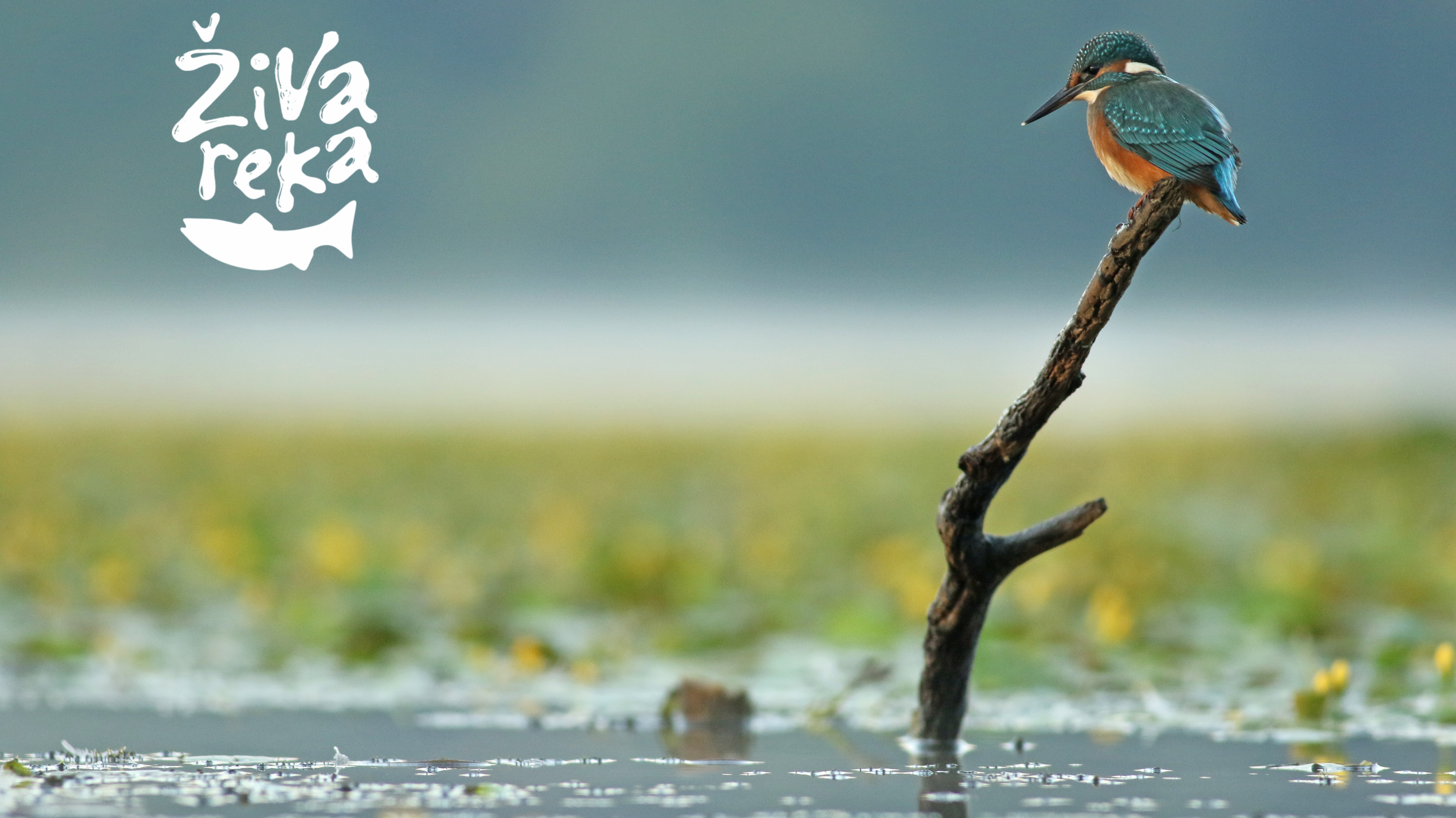
Adult kingfishers are predominantly fish-eaters. They prefer to hunt in shallow, clear water, where they can watch for prey from a secure perch. They typically wait on a branch overhanging the water, a fallen tree trunk, or another suitable vantage point, usually one to two metres above the surface. When they spot their prey, they dive into the water without hesitation. In an instant, they disappear beneath the surface, only to re-emerge moments later with a fish held in their long, pointed bill. Before swallowing their prey, they usually stun it by repeatedly striking it against a branch or stone.
Young birds are particularly vulnerable during their first hunting attempts. Their feathers are not yet fully waterproof, so they can even drown during their first dives.
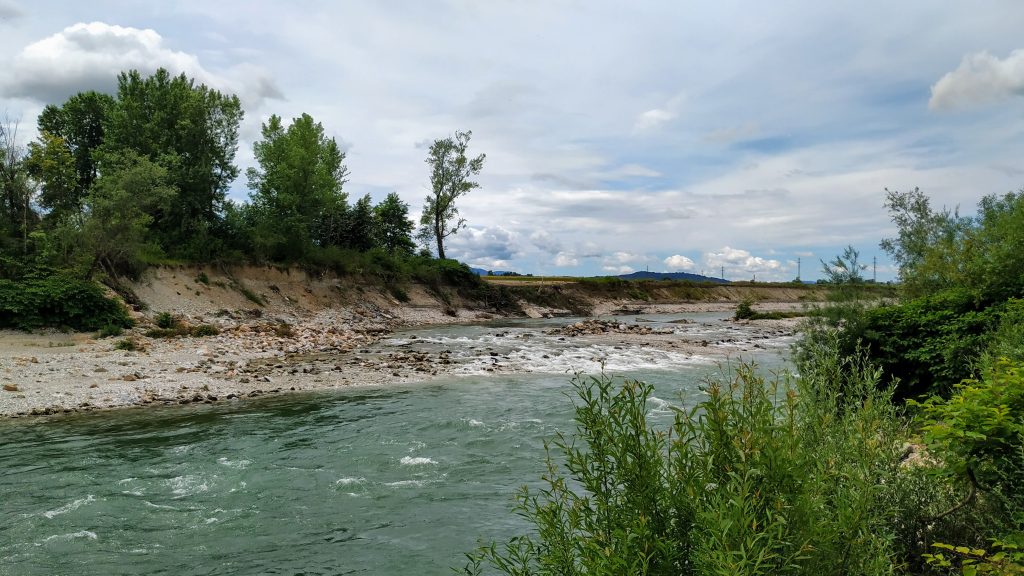
Photo: Urša Koce
Threats and Conservation Importance
Kingfishers depend heavily on the natural processes that shape rivers. Erosion creates the steep banks they need for nesting, while the deposition of sediment forms sandbars, shallows, and backwaters that provide important habitat for their prey.
This is why kingfishers are primarily threatened by activities that alter the natural dynamics of waterways and reduce their biodiversity, including:
- declines in fish abundance and diversity.
- reinforcing riverbanks with riprap,
- river regulation and channelisation,
- removing natural, steep sandy and muddy banks,
- water pollution, which reduces water clarity,
When we straighten a river, reinforce its banks, and prevent it from changing naturally, we often destroy the very habitats that kingfishers depend on.
The Kingfisher – Ambassador of a Living River
The kingfisher is an ambassador for natural rivers. Its presence reveals where a river still functions as a living system – where water is free to shape its own banks, where erosion and sediment deposition work together, and where clean water supports a rich and diverse fish community.
When we protect the kingfisher’s habitat, we are not protecting just a single species. We are protecting the entire web of life that depends on clean, dynamic, naturally functioning waterways. Because wherever a flash of kingfisher blue streaks across the river, the river is still alive.