World Rivers Day: Protecting Rivers Means Protecting Life
Forests and rivers are part of the same water system. Forests within a river basin influence how water enters the soil, how much of it is retained, and how gradually it flows towards streams and rivers. Forest soils can store large amounts of water while also acting as a natural filter: as water percolates through the different layers of soil, it passes through the root system and soil, which help filter and purify it through physical and biological processes. In this way, forests contribute to groundwater recharge and the gradual replenishment of rivers and streams. At the same time, naturally preserved forests can reduce erosion and the runoff of harmful substances into waterways, thereby helping to maintain water quality.
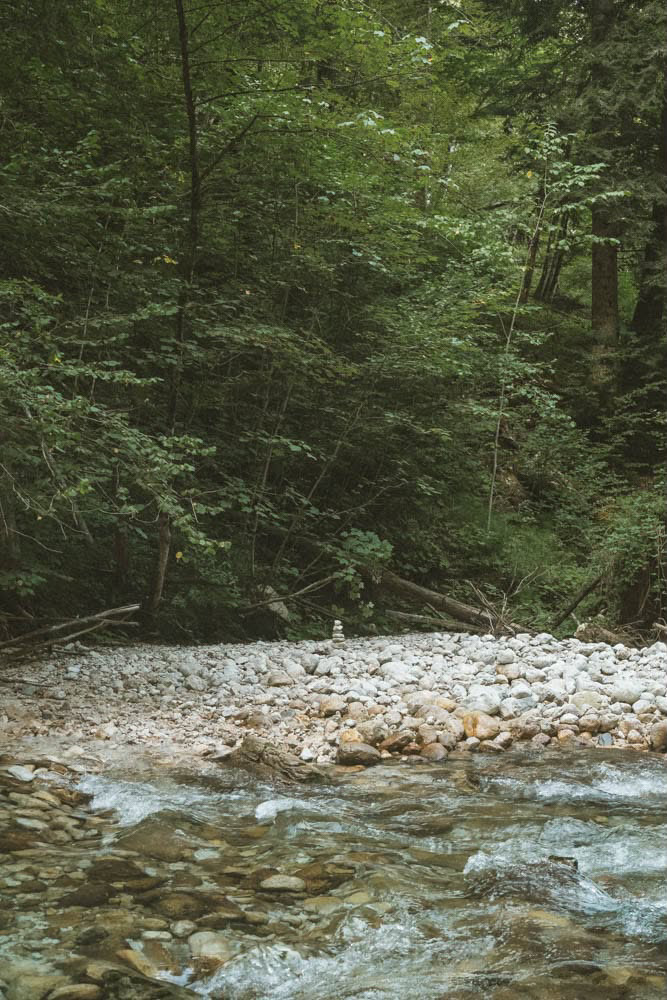
Foto: Tina Lagler
When we talk about a river, therefore, we are not talking only about the water flowing through its channel. A river is part of a wider river basin that includes forests, soils, groundwater, wetlands, tributaries and floodplains. Water connects all these elements. What happens in the upper part of a river basin can eventually affect the river itself and the life that depends on it.
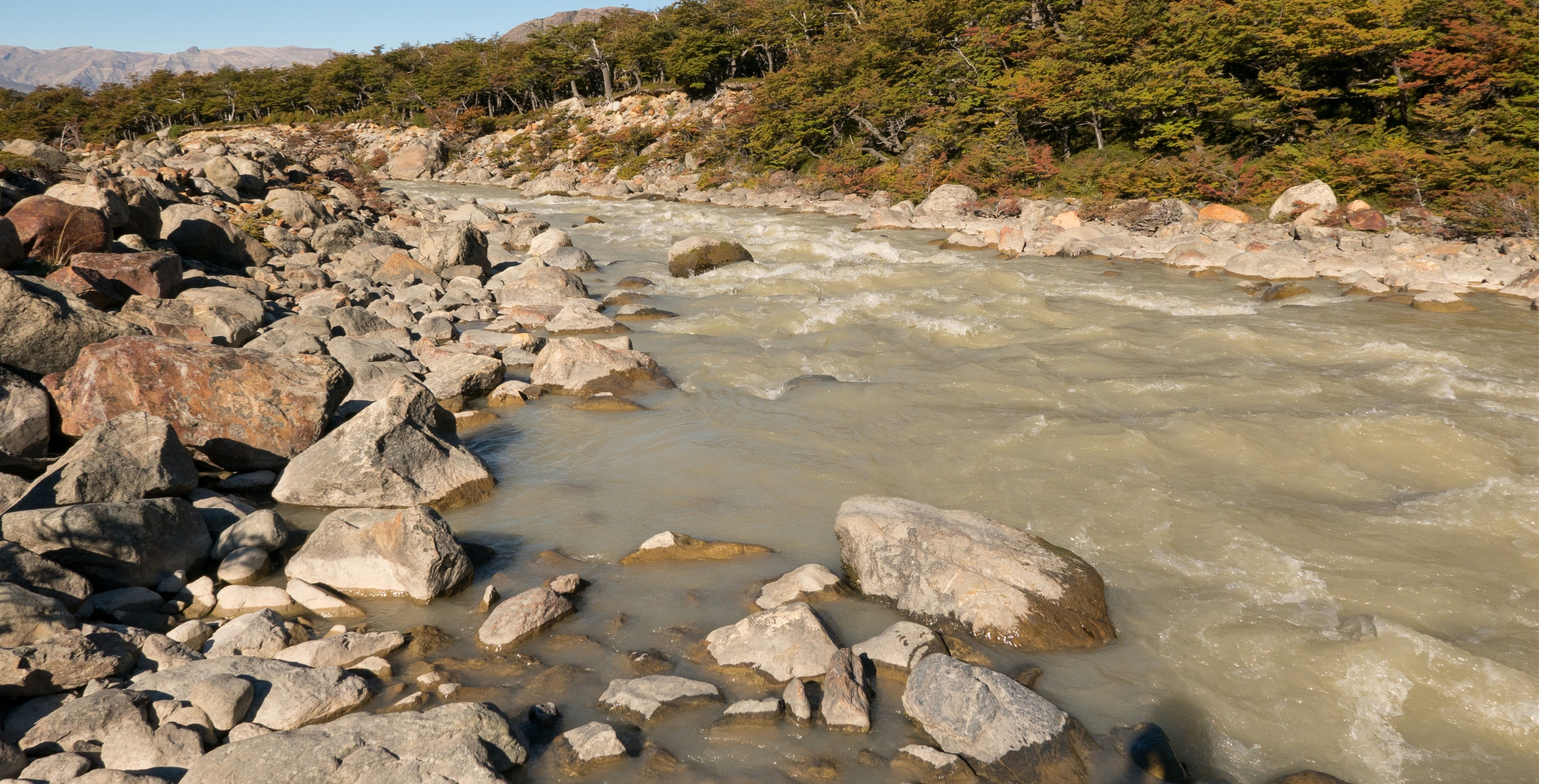
A river is a living and dynamic ecosystem. Its channel, banks, gravel bars, pools, oxbows, floodplains and riparian vegetation create a variety of habitats for numerous plant and animal species. Rivers change over time and across space – their flow, water level, temperature and volume all influence living conditions in and around them. It is precisely their connection with the surrounding environment that enables rivers to perform a wide range of natural functions.
Naturally preserved rivers and their riparian areas can retain water in the landscape, allow it to infiltrate into the soil, and help mitigate the impacts of floods and droughts. At the same time, they provide important habitats and ecological corridors for numerous species. Rivers are also an important part of our landscape and have played a significant role in human life throughout history. Settlements developed along their banks, as did agriculture, industry and transport. Rivers are also important for water supply, energy production and recreation.
Forests, rivers and water – one interconnected system
This year’s theme reminds us that natural systems cannot be considered in isolation. Forests, soils, groundwater, streams and rivers are interconnected and together form a system through which water continuously circulates.
Changes to one part of this system can affect the others. Deforestation, soil degradation, pollution, excessive water use and alterations to the natural structure of watercourses can all affect the quantity and quality of water, as well as living conditions in and around rivers.
Rivers need space and connectivity
Human interventions in the landscape can significantly alter the natural connections between rivers and their surroundings. Pollution, excessive water use, the reinforcement of riverbanks, the disruption of natural connectivity between water bodies, and other interventions can affect living conditions in and around rivers.
Protecting rivers therefore requires us to understand them as whole ecosystems. Preserving the natural characteristics of watercourses, improving the connectivity of aquatic habitats and restoring degraded areas are important steps towards more resilient river ecosystems.
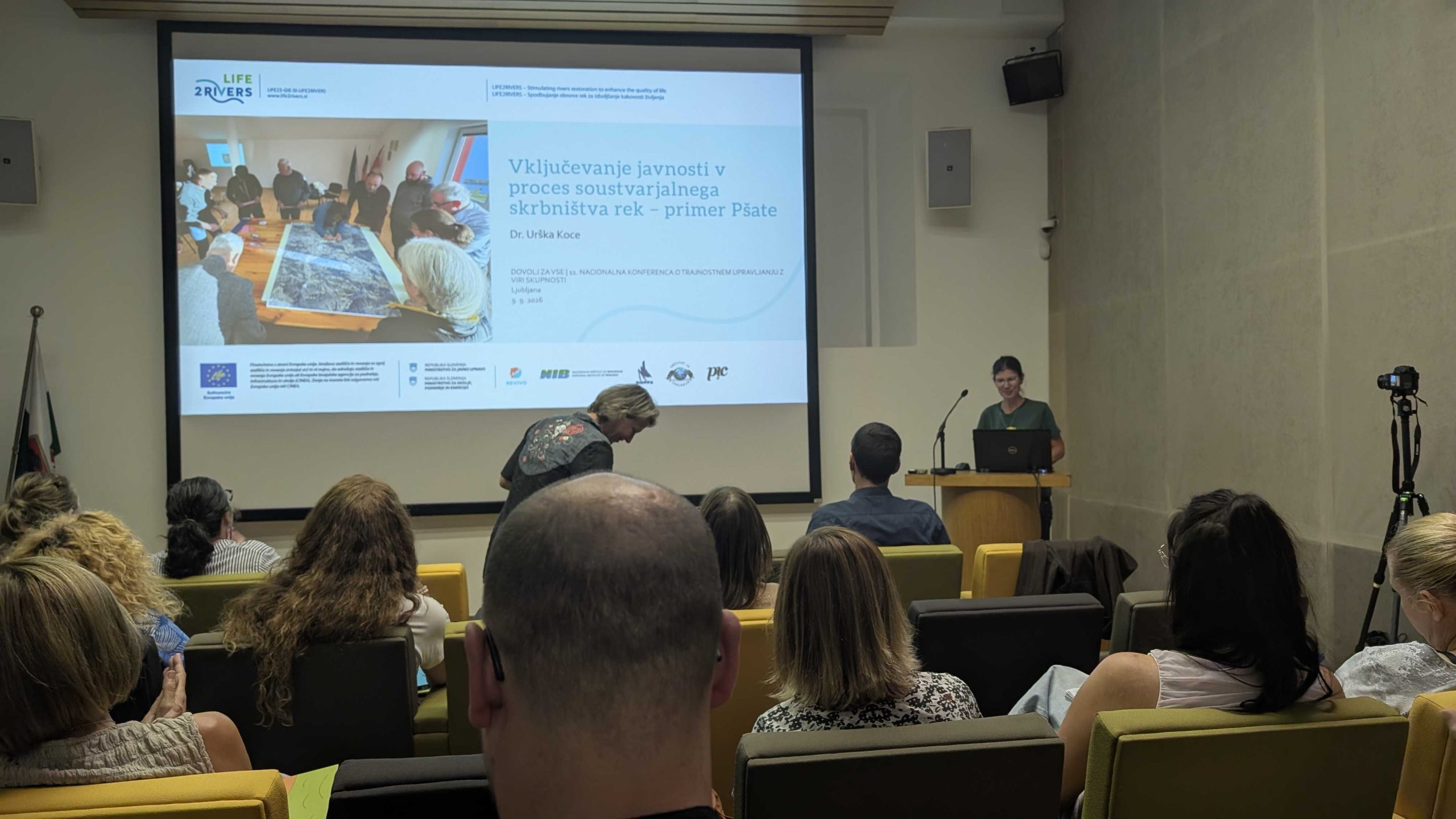
The importance of preserving these connections is also highlighted by the LIFE2RIVERS project, which aims to contribute to improving the condition of rivers and their associated habitats, while supporting the conservation of biodiversity and the integrity of river ecosystems.
World Rivers Day is therefore an opportunity to reflect on our relationship with the waters in our surroundings.
No forests, no rivers. No rivers, no water. No water, no life.
This message is more than just the theme of this year’s World Rivers Day. It is a reminder that our lives are connected to the health of aquatic and terrestrial ecosystems. By protecting forests and rivers, we are also protecting water – and, with it, one of the fundamental conditions for life.