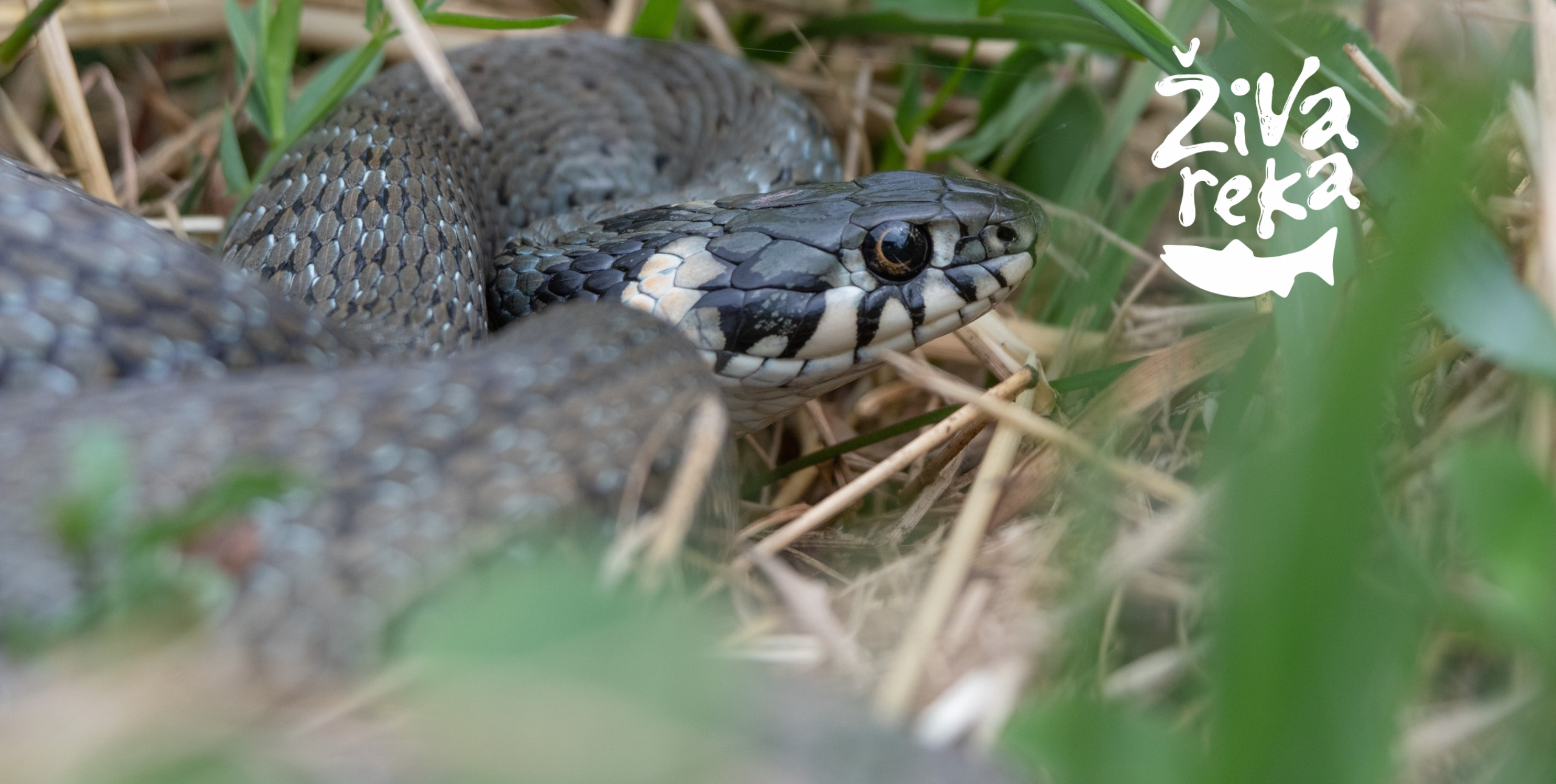
ALIVE RIVER – episode 7: The grass snake, an agile swimmer along riverbanks
Among riverside vegetation, on sunny patches of riverbank, and along shallow waters, one of our best-known snakes moves quietly: the grass snake (Natrix natrix). This non-venomous reptile spends much of its life near water. Its presence reminds us that a river is more than a flowing body of water; it is a network of interconnected aquatic and terrestrial habitats.
How to Recognise a Grass Snake
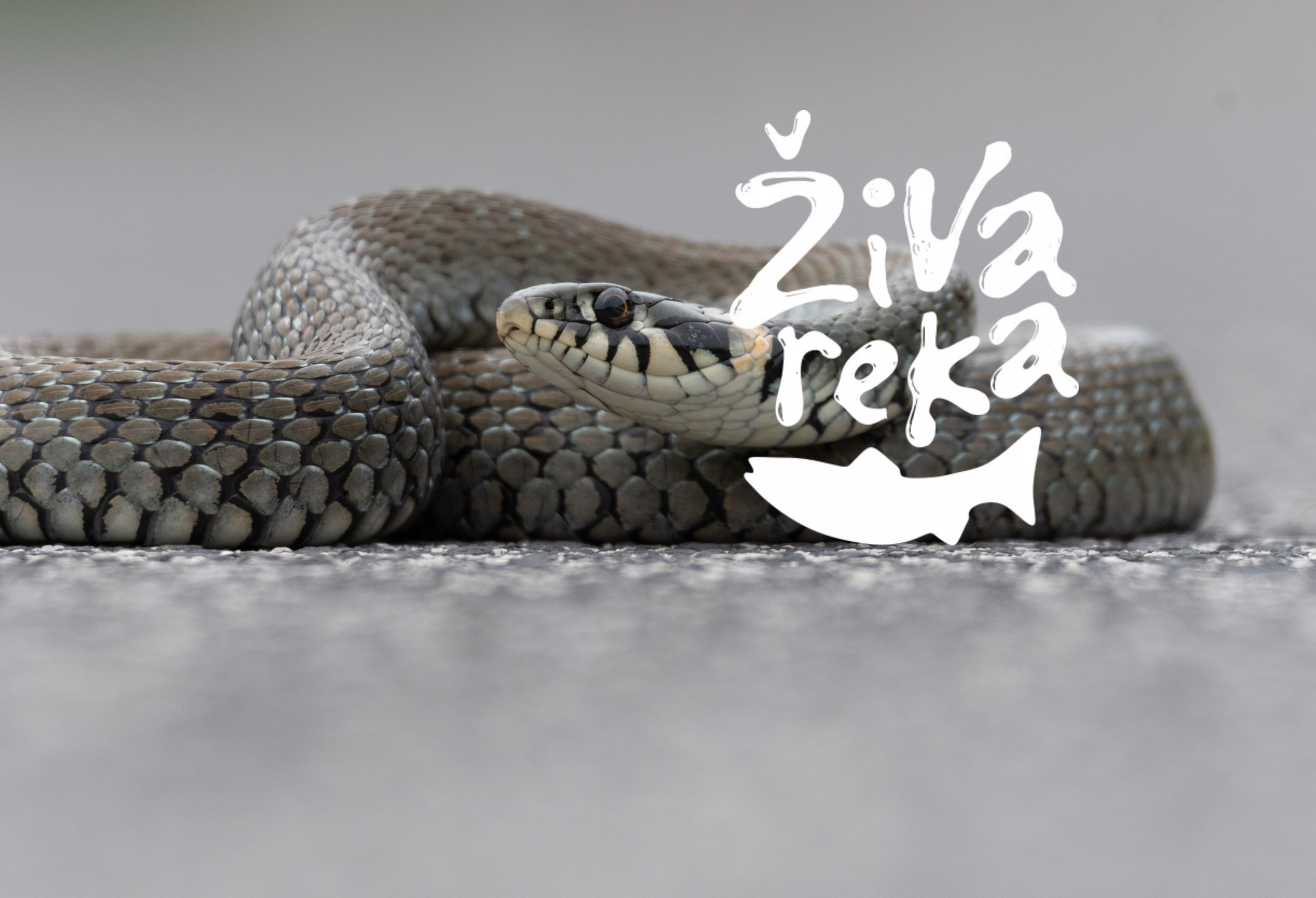
Photo: David Knez
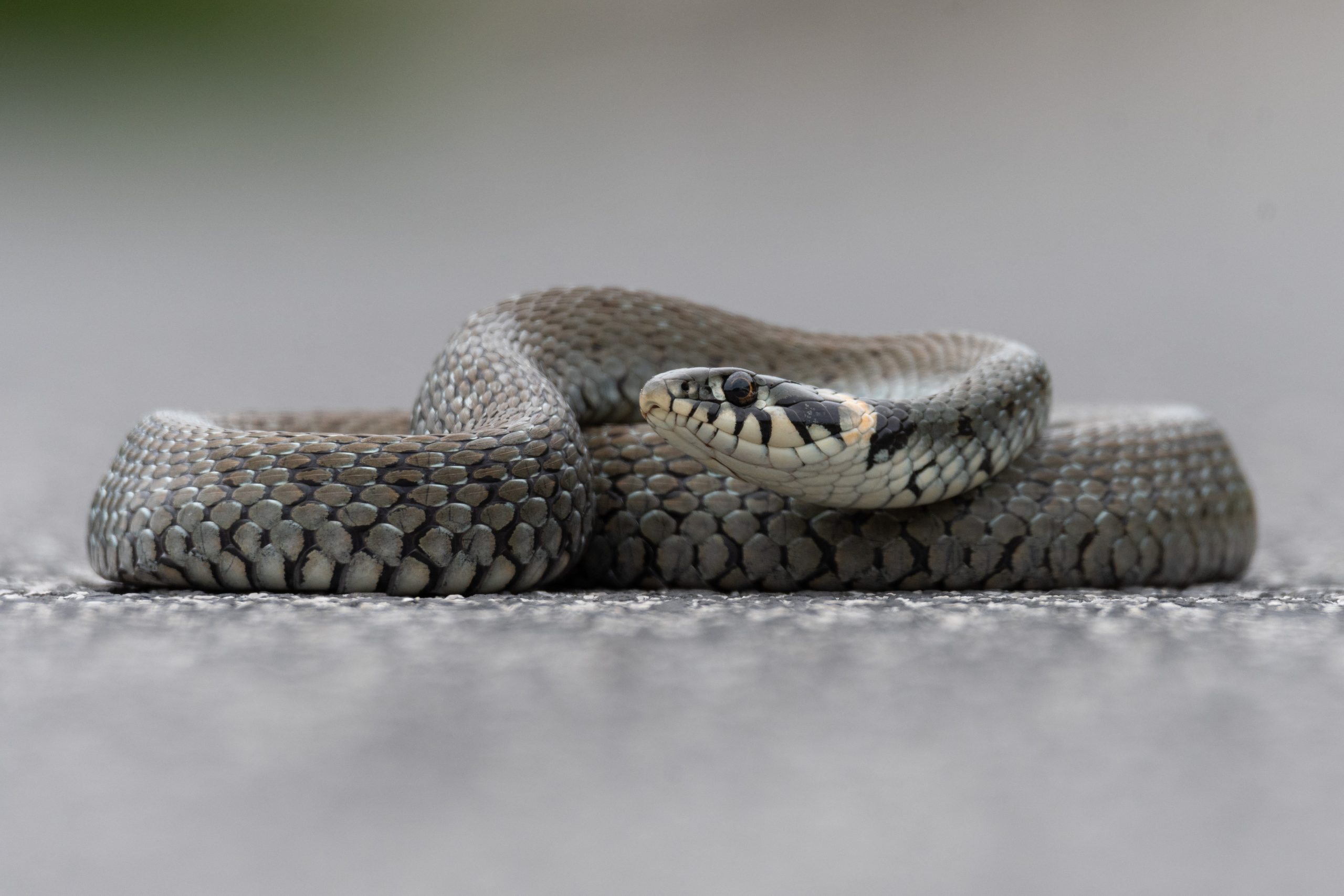
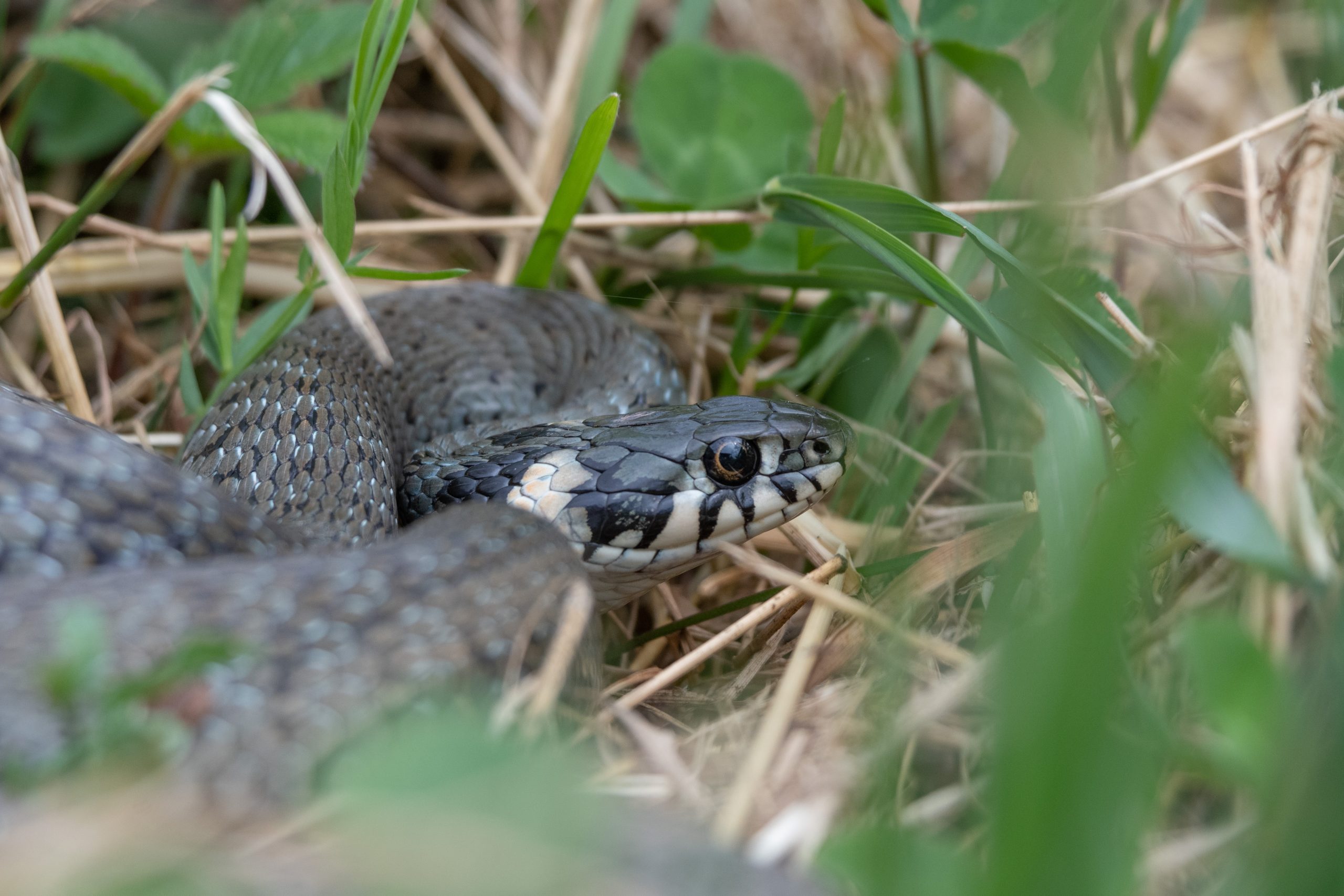
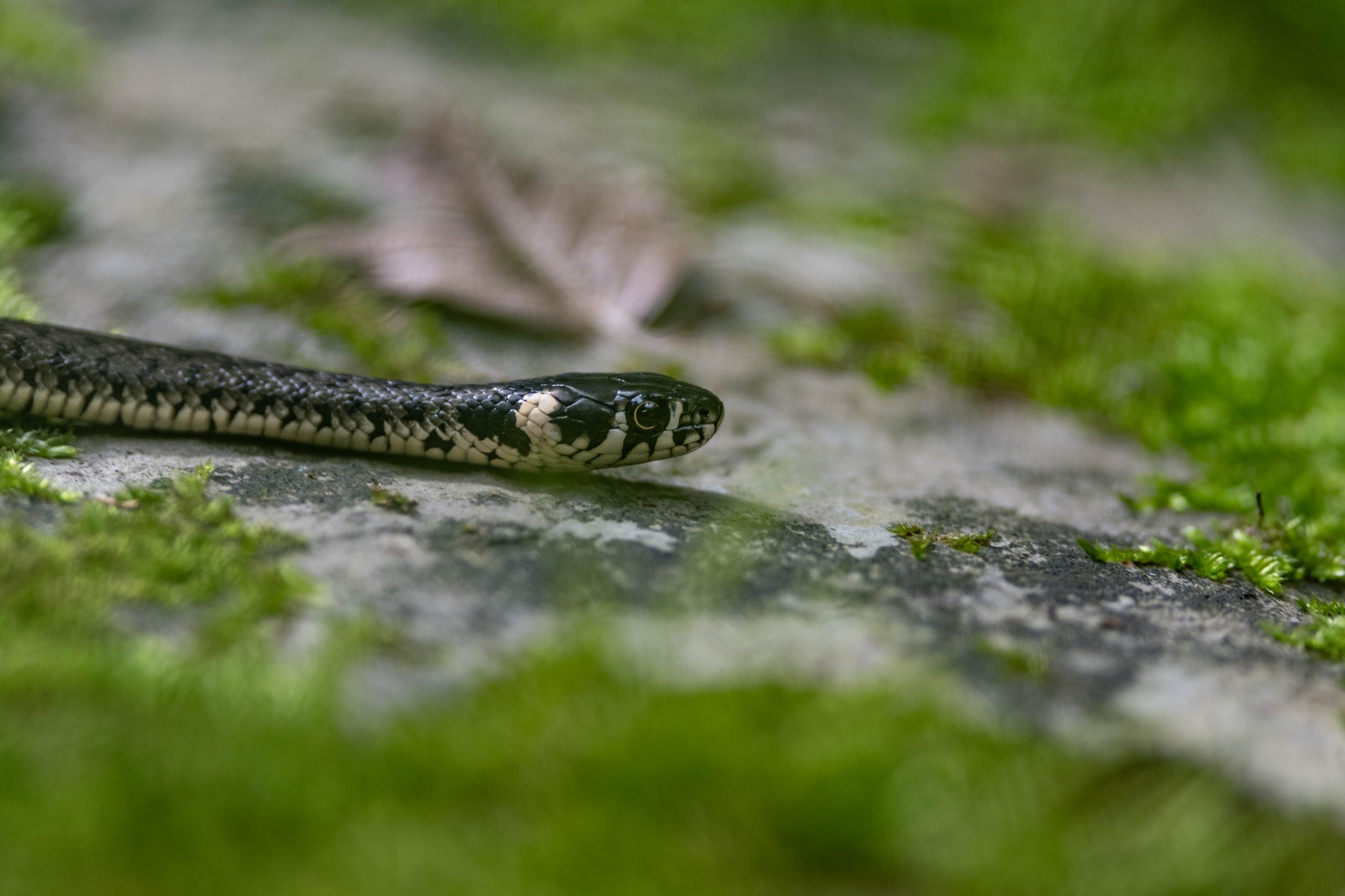
The grass snake is most easily recognised by the distinctive pale, yellowish or whitish crescent-shaped markings just behind its head, which give the species its name. Its body is usually olive-green to brownish-grey, often with darker spots or stripes. The underside is lighter in colour, with dark transverse markings that create a characteristic chequered pattern.
In some adults, the pale markings behind the head are less distinct or may be absent altogether. The grass snake has a long, slender body, and females are generally larger than males. It can grow to approximately two metres in length, although specimens this large are rare.
The grass snake is non-venomous and poses no danger to humans. When threatened, it may defend itself by hissing, releasing foul-smelling secretions, or displaying other defensive behaviours. If you encounter one, the best approach is to give it plenty of space and observe it calmly from a distance.
Life Between Water and Land
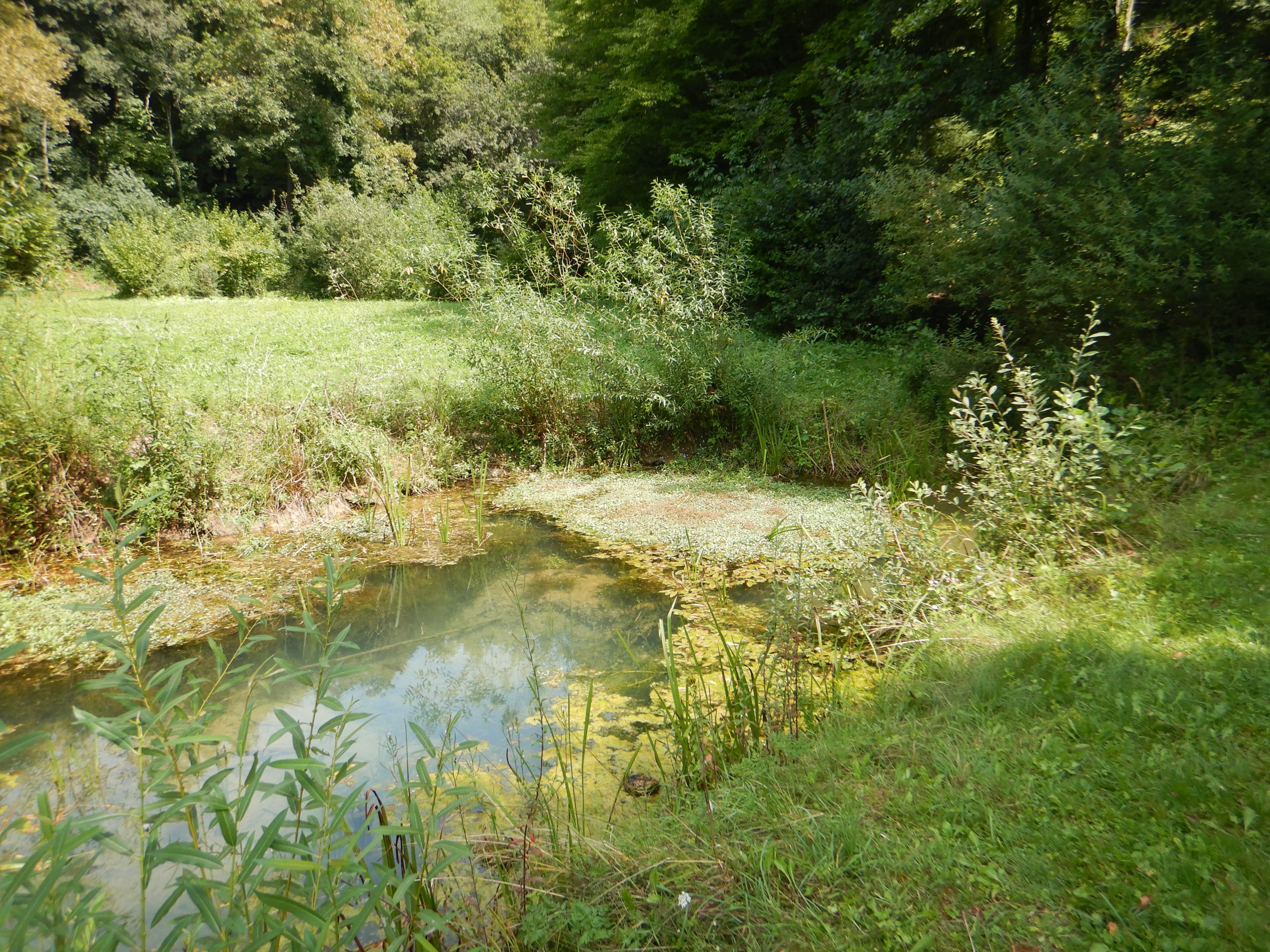
The grass snake is closely associated with aquatic environments. It can be found along rivers and streams, as well as around ponds, lakes, marshes, and other wetlands. It particularly favours areas where water meets riverside vegetation, sheltered hiding places, and sunny spots where it can warm itself.
Although it is an excellent swimmer and can also dive underwater, it does not spend all its time in the water. Land is an essential part of its habitat too: it basks in the sun, seeks shelter, hibernates, and lays its eggs there. The riparian zone is therefore not merely the edge of a river, but a place where two distinct yet interconnected ecosystems meet.
In Slovenia, the grass snake is widespread across much of the country, from lowland areas to hilly regions. In addition to natural waterways, it can also be found near human settlements, including in gardens, meadows, and damp woodlands, particularly where water and suitable prey are nearby.
A Predator That Uses Water to Its Advantage
The grass snake’s main prey consists of amphibians, particularly frogs. It also feeds on fish and occasionally catches other small animals, including small mammals and reptiles. Young grass snakes may also feed on tadpoles and amphibian larvae.
Its close association with amphibians is one of the main reasons why the grass snake is often found near water. Shallow waters, oxbow lakes, side channels, and riverside wetlands can provide important feeding grounds where it finds plenty of prey. However, the river itself is only part of the picture. The diversity of the surrounding landscape is equally important: varied waterside habitats, aquatic vegetation, and nearby wetlands create a range of living conditions for the animals on which the grass snake depends.
The grass snake is part of the river’s food web. As a predator, it contributes to interactions between species while also forming part of the wider natural food chain.
Basking, Hibernation, and a New Generation
The grass snake is mainly active during the warmer months of the year. After winter dormancy, it begins to emerge again in spring, when temperatures become suitable for reptile activity. It is often spotted basking in sunny places near water, warming itself before setting off to hunt.
Photo: David Knez
Grass snakes mate in spring. Between May and August, females lay their eggs, often using communal nesting sites where 100 or more eggs may be found. An individual female typically lays between 20 and 50 eggs, depending on her size. The eggs need suitable locations that are sufficiently warm and moist for successful development.
Females may lay their eggs in shared nesting sites, such as piles of decaying plant material, where decomposition generates heat. When searching for a suitable nesting site, females may travel away from their usual habitat.
This stage of the life cycle illustrates why the grass snake needs more than water alone. Safe terrestrial shelters, natural riverside vegetation, and undisturbed areas suitable for reproduction are also essential.
Why Natural Riverbanks Matter
The grass snake is not exclusively dependent on rivers, but its presence along waterways helps us understand how closely aquatic and terrestrial life are connected. A river with a well-preserved riparian zone provides a variety of opportunities for feeding, shelter, and movement between habitats.
When riverbanks are completely reinforced, riverside vegetation is removed, or connections between rivers and surrounding wetlands are disrupted, conditions also change for animals that rely on both environments. The loss of wetlands can reduce the availability of amphibians, while the removal of natural vegetation reduces the number of hiding places and suitable resting sites.
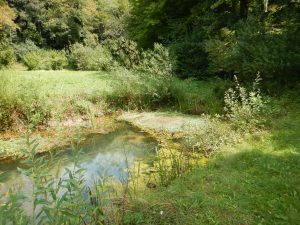
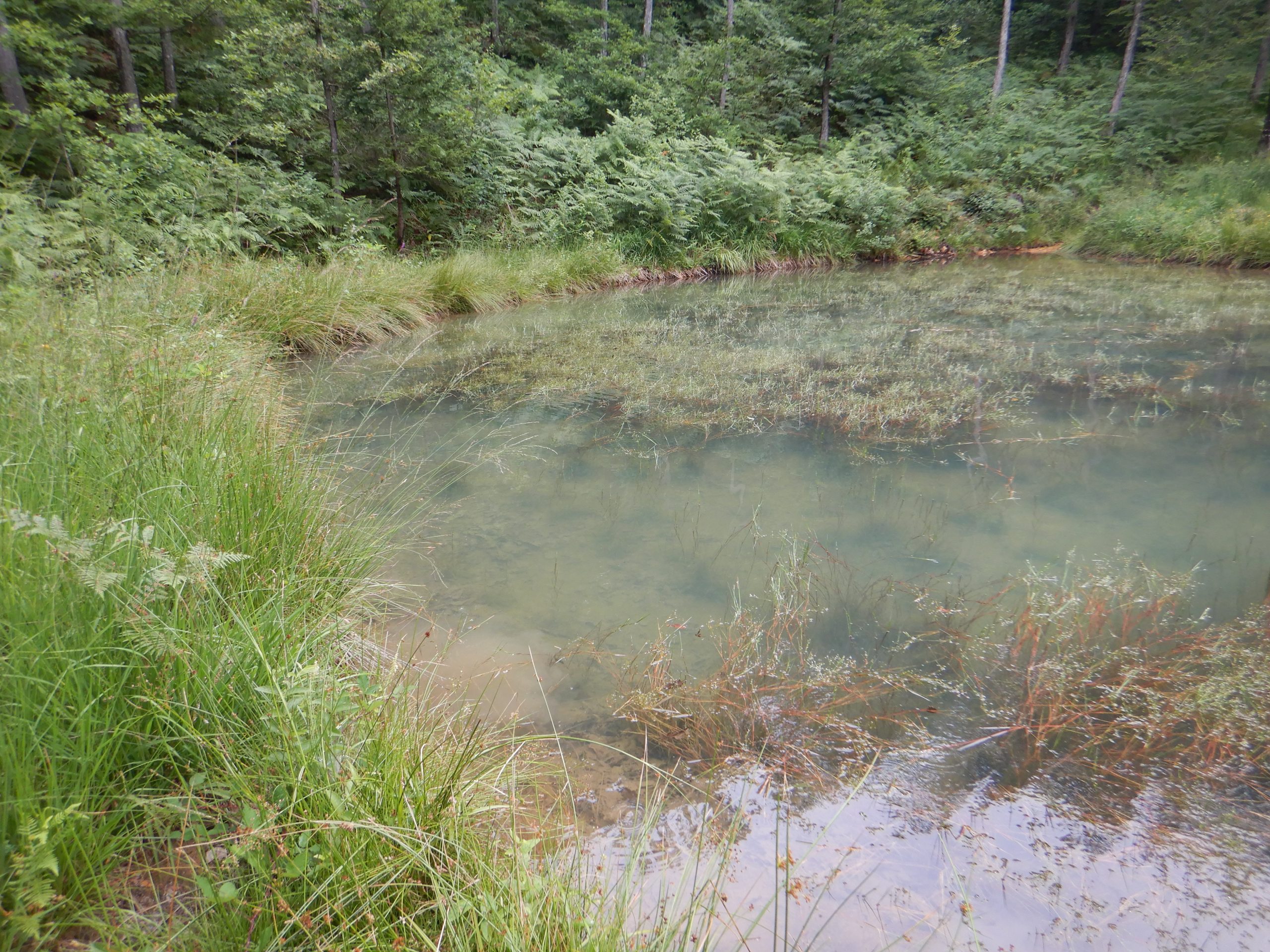
Grass snake habitat. Photo: Katja Knez
Protecting diverse riverbanks, wetlands, and natural connections between aquatic and terrestrial habitats is therefore important for the grass snake. It is equally important not to chase or harm the snake out of fear when encountering one.
The Grass Snake – An Inhabitant of a Living River Landscape
When we spot a grass snake beside a river, we see more than just a snake. Its presence is linked to life around the water, to amphibians, to suitable hiding places, and to terrestrial habitats that complement the aquatic environment.
Protecting rivers also means protecting their banks, wetlands, and the diverse habitats that surround them. A living river does not end where water meets land. Life often unfolds at this very boundary, where it can easily go unnoticed—including the life of the grass snake, an agile swimmer along riverbanks.
References:
- Vogrin, M. (2018). Dvoživke in plazilci Slovenije in okoliških regij: opazovanje in prepoznavanje vrst. Ljubljana: Mladinska knjiga.
- RASTLINE, glive in živali Jelovice, Ratitovca ter Nemškega Rovta / [urednika Nik Šabeder in Anja Bolčina ; avtorji besedila Anja Bolčina … [et al.] ; avtorji fotografij Anja Bolčina … et al.]. – Ljubljana : Društvo za raziskovanje mokrišč Slovenije, 2023. (Stran 112)
- https://notranjski-park.si/odkrijte/enciklopedija/zivalski-svet/plazilci/gozi/belouska