World Animal Day 2026: See The World Through Their Eyes
Every year on October 4th, we celebrate World Animal Day — a day that reminds us that we share our planet with countless species, each with their own needs, their own paths, and their own way of perceiving the world. This year’s theme, “see the world through their eyes,” encourages us to step away from a human‑centered understanding of nature and try to look at the world from their perspective. Not as a space we shape according to our own standards, but as a home animals experience directly — along with all the changes brought by climate change, droughts, and human impacts on the environment.
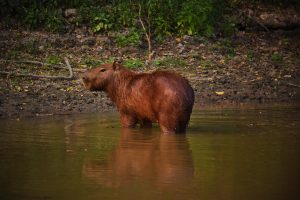
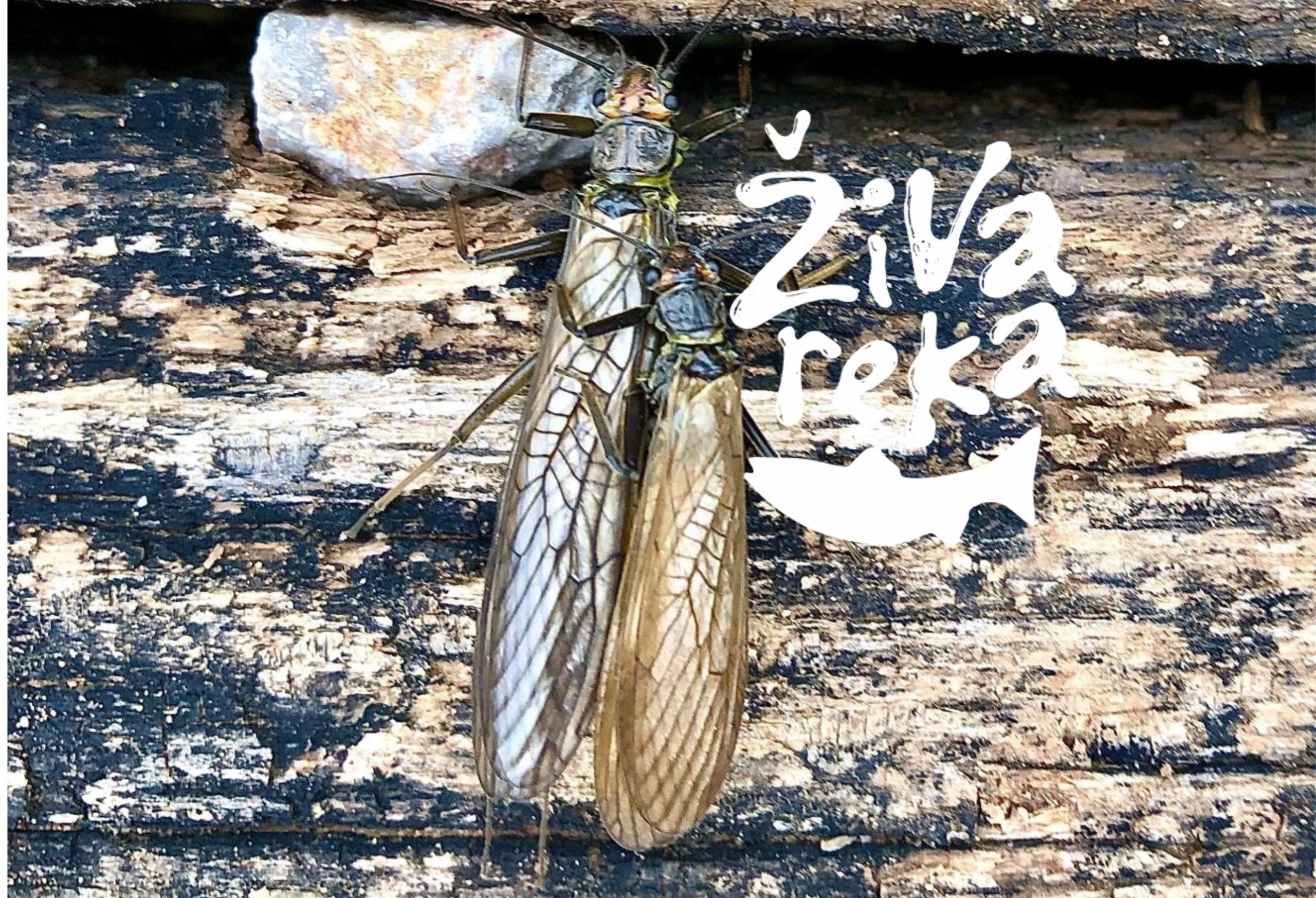
Photo: Nejc Sitar
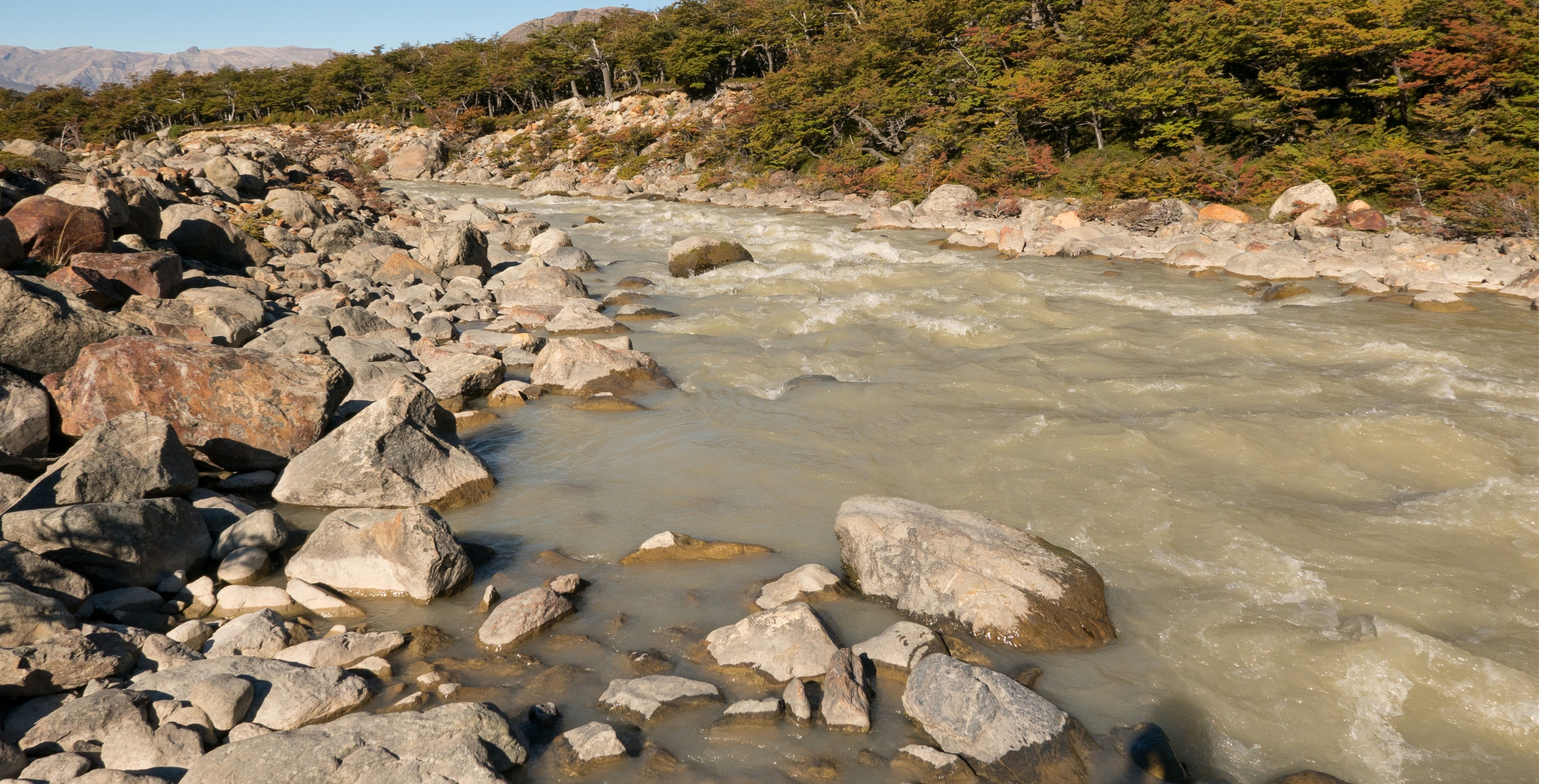
When we try to see the world through the eyes of animals, we more easily understand how strongly environmental changes affect their lives. This summer once again reminded us how quickly heat and a lack of rainfall can transform the appearance of our watercourses. Prolonged drought can reduce water flow, dry up smaller streams, warm the water, and decrease oxygen levels. While people often perceive drought mainly as a shortage of water, for animals that depend directly on aquatic environments it can mean less living space, less food and shelter, and more difficult conditions for feeding, reproduction, and survival.
Human interventions in aquatic ecosystems also significantly affect the lives of aquatic animals. Dams and other barriers alter the natural dynamics of rivers: they influence water flow and temperature, trap sediment, and can break connections between different parts of the river system. For us, a barrier may be infrastructure; for an animal, it is an obstacle that complicates or prevents access to suitable habitats, feeding grounds, or spawning sites.
Aquatic animals are therefore important indicators of environmental change. Their presence, distribution, and condition can tell us a great deal about the health of aquatic ecosystems. When rivers change, their world changes too.
This is precisely why the LIFE2RIVERS project strives for a different perspective on Slovenian rivers — seeing them as living ecosystems that must be preserved and restored together with the natural processes that shape them. Through river ecosystem restoration, nature‑based solutions, and collaborative river stewardship, we aim to contribute to healthier and more resilient rivers that can remain home to numerous species.
On World Animal Day, we invite you to pause by a river for a moment and try to look at the world through their eyes. What does it mean when the water disappears? What happens when the flow slows down or when a barrier cuts off the path? Where can one find food, shelter, or a place to reproduce when the river changes?
When we begin to understand the river as a living space for other beings, we start to see it differently. And perhaps such a perspective opens the door to more responsible decisions.