From River Regulation to River Understanding
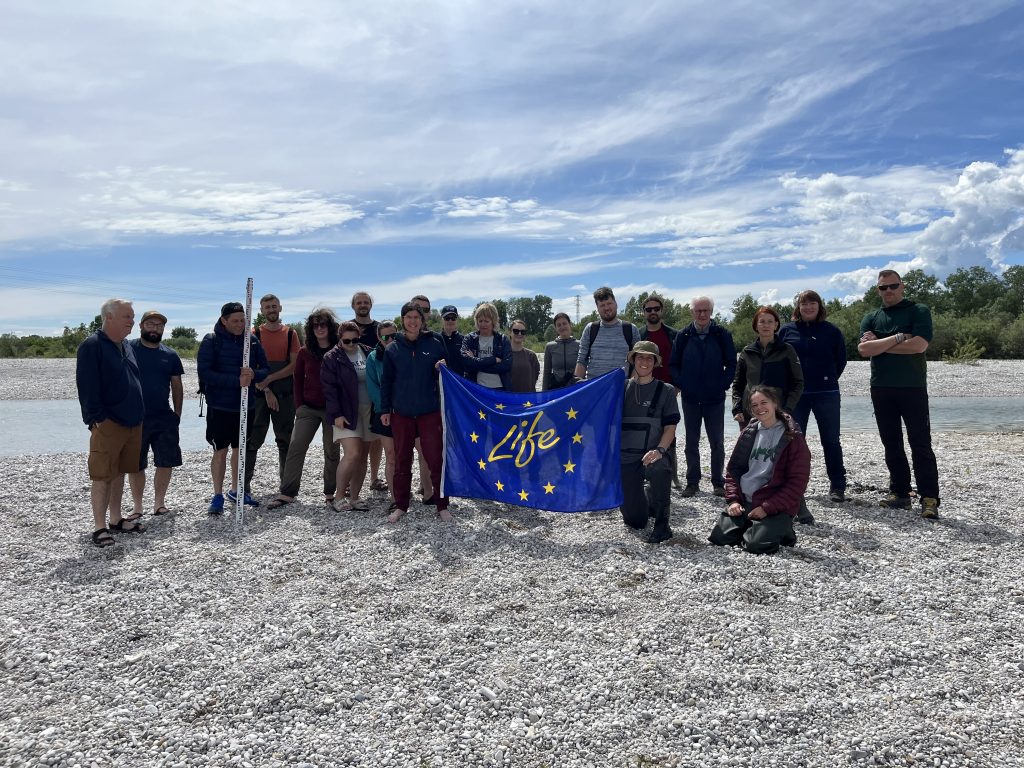
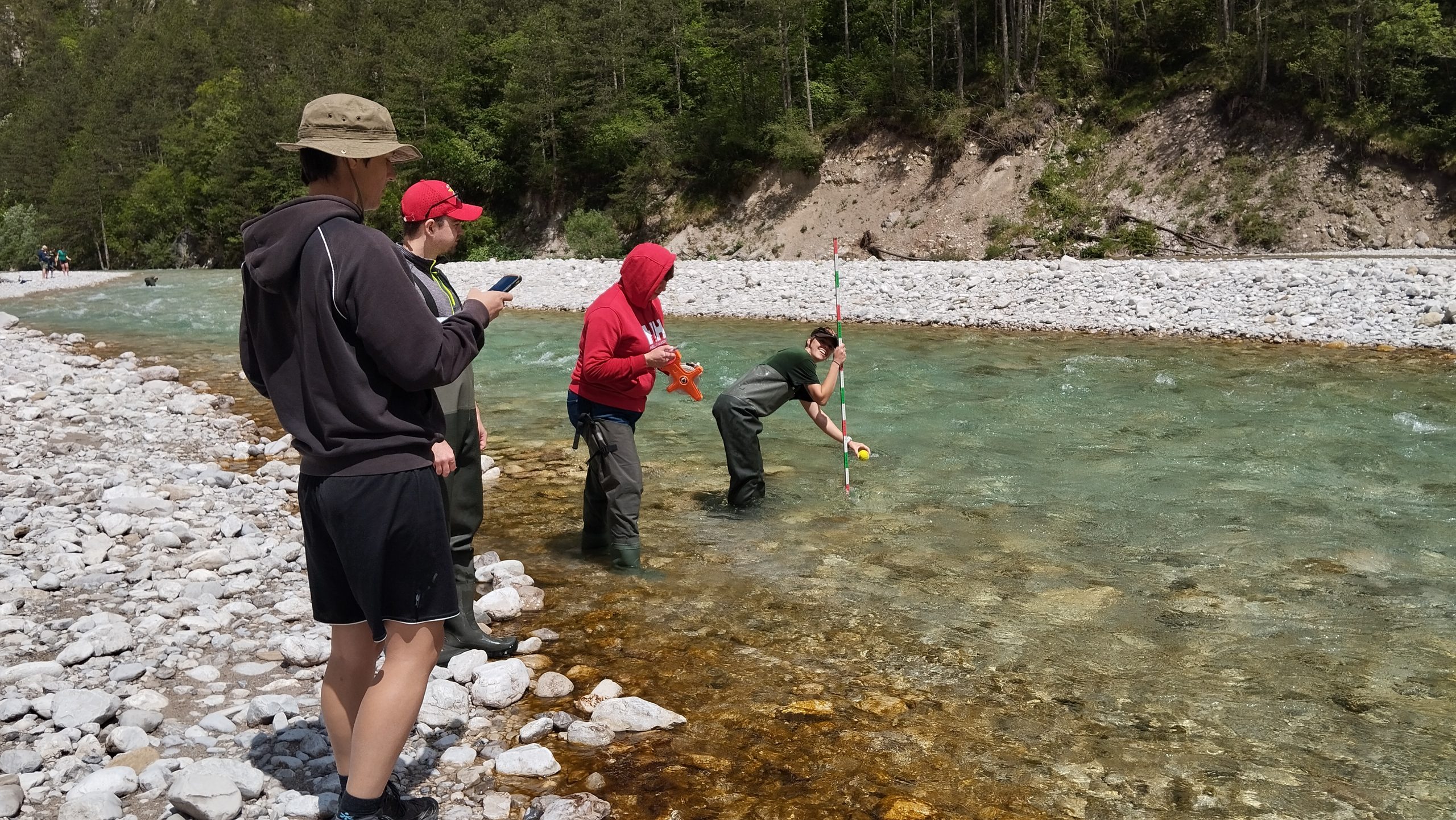
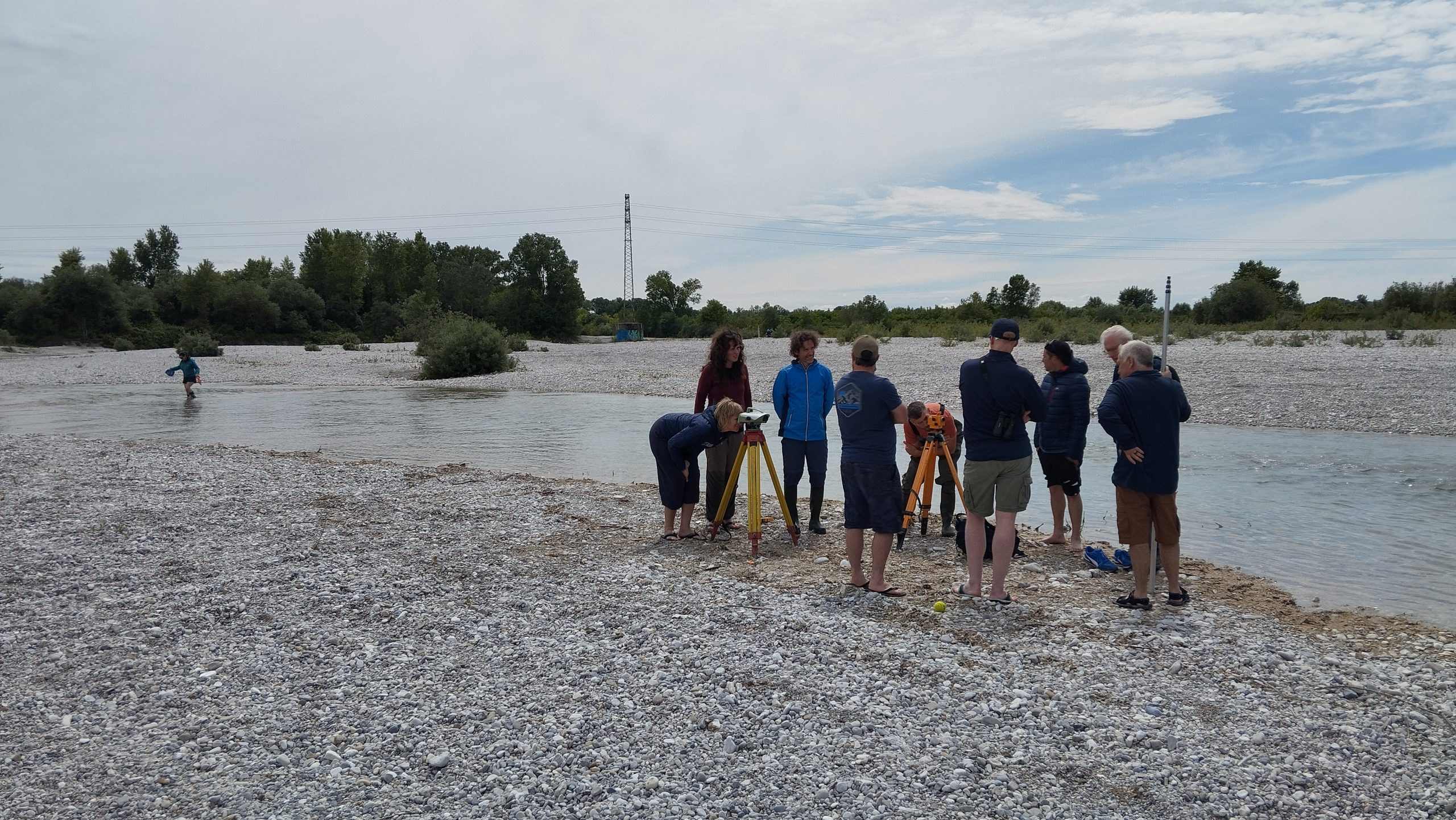
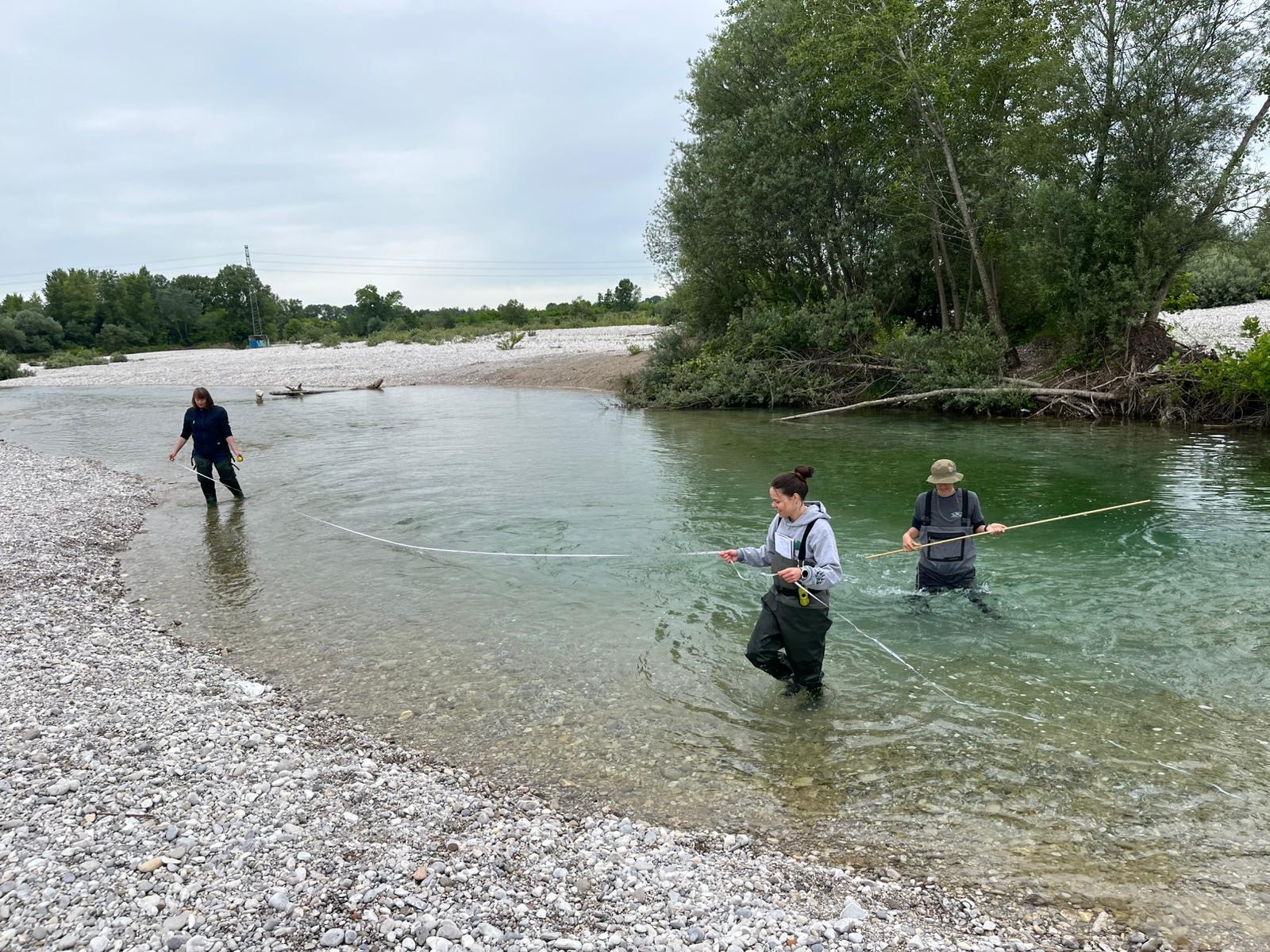
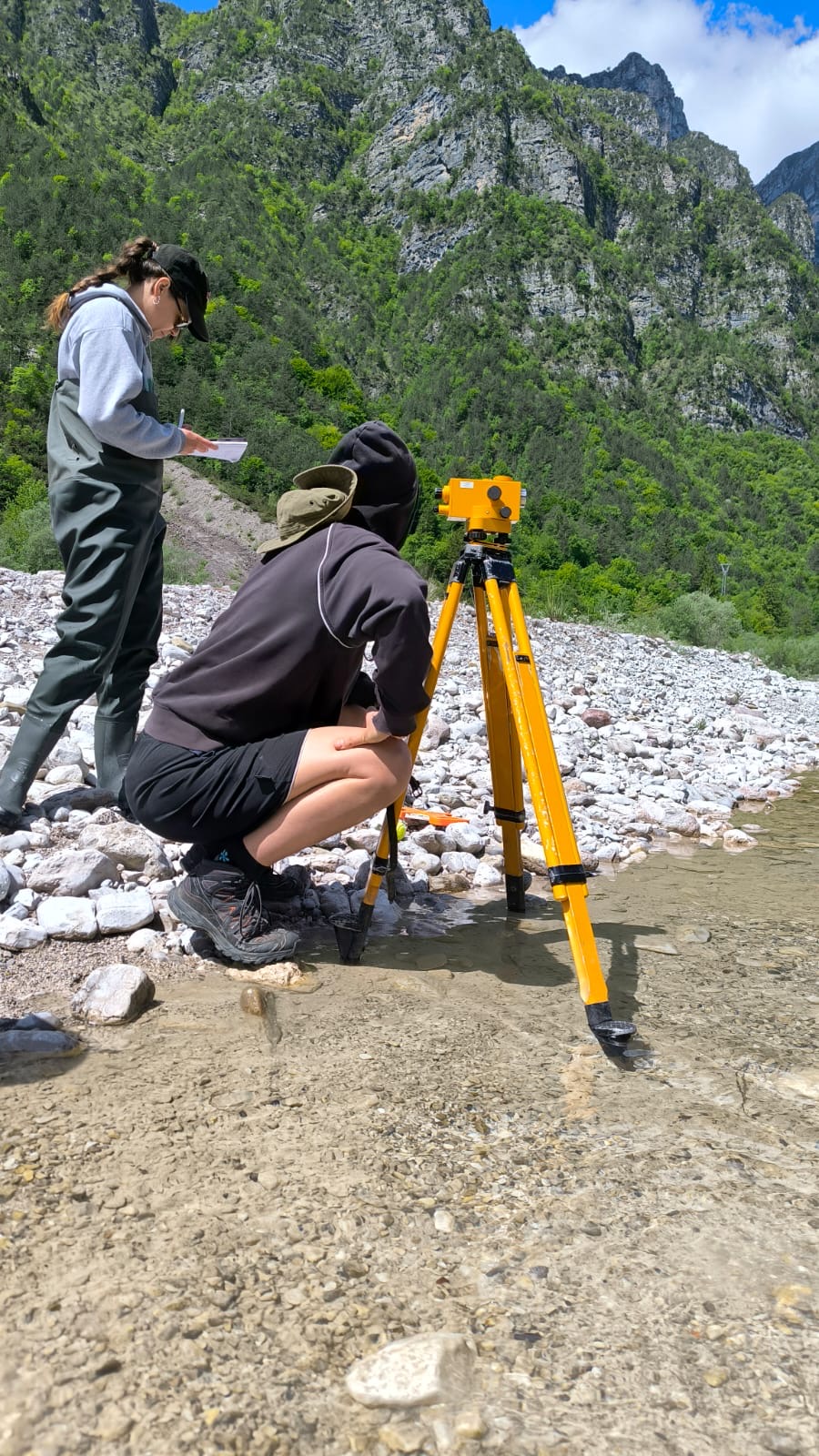
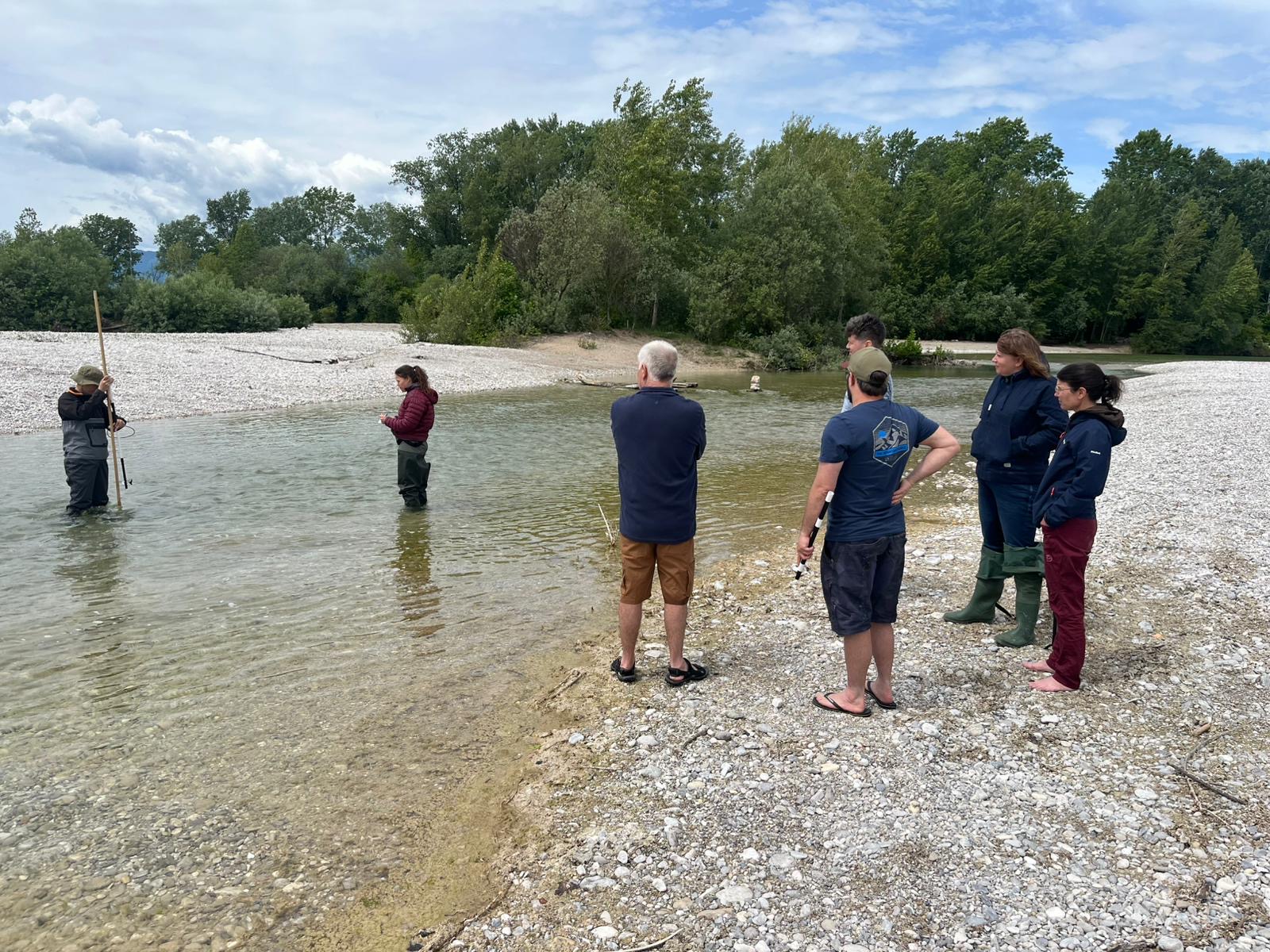
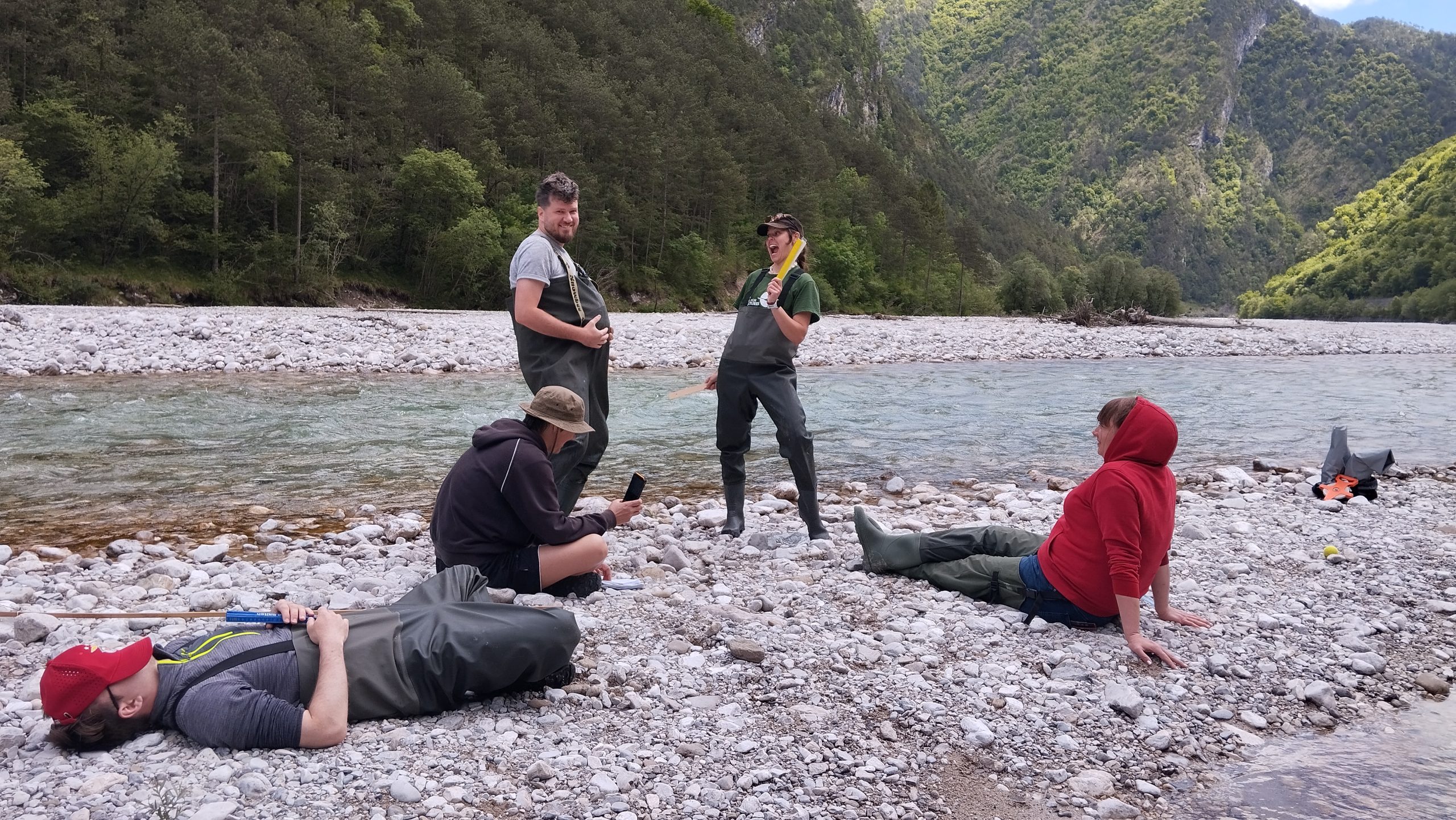
As part of the LIFE2RIVERS project, members of the project team, together with experts from the Institute of the Republic of Slovenia for Nature Conservation, the Slovenian Water Agency, and the Slovenia Forest Service, participated in a technical study visit to the Friuli Venezia Giulia region of Italy. The aim of the visit was to explore contemporary approaches to river and floodplain management and to exchange knowledge and experiences with experts from across Europe.
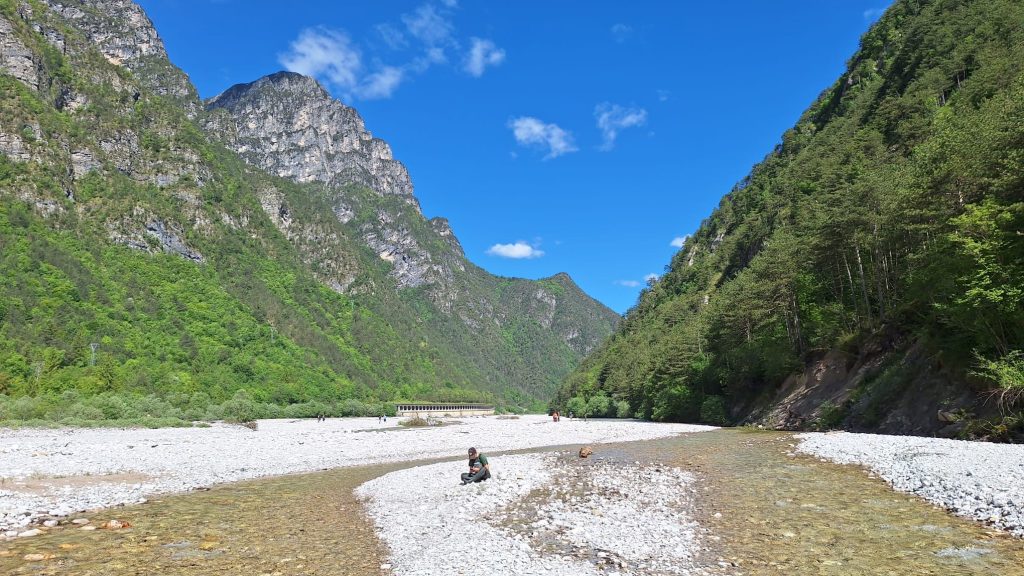
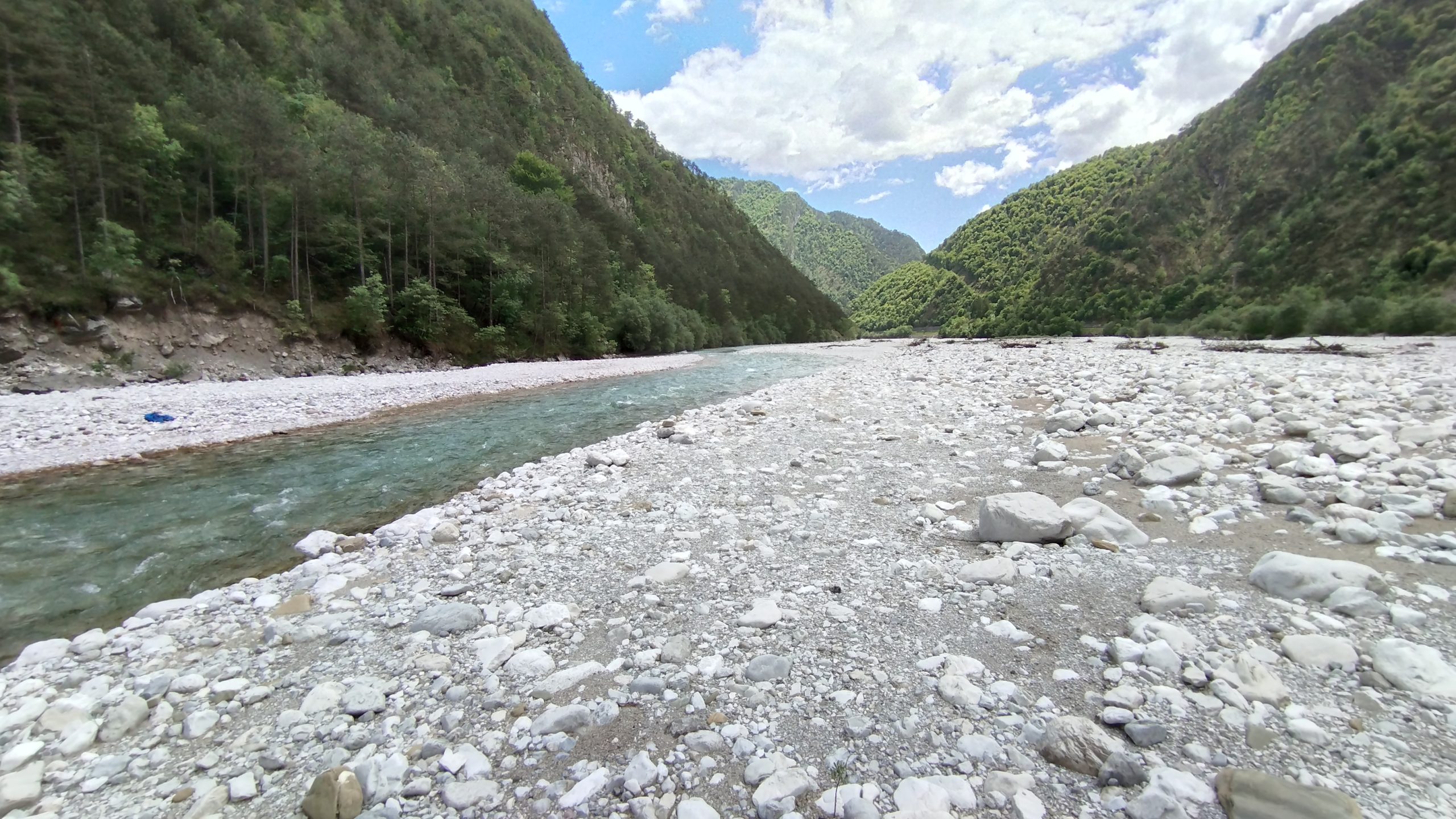
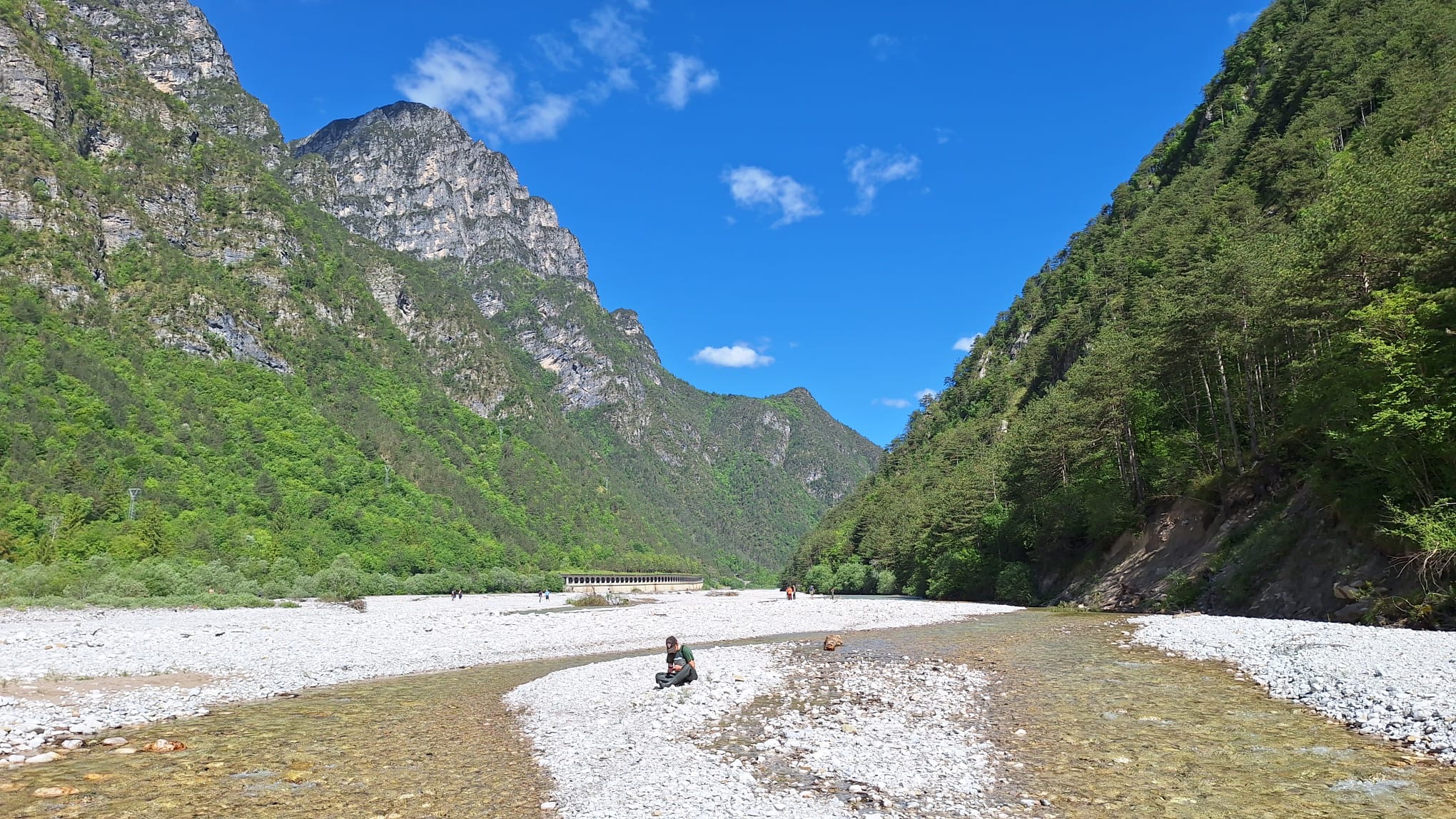
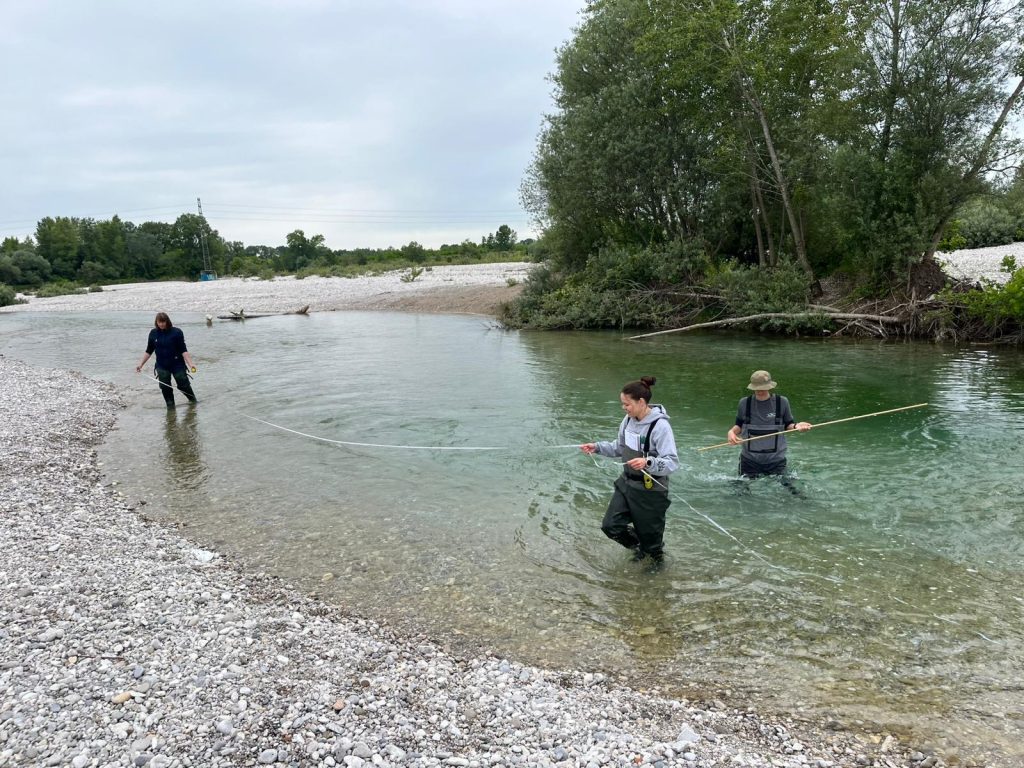
Fieldwork was carried out on two river systems—the Meduna River and the Cellina River valley. The group was guided by internationally recognised experts in fluvial geomorphology and water management, including British geomorphologist Dr George Heritage, who has spent many years studying river processes and river system dynamics across Europe.
A River Is Not a Static System
The study visit raised important questions about how we understand rivers today and how they should be managed. For decades, rivers were primarily viewed through the lens of regulation, bank reinforcement, and the restriction of natural processes. The main objective of such interventions was to control water and reduce flood risk. In recent years, however, it has become increasingly evident that excessive modification of river systems can create new challenges and unintended consequences.
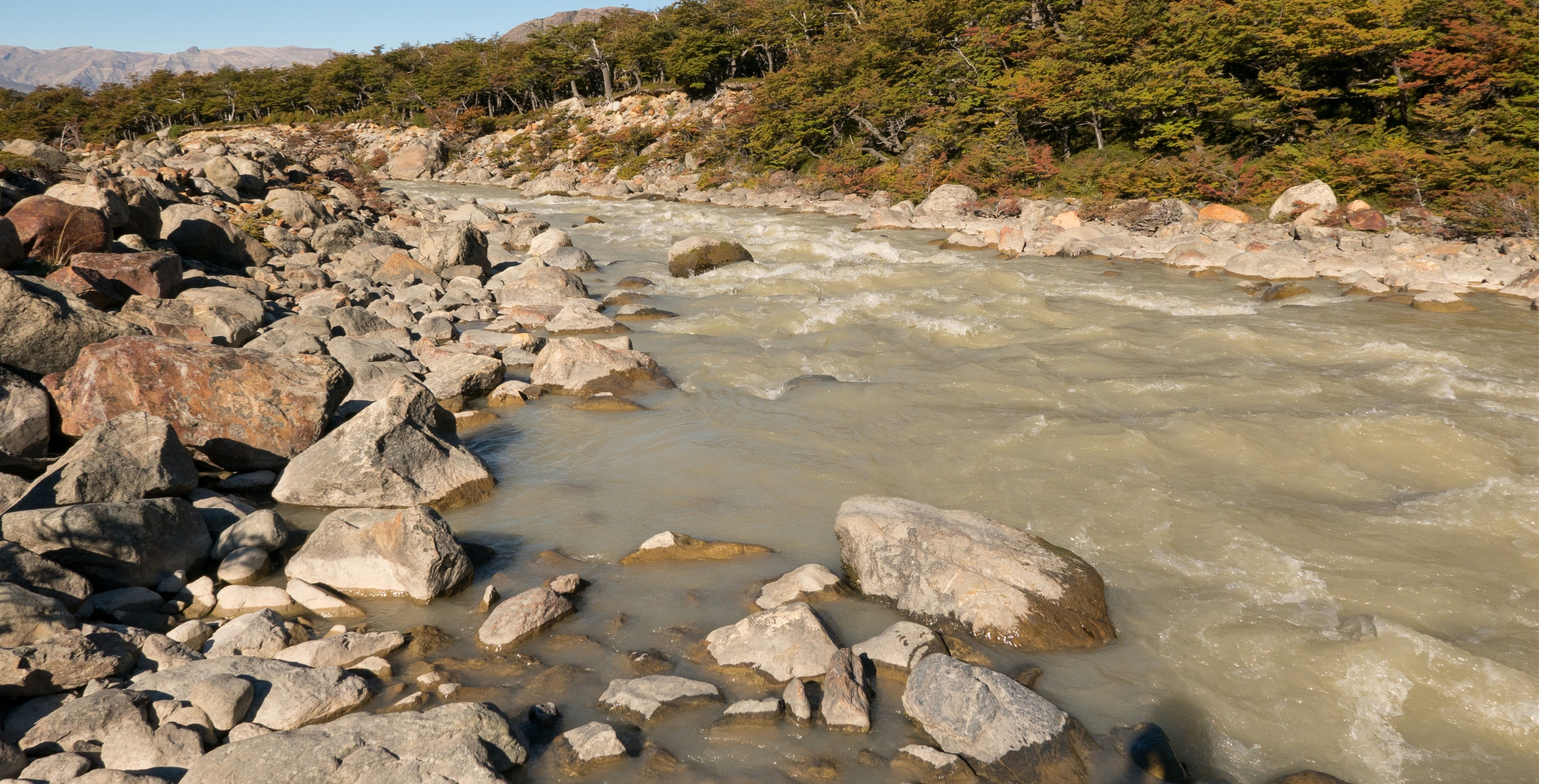
A river is not a static channel but a living and dynamic system. Processes such as erosion, sediment transport, and deposition continuously shape the river channel. These natural processes are essential for maintaining the river’s ecological and geomorphological balance.
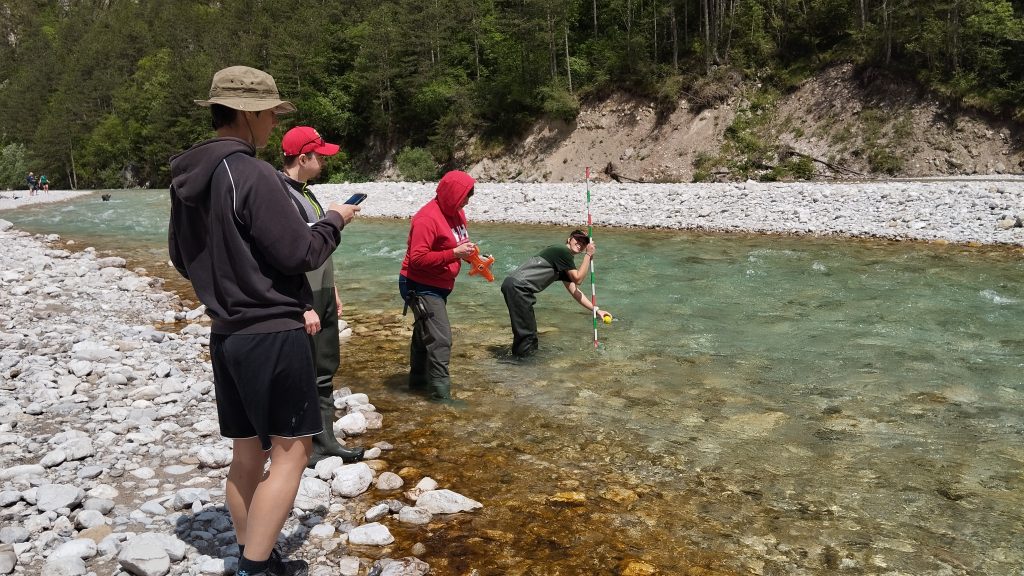
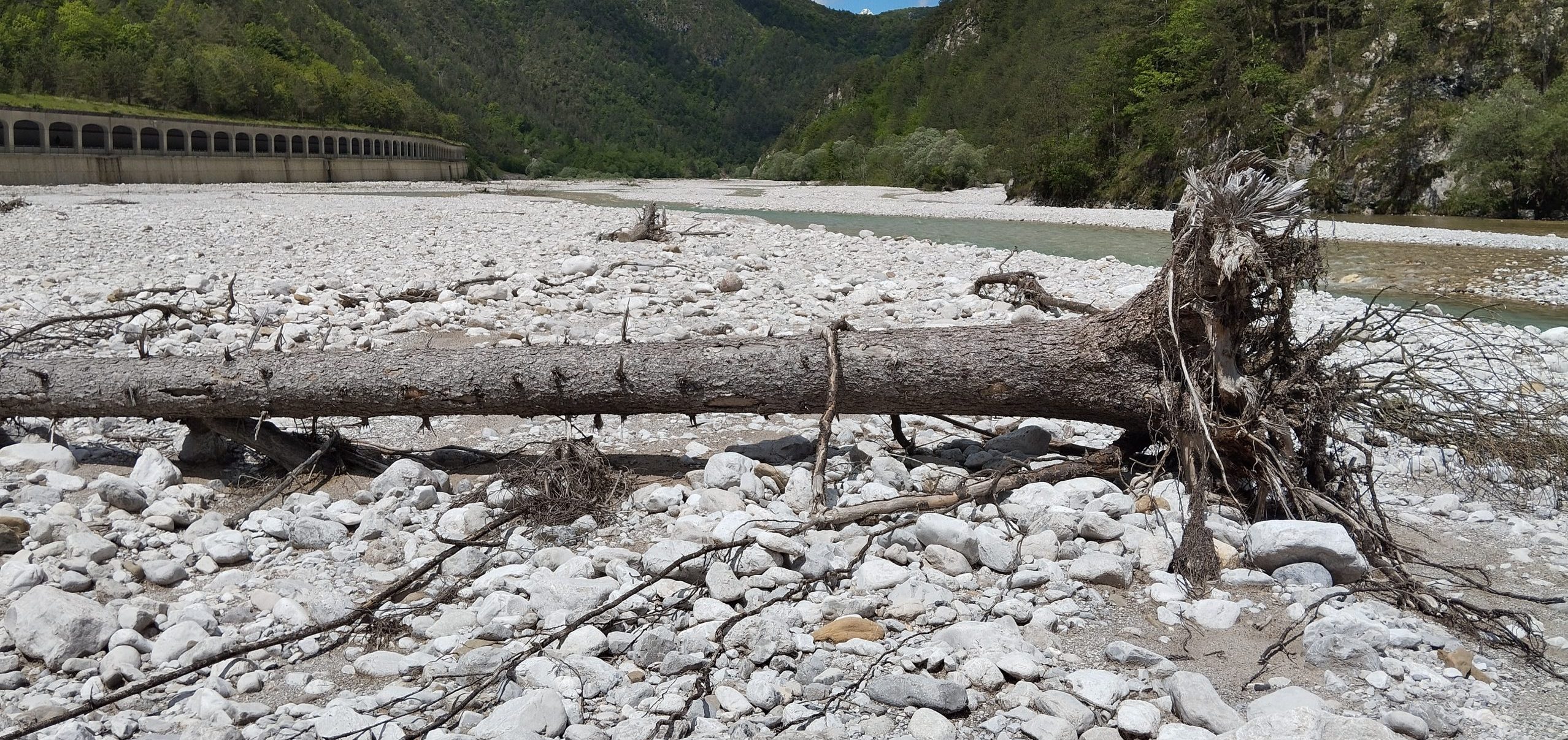
Particularly insightful were observations of gravel bars and sediment deposits within river channels, where some of the most intensive river dynamics occur. Although such features may initially appear insignificant—or even as obstacles within the channel—they play a crucial role in the functioning of river systems.
Throughout the visit, experts repeatedly emphasised that modern water management cannot rely solely on continuous river maintenance and the routine removal of sediment from channels. Across many European countries, there is a growing shift towards approaches that provide rivers with more space to express their natural dynamics. This does not necessarily require large-scale interventions or abandoning flood protection measures; rather, it represents a different way of thinking. Rivers need sufficient room to dissipate energy naturally during high-flow events without increasing flood risks downstream.
Climate Change and Emerging Challenges
RDiscussions among participants frequently addressed the impacts of climate change. Extreme weather events, including both floods and prolonged droughts, are becoming increasingly common. As a result, countries will need to continue adapting their water management practices and developing solutions that are more resilient over the long term.
In many projects, the greatest challenges are not technical in nature. More often, they involve balancing competing interests, securing funding, and making informed spatial planning decisions.
An interesting perspective was shared by Matthew Parr of the Environment Agency in England, who highlighted the issue of “poor intergenerational memory.” People often forget how rivers have changed over time and what consequences past interventions have had. Natural systems, however, retain the legacy of these changes and continue to respond to them for decades.
The lessons from the study visit are highly relevant to Slovenia. Similar challenges can be observed along many regulated watercourses, including the Pšata River.
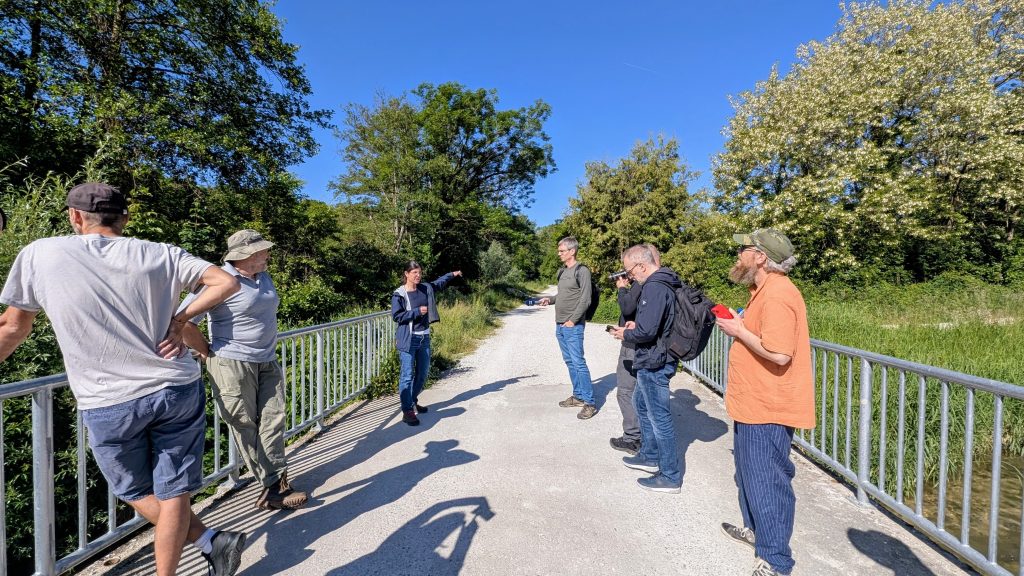
A few days later, the experts also visited the Pšata River catchment, where many of the same water management challenges are evident at the local level. East of the settlement of Suhadole, a flood-relief channel diverts water towards the Kamnik Bistrica River. For many years, this channel was considered an effective flood management solution. However, the floods of 2023 demonstrated that hydrological conditions are changing and that existing systems are often no longer sufficient to cope with increasingly frequent extreme weather events.
From Fragmented Solutions to an Integrated Approach
During the site visit, Romain Beller, River Restoration Project Manager at the Upper Jura Regional Natural Park in France, stressed that rivers cannot be managed in isolation or on a section-by-section basis. Entire river corridors function as interconnected systems and must be understood as such.
According to Beller, many traditional approaches focused primarily on constraining rivers and rapidly conveying water downstream. In contrast, contemporary river management practices across Europe increasingly seek to restore space for water, preserve natural floodplains, and reconnect rivers with their surrounding landscapes.
He also noted that designing similar flood-relief channels according to historical engineering principles would today often conflict with modern European water management policies. Nature-based solutions are becoming increasingly central, with a stronger emphasis on understanding river processes and minimising unnecessary interventions in natural systems.
Following the devastating floods of 2023, substantial financial resources were allocated to river restoration and flood recovery efforts. As a result, many projects are being prepared under tight timelines. Experts caution, however, that rapid and fragmented solutions implemented without a comprehensive understanding of the wider landscape can create new problems in the future.
Experiences from other countries show that some projects have later required significant modifications, while others have even led to the repayment of European funding due to inadequate planning approaches.
These experiences reinforce an increasingly important question: how can rivers be managed more holistically—not merely as infrastructure challenges, but as integral components of broader landscapes where natural processes, settlements, agricultural land, and the needs of local communities intersect?
Looking Ahead
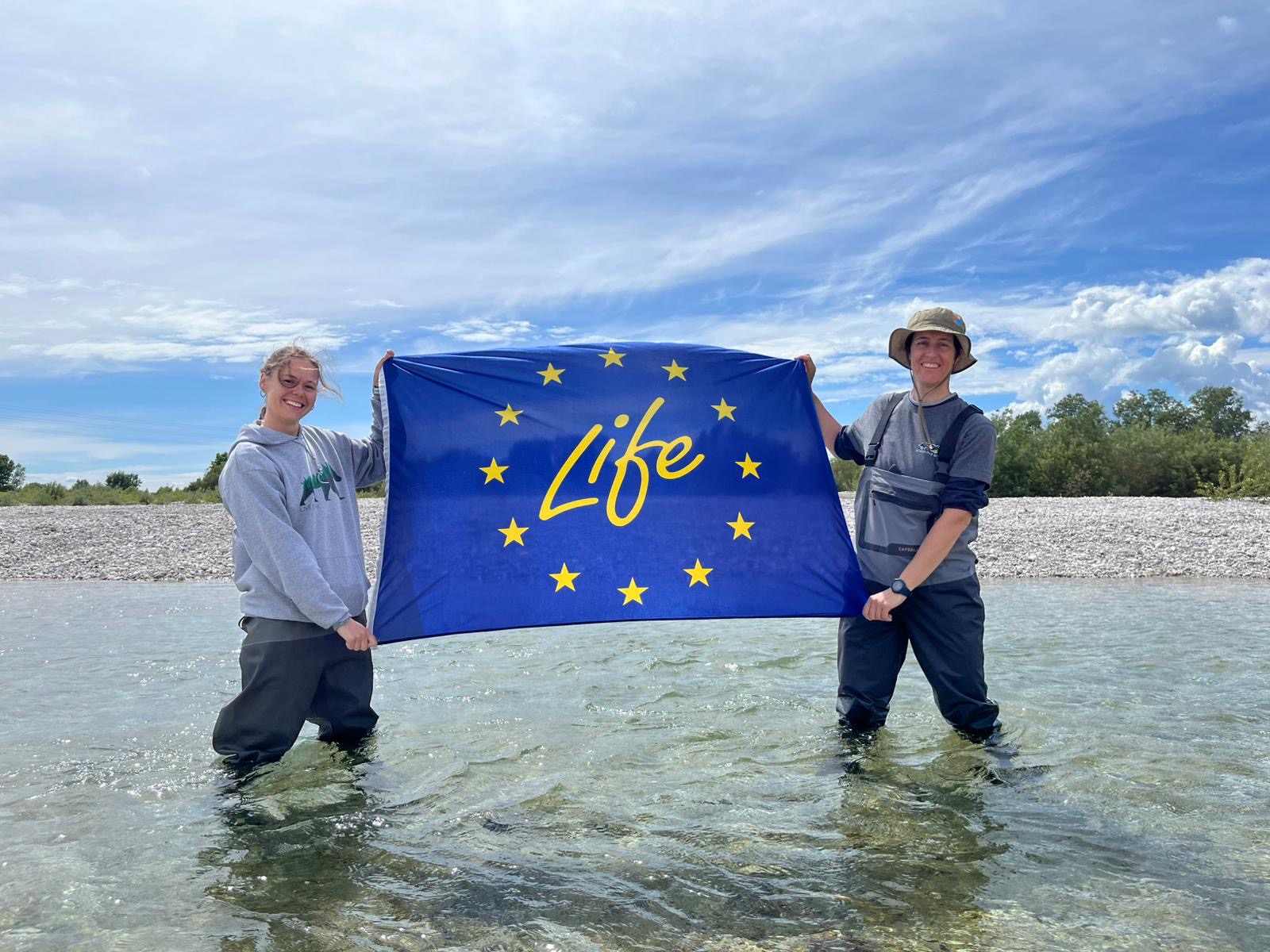
The LIFE2RIVERS project is dedicated to improving the condition of watercourses and promoting modern, nature-based approaches to river management. Its objectives include creating more resilient river ecosystems, reducing flood risk, and simultaneously preserving biodiversity and the quality of life for local communities.
Collaboration with experts from different countries provides a valuable opportunity to exchange knowledge and learn from diverse experiences. It also serves as an important reminder that the future of river management is unlikely to depend on ever-greater control over nature. Instead, it will increasingly rely on a deeper understanding of river systems and on finding a sustainable balance between people and water.