World Environment Day: Inspired by Nature. For Climate. For Biodiversity. For Our Future.
Nature has always been our greatest teacher. Within its rhythms lie lessons in balance, adaptation, cooperation, and resilience. As we face increasingly frequent climate extremes, biodiversity loss, and ecosystem degradation, it is becoming ever clearer that nature itself offers many of the solutions we urgently need. Each year, World Environment Day reminds us that a healthy planet is the foundation of our existence—and that protecting it is a responsibility we all share.
Natural Systems as Allies in Addressing Climate Change
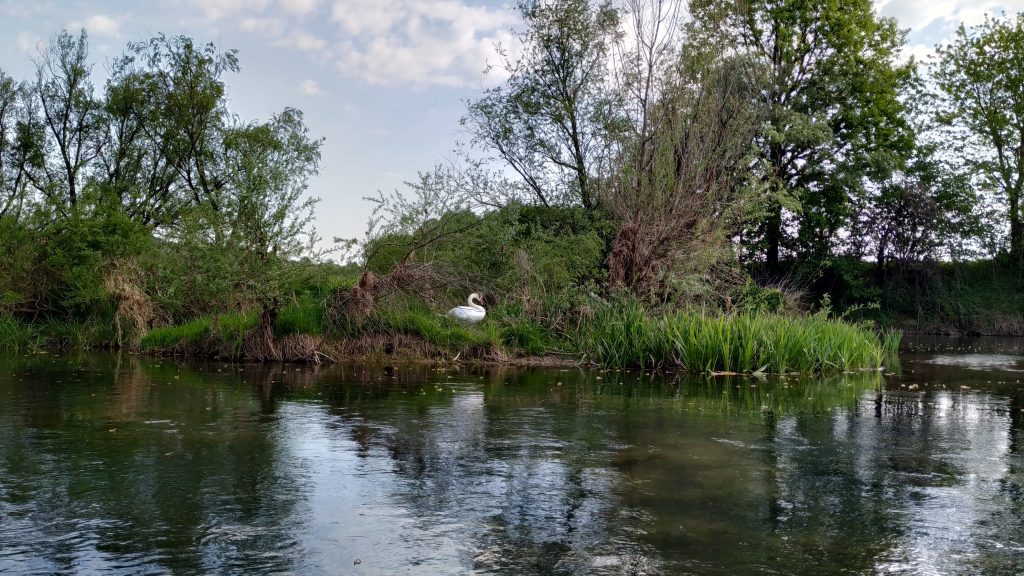
Healthy forests, rivers, wetlands, oceans, and grasslands are far more than elements of our natural heritage. They are vital allies in mitigating climate change, storing carbon, regulating temperatures, retaining water, preventing erosion, and providing habitats for countless species. At the same time, they underpin many of the ecosystem services upon which our health, economies, and quality of life depend.
As climate and environmental challenges continue to intensify, so too does the understanding that we must work with nature rather than against it when planning for the future. Nature-based Solutions (NbS) have therefore become one of the most important approaches in contemporary spatial and environmental planning—from restoring floodplains and implementing sustainable water management practices to revitalising degraded landscapes and conserving biodiversity.
The Role of Rivers in a Climate-Resilient Future
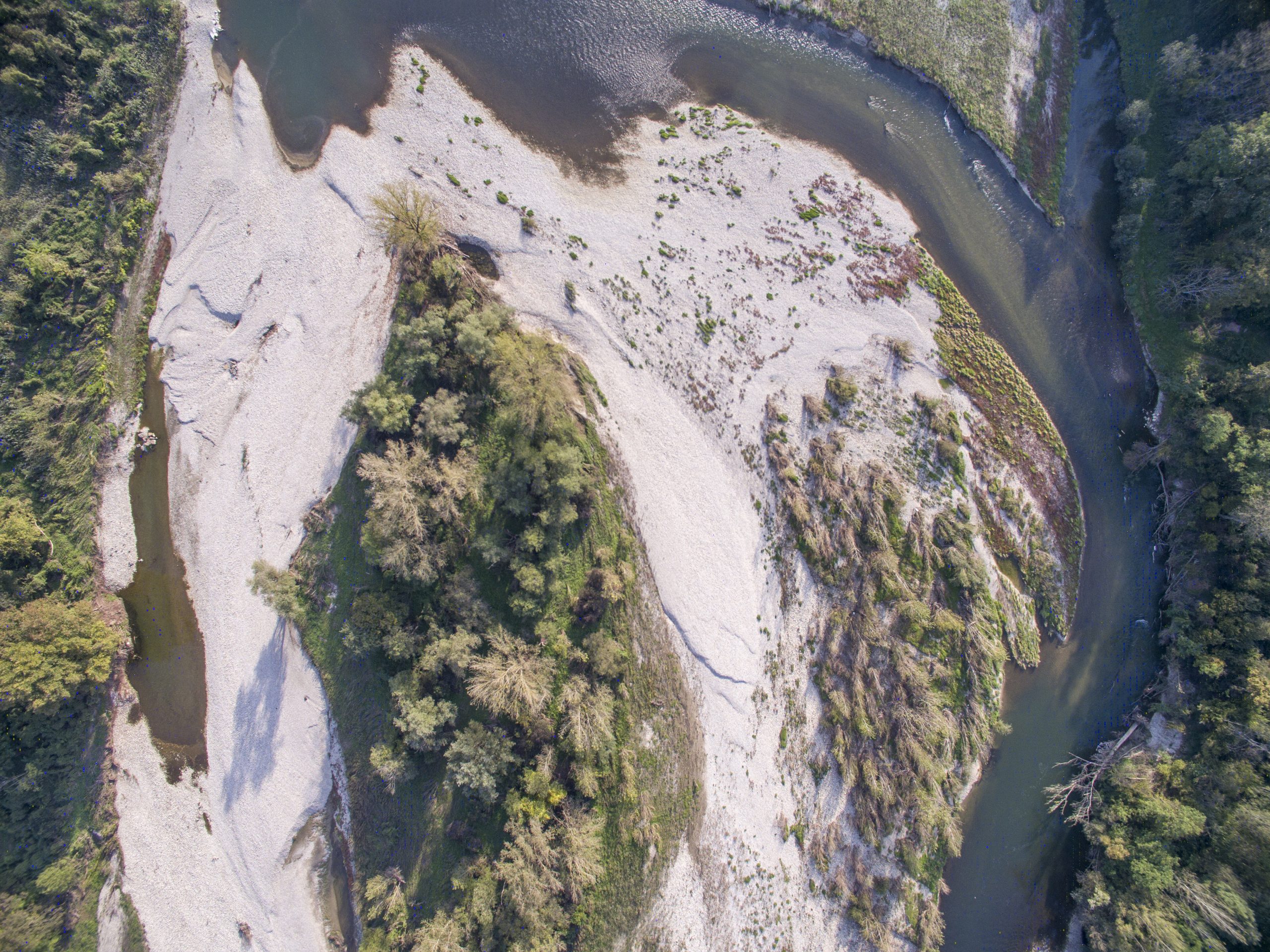
Rivers are living systems that connect landscapes, communities, and ecosystems. Their ecological health influences water quality, biodiversity, resilience to floods and droughts, and the overall stability of the environment. When rivers lose their natural dynamics—when they are overly constrained, channelised, or heavily modified—they also lose many of the essential functions they provide.
The LIFE2RIVERS project is founded on this understanding. Our goal is to improve the condition of river ecosystems, strengthen their natural resilience, and contribute to more sustainable water management practices. Through the restoration of degraded river sections, the reconnection of floodplains, habitat enhancement, and the active involvement of local communities, we are creating conditions that allow rivers to perform their natural functions once again—for the benefit of both nature and people.
Nature as a Partner in Designing Solutions
Nature offers knowledge that is often overlooked: how water naturally spreads across floodplains, how forests retain rainfall, how wetlands filter water, and how ecosystems recover after disturbance. By understanding these processes and integrating them into planning and decision-making, we can develop solutions that are effective, sustainable, and resilient over the long term.
Every nature-based action—from restoring river channels and planting trees to protecting wetlands—represents a step towards a more resilient future. World Environment Day reminds us that protecting nature is inseparable from addressing climate change, conserving biodiversity, and safeguarding the well-being of future generations.
Together for the Future We Want
The future we aspire to depends on the decisions we make today. With every restored ecosystem, every nature-positive intervention, and every collaboration between experts, communities, and decision-makers, we lay the foundations for a healthier, safer, and more balanced environment.
Let World Environment Day inspire us to continue learning from nature—and, above all, to transform that inspiration into meaningful action.