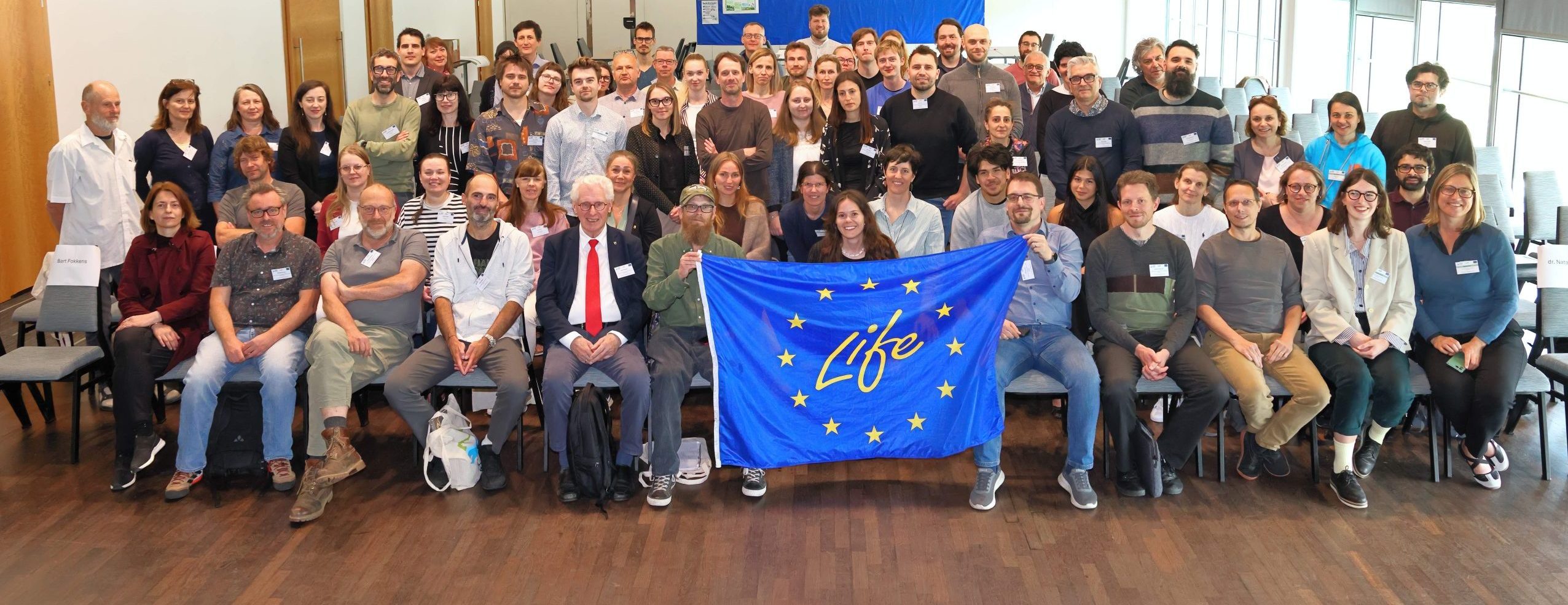
International Congress »Življenje rekam«
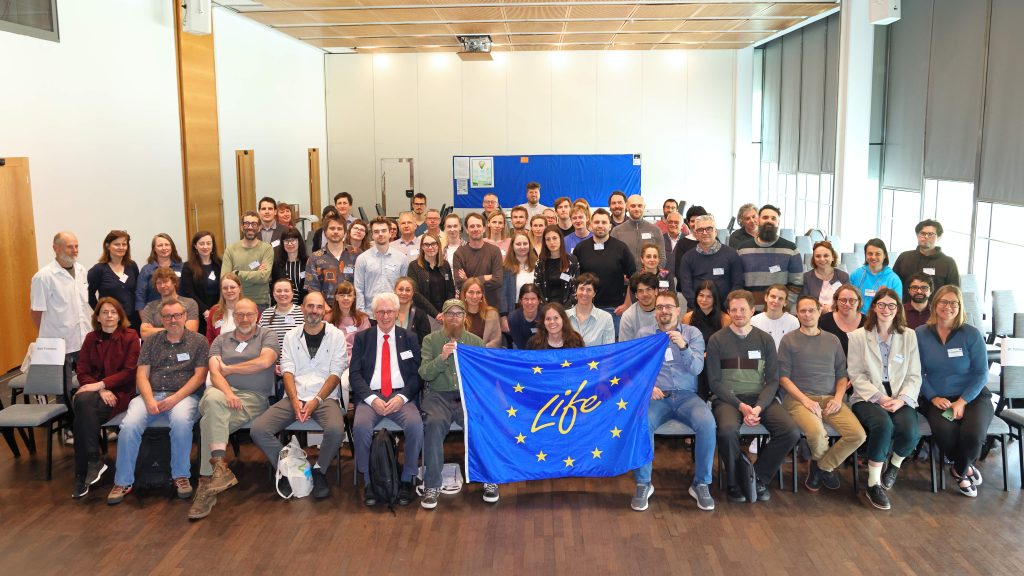
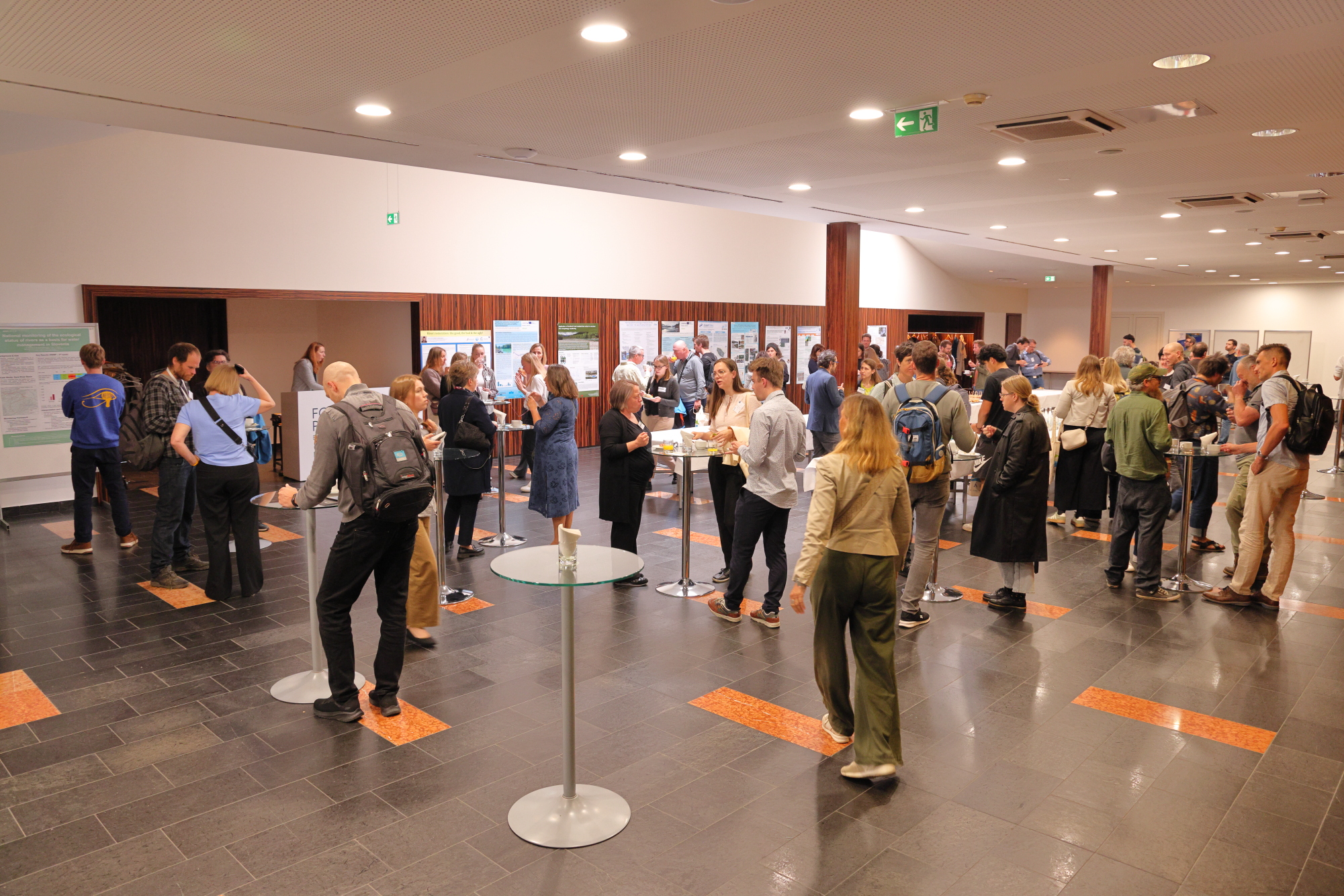
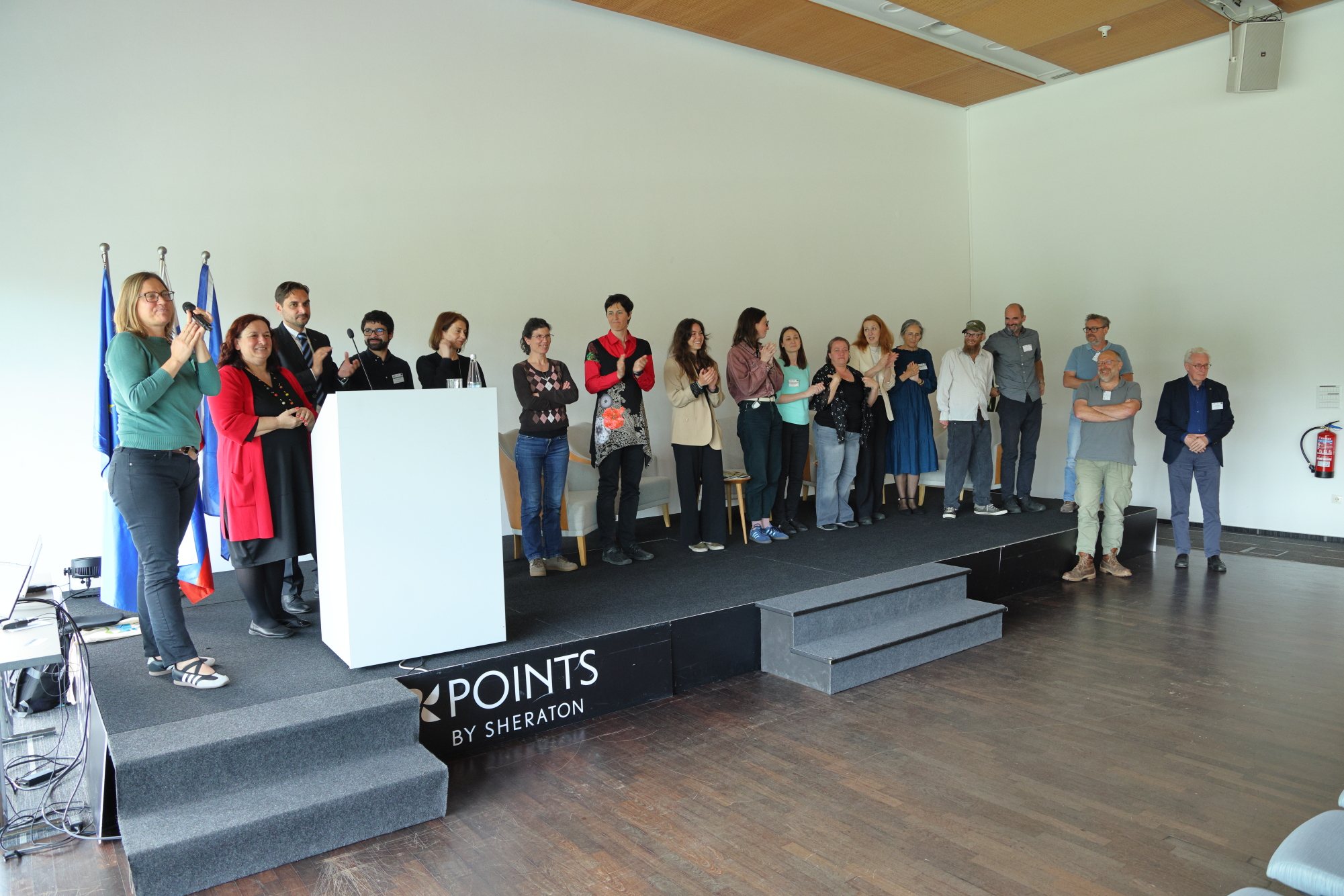
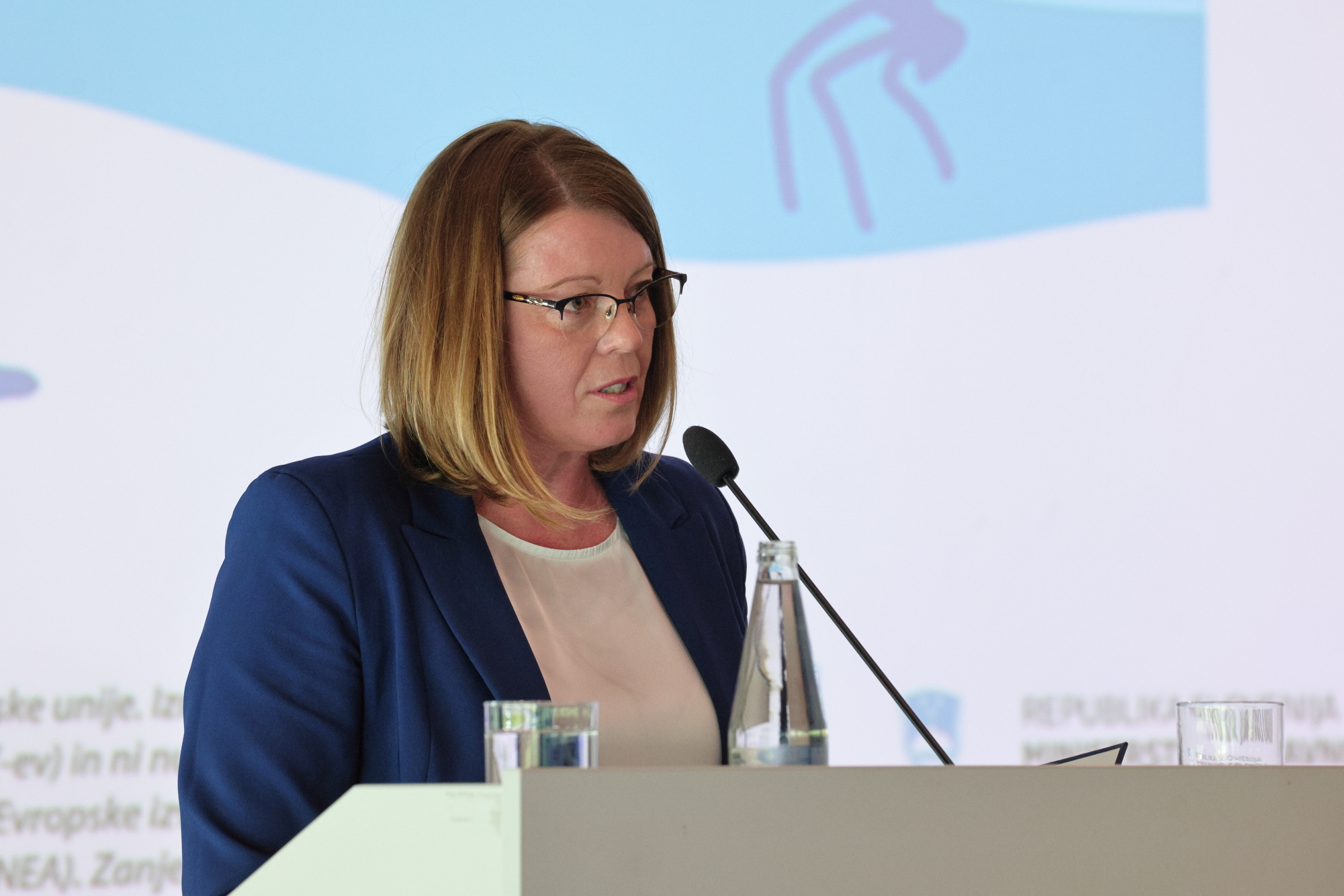
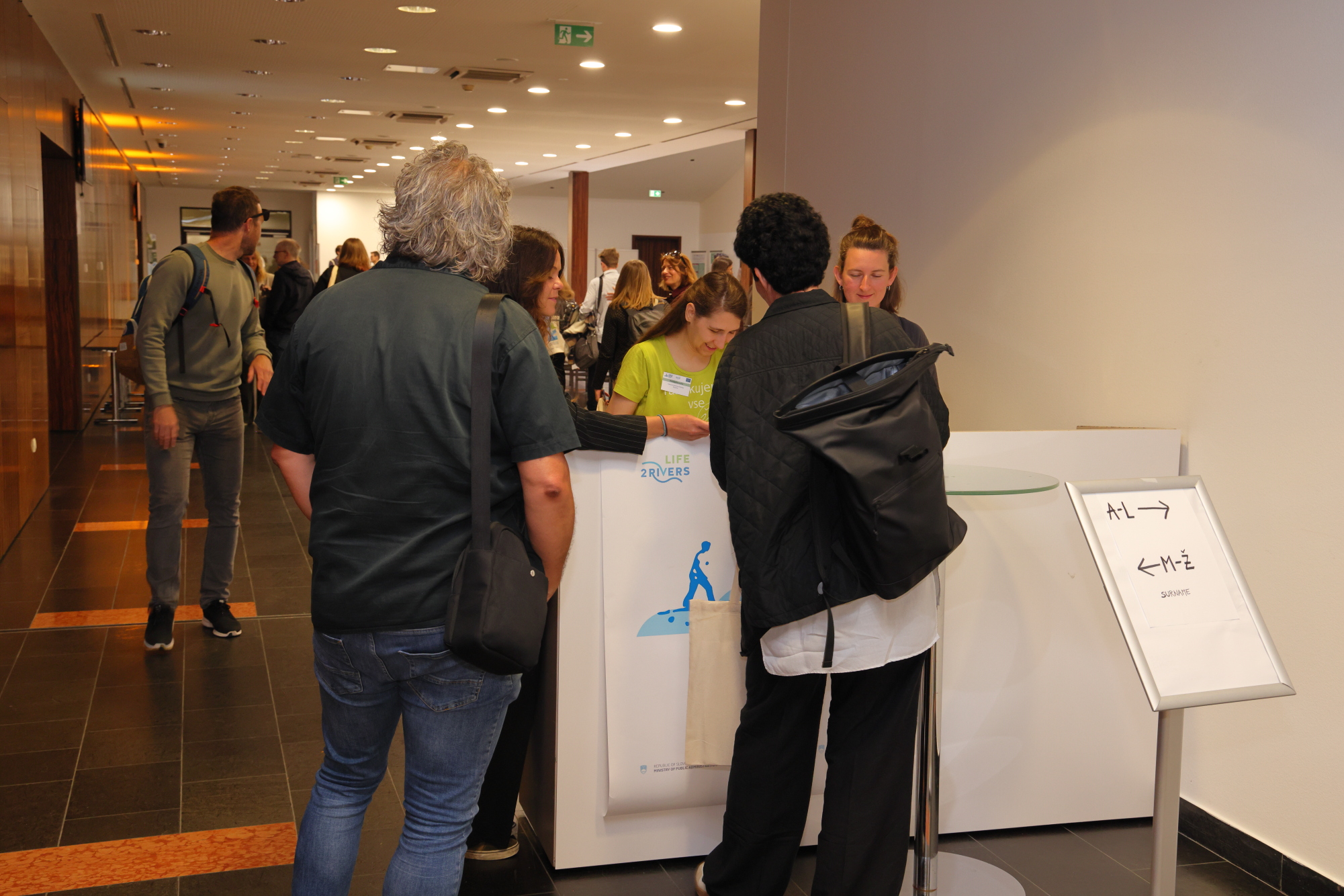
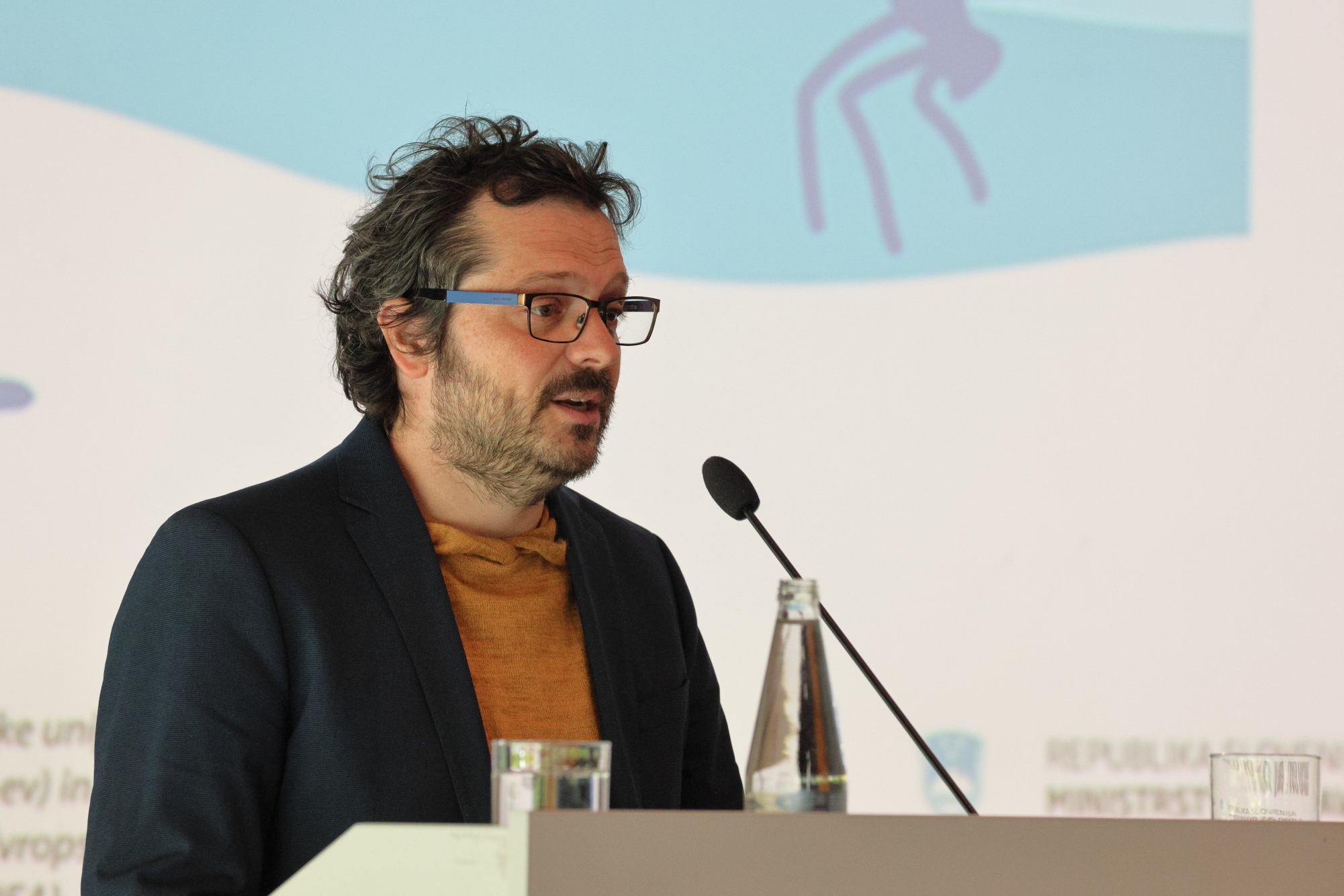
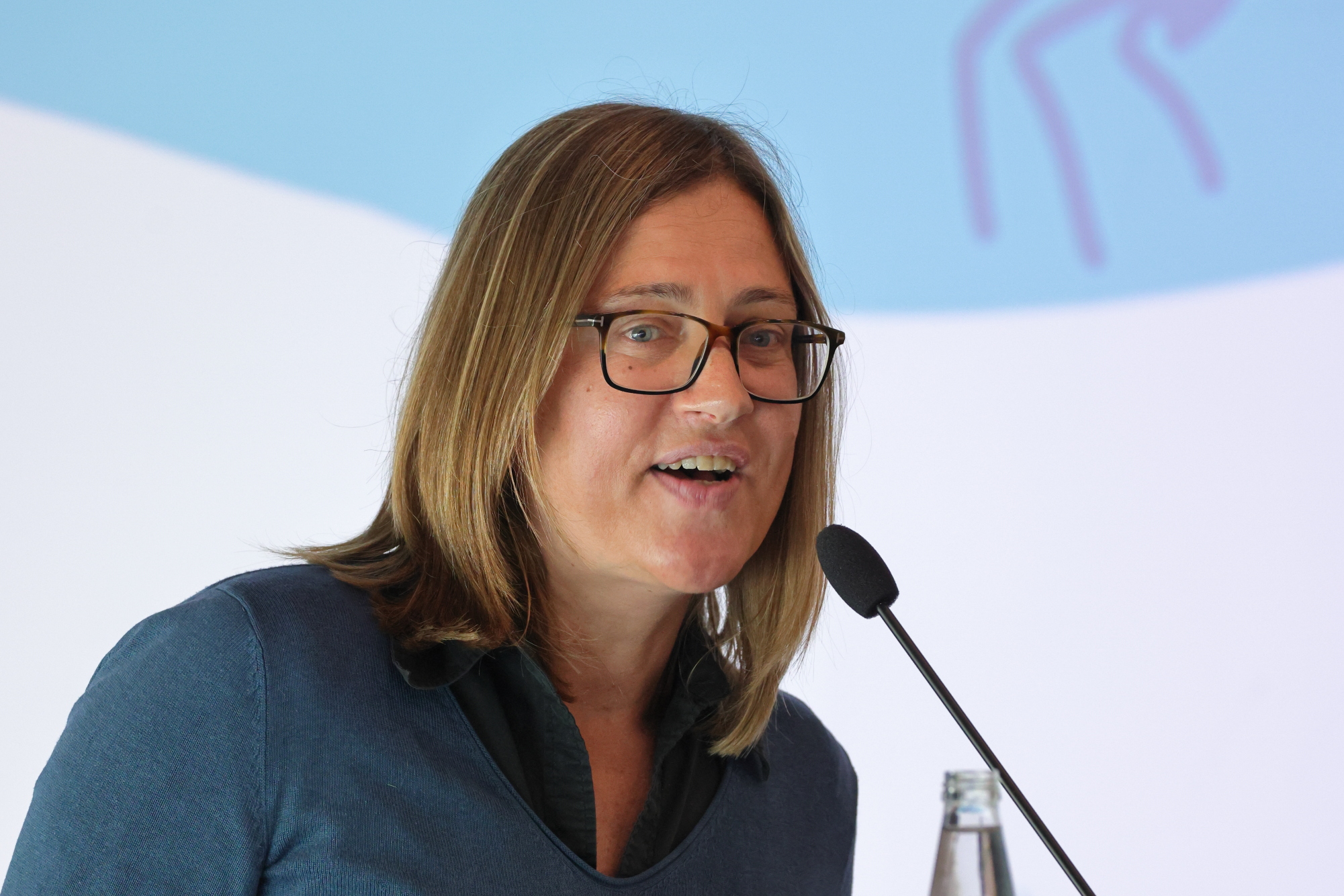
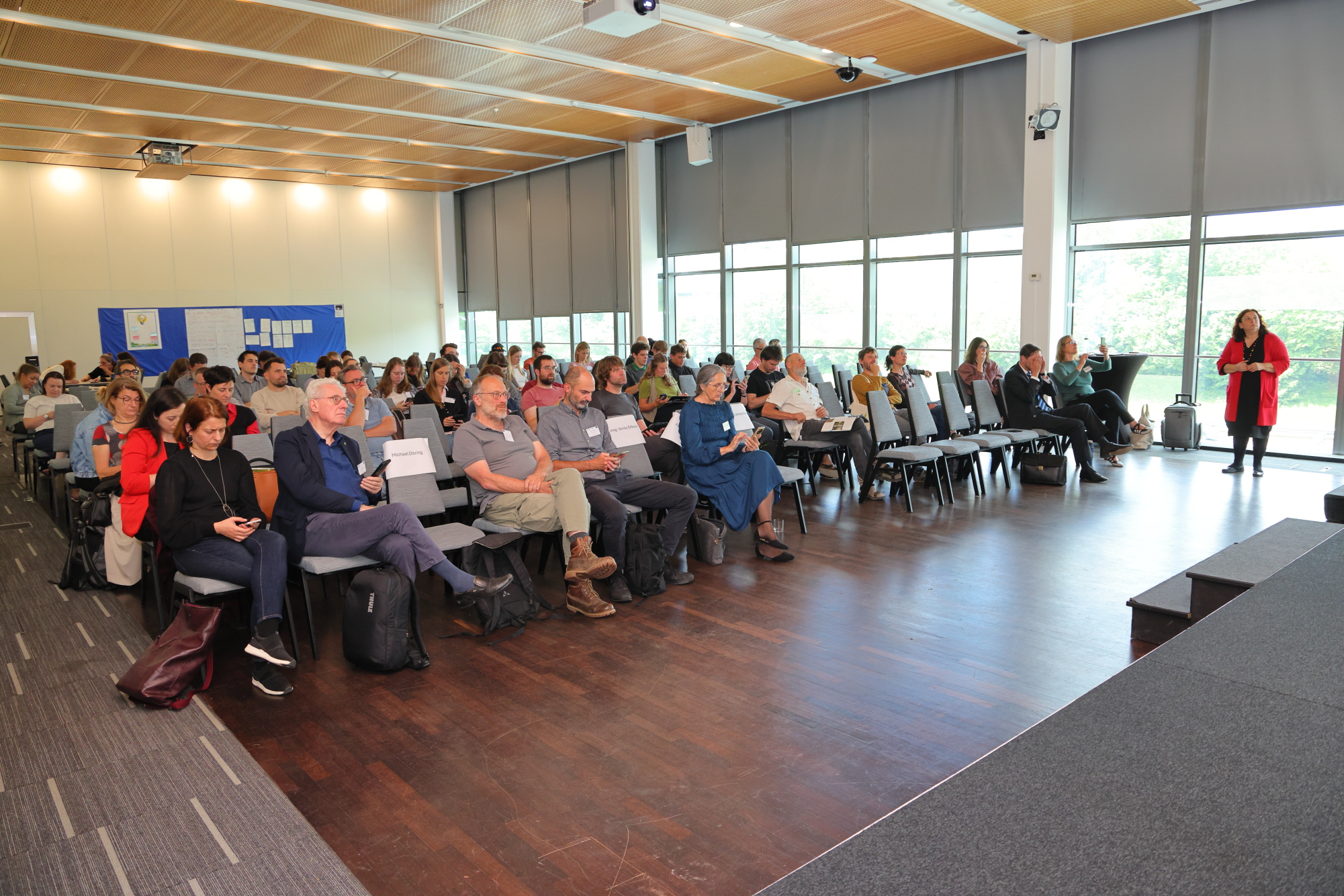
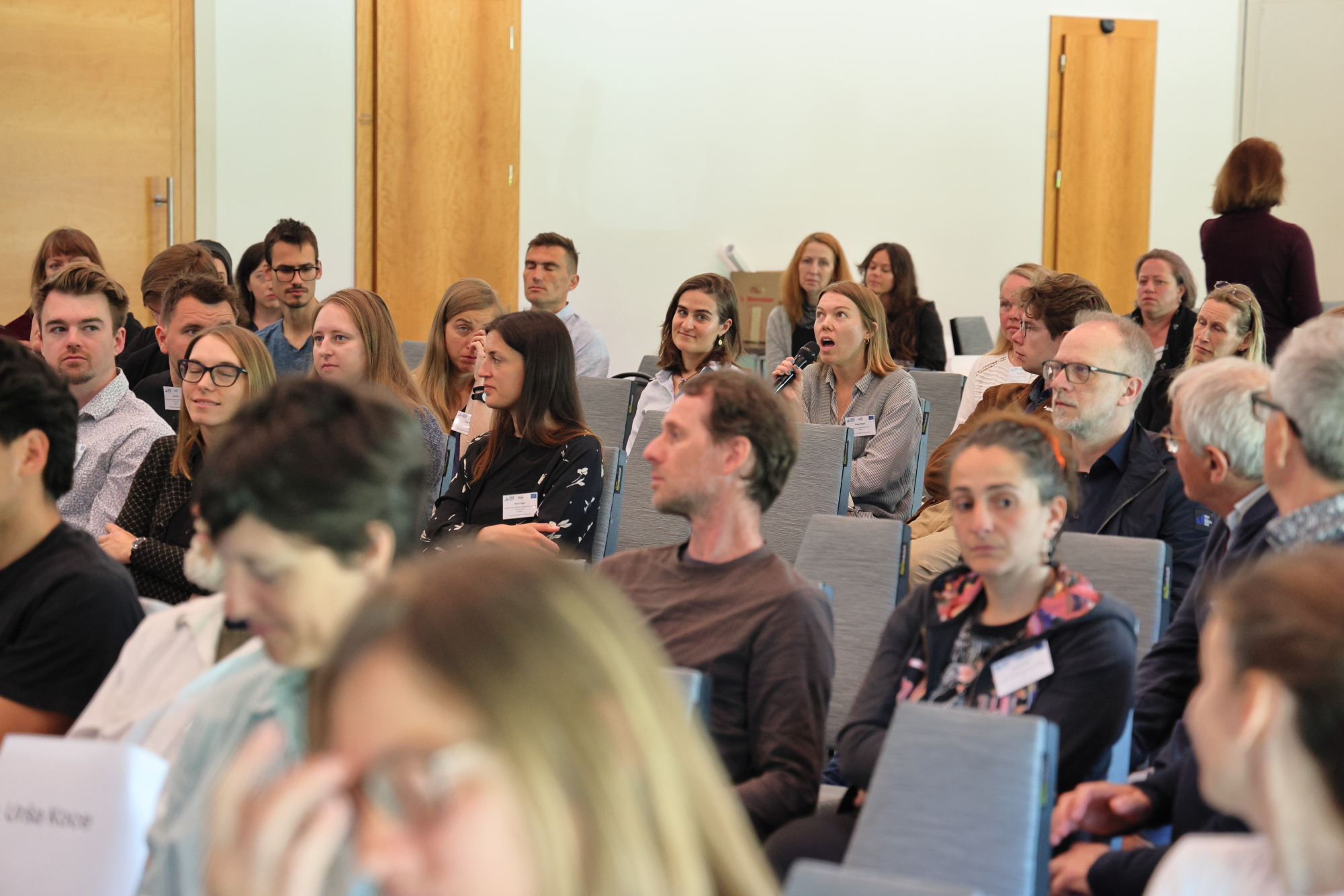
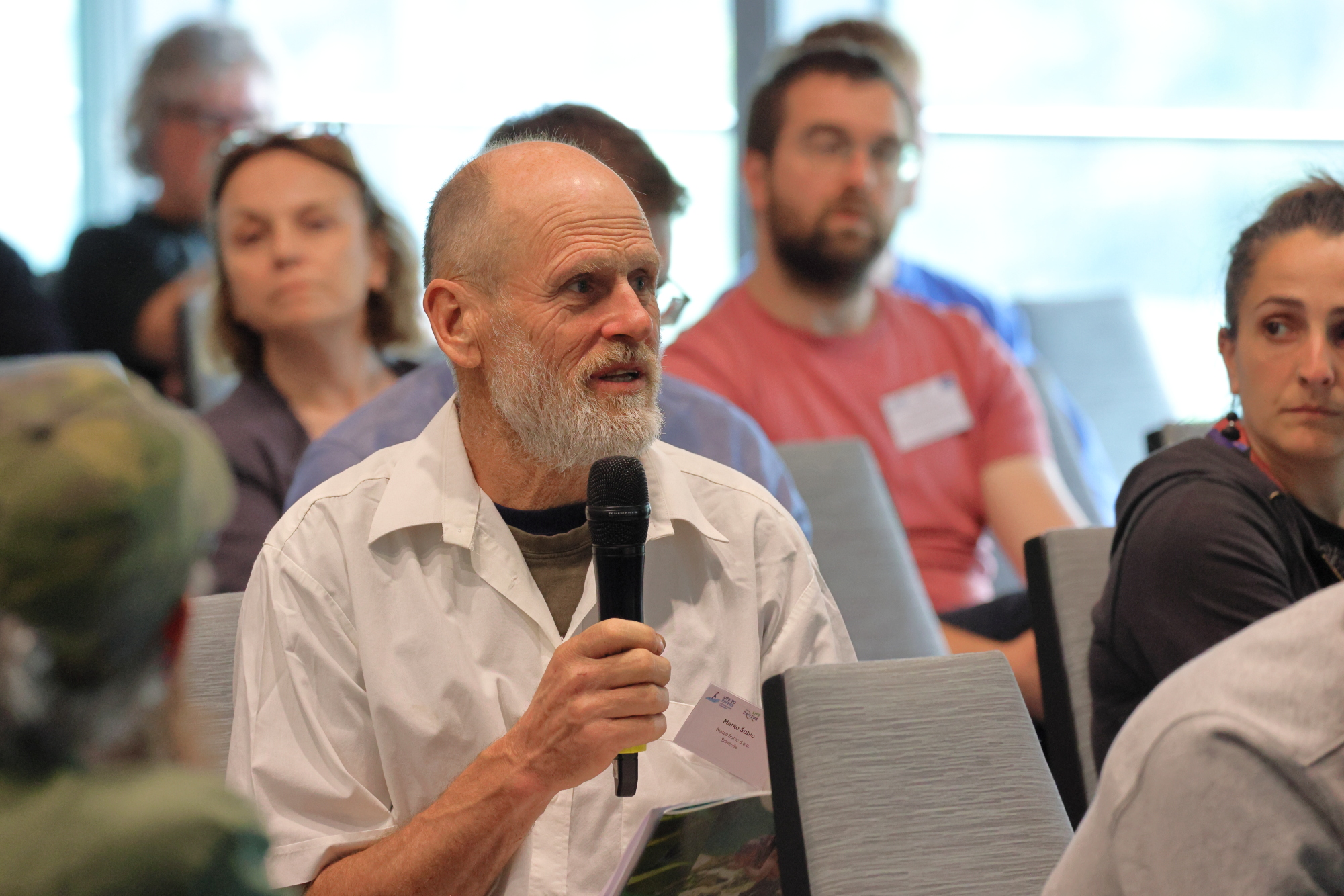
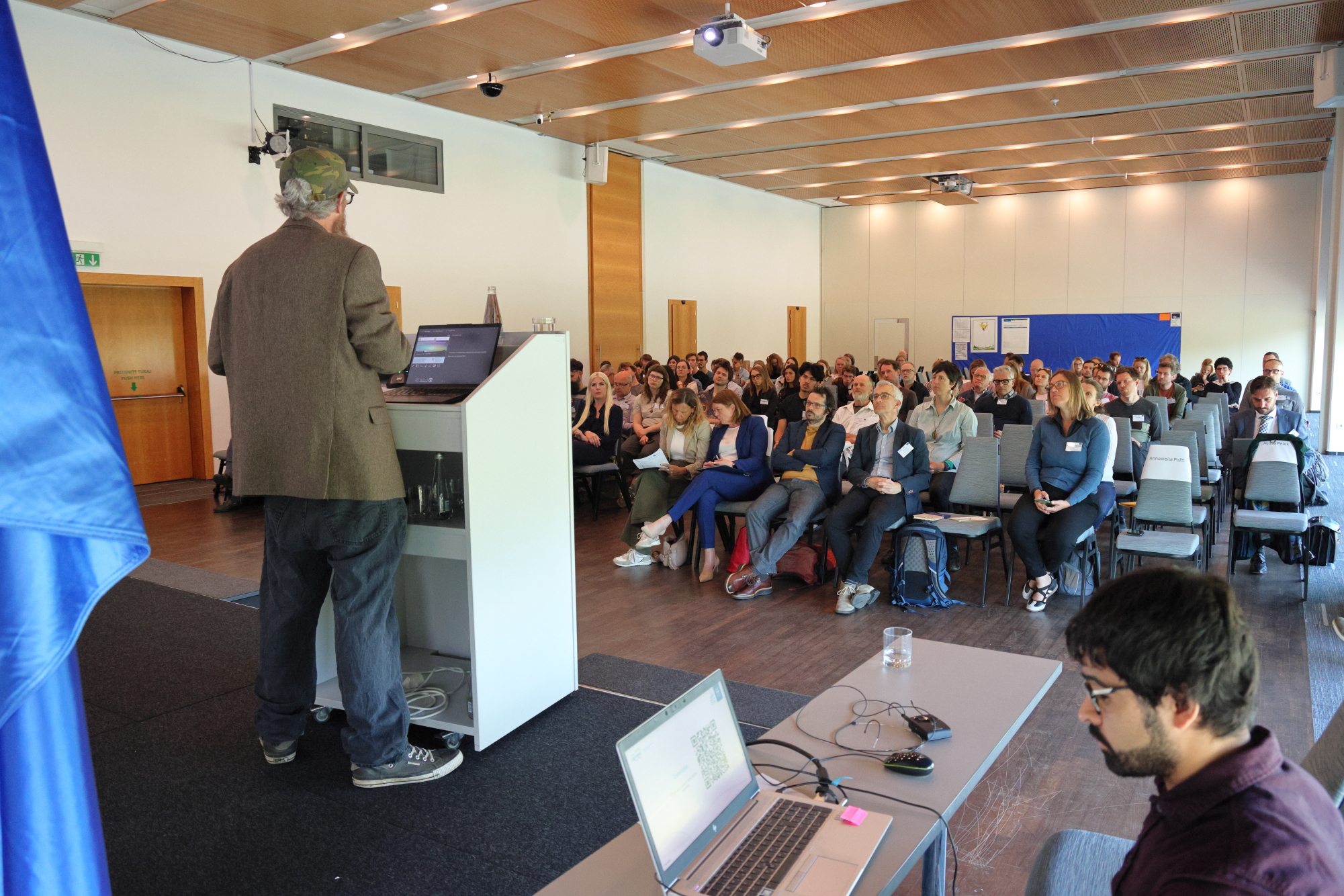
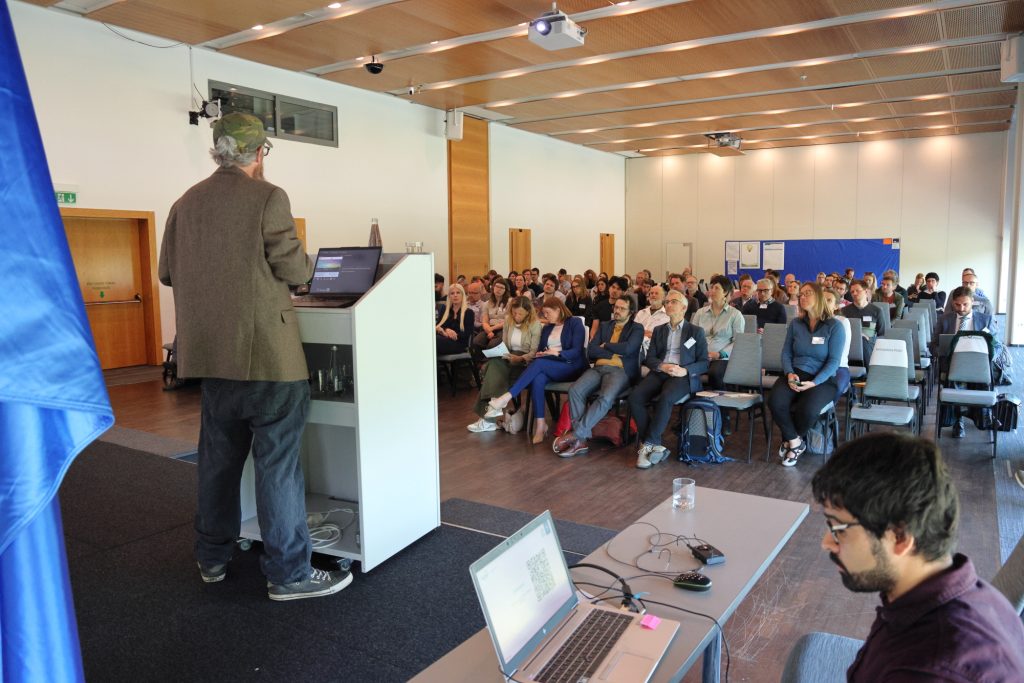
From 19 to 21 May 2026, the International Congress “Življenje rekam” was held in Ljubljana as part of the LIFE2RIVERS project. The event brought together more than 120 experts from Slovenia and abroad. Over the course of three days, researchers, water managers, representatives of government institutions, local authorities, non-governmental organisations, and international bodies gathered to discuss the future of rivers, contemporary approaches to water management, and the urgent need to adapt to climate change.
The congress served as a meeting point for professionals working in water management, nature conservation, river restoration, and spatial planning, as well as policymakers, civil society representatives, and local communities. A clear message emerged from the discussions: the future of rivers will depend not only on technical solutions, but also on collaboration, providing more space for rivers, and understanding rivers as living ecosystems.
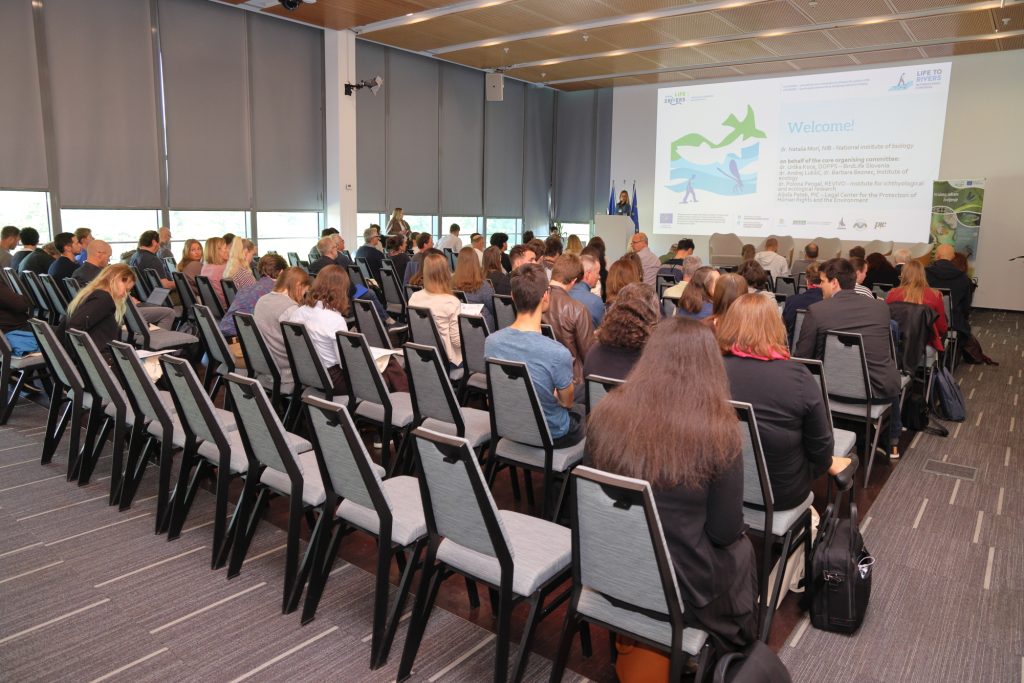
The Future of Rivers Requires Space and Cooperation
The opening day focused on how rivers are understood in Slovenia and the role they are given within the landscape. Speakers highlighted that river restoration is no longer merely a technical challenge; it is increasingly a question of spatial planning, balancing competing interests, and making responsible decisions about land and water management.
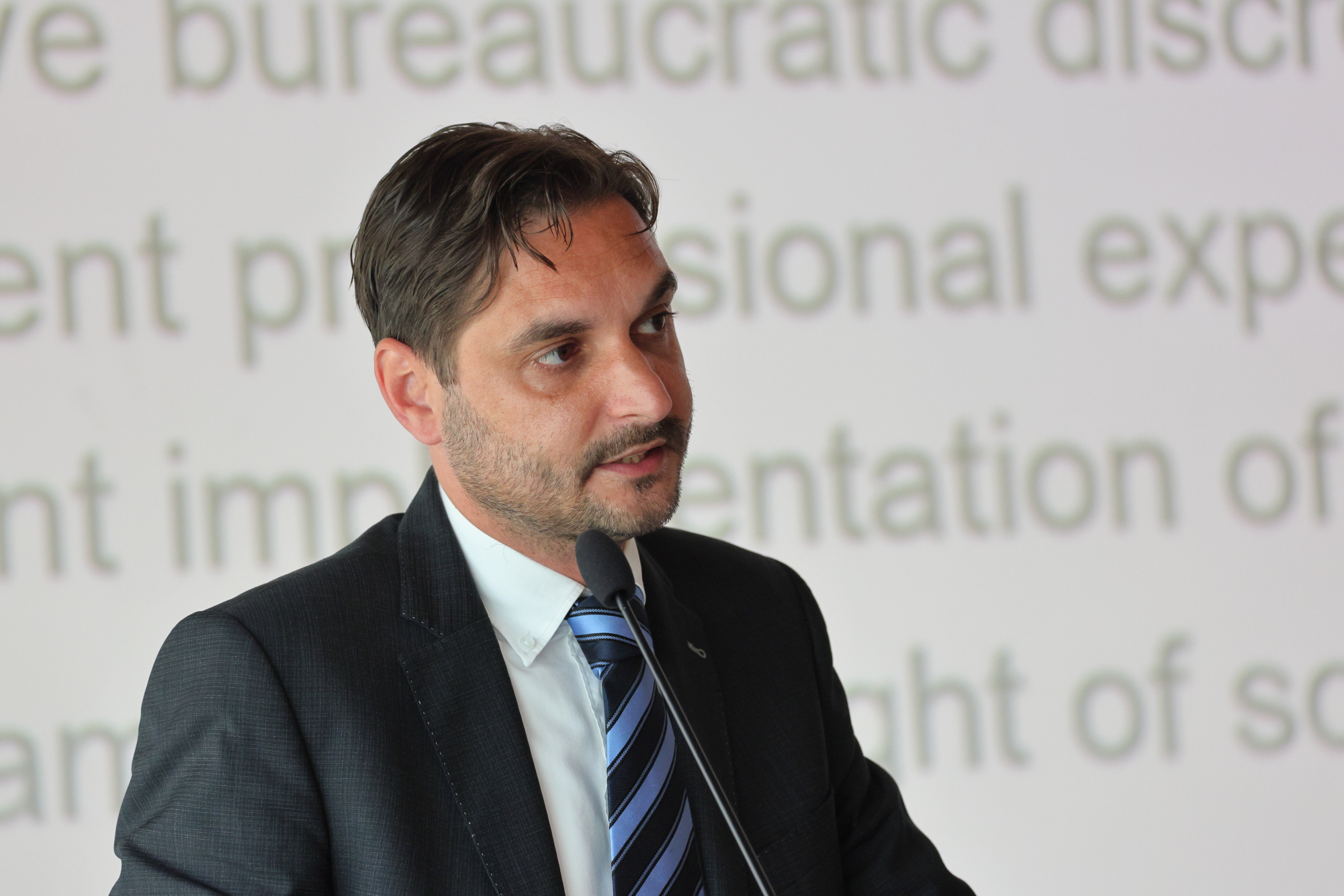
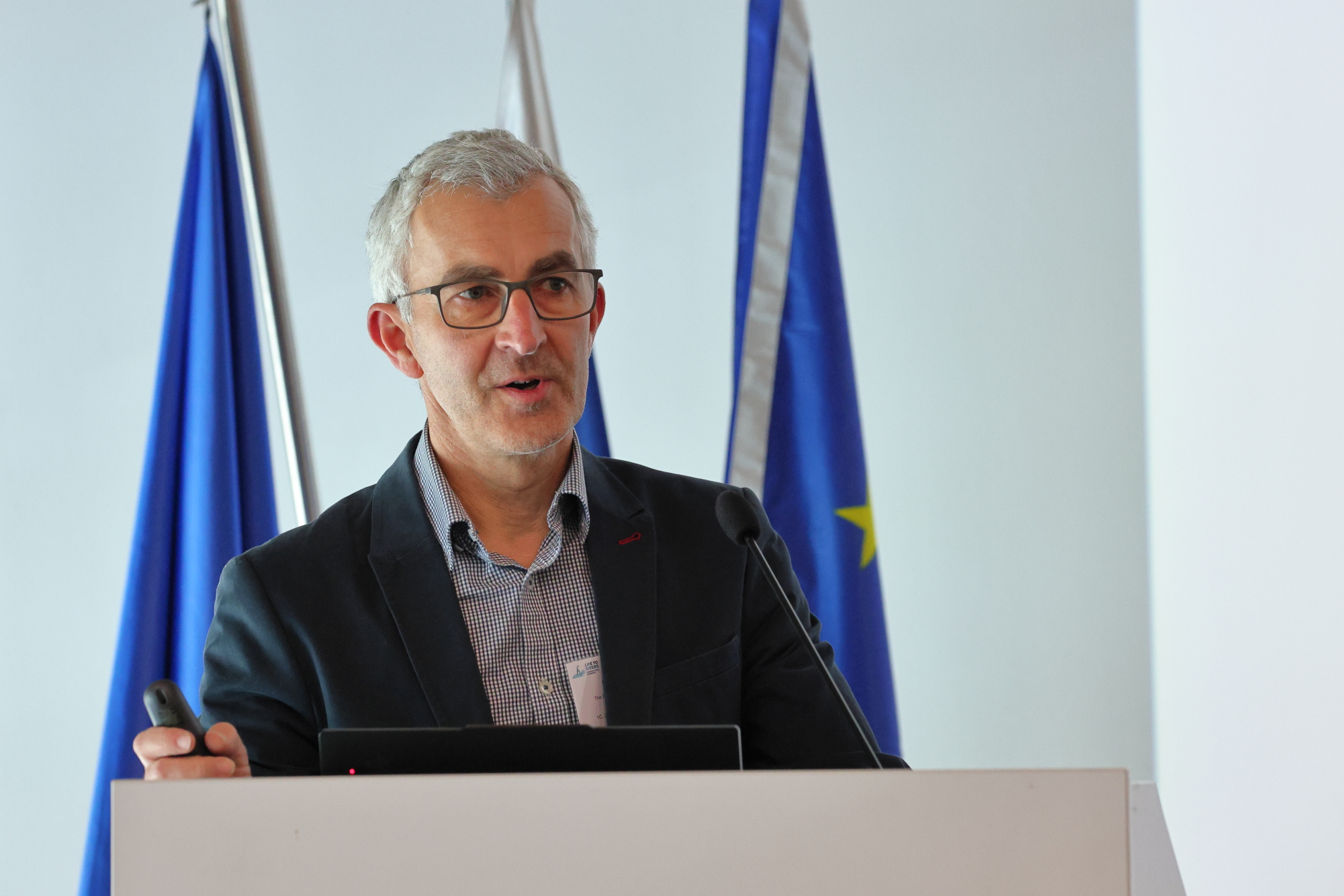
Dr Lidija Globevnik, Director-General of the Water Directorate, emphasised the importance of an integrated approach to water management. Dr Lidija Kegljevič Zagorc, Acting Director of the Slovenian Water Agency, highlighted the role of Nature-based Solutions (NbS) and stressed the need for stronger collaboration between science, professional practice, civil society, and decision-makers in developing sustainable and climate-resilient approaches.
Assoc. Prof. Dr Damijan Denac pointed out that European rivers have been heavily modified and that the future of water management depends on closer cooperation between the water management and nature conservation sectors. According to him, long-term improvements in river conditions can only be achieved by restoring natural processes within river corridors.
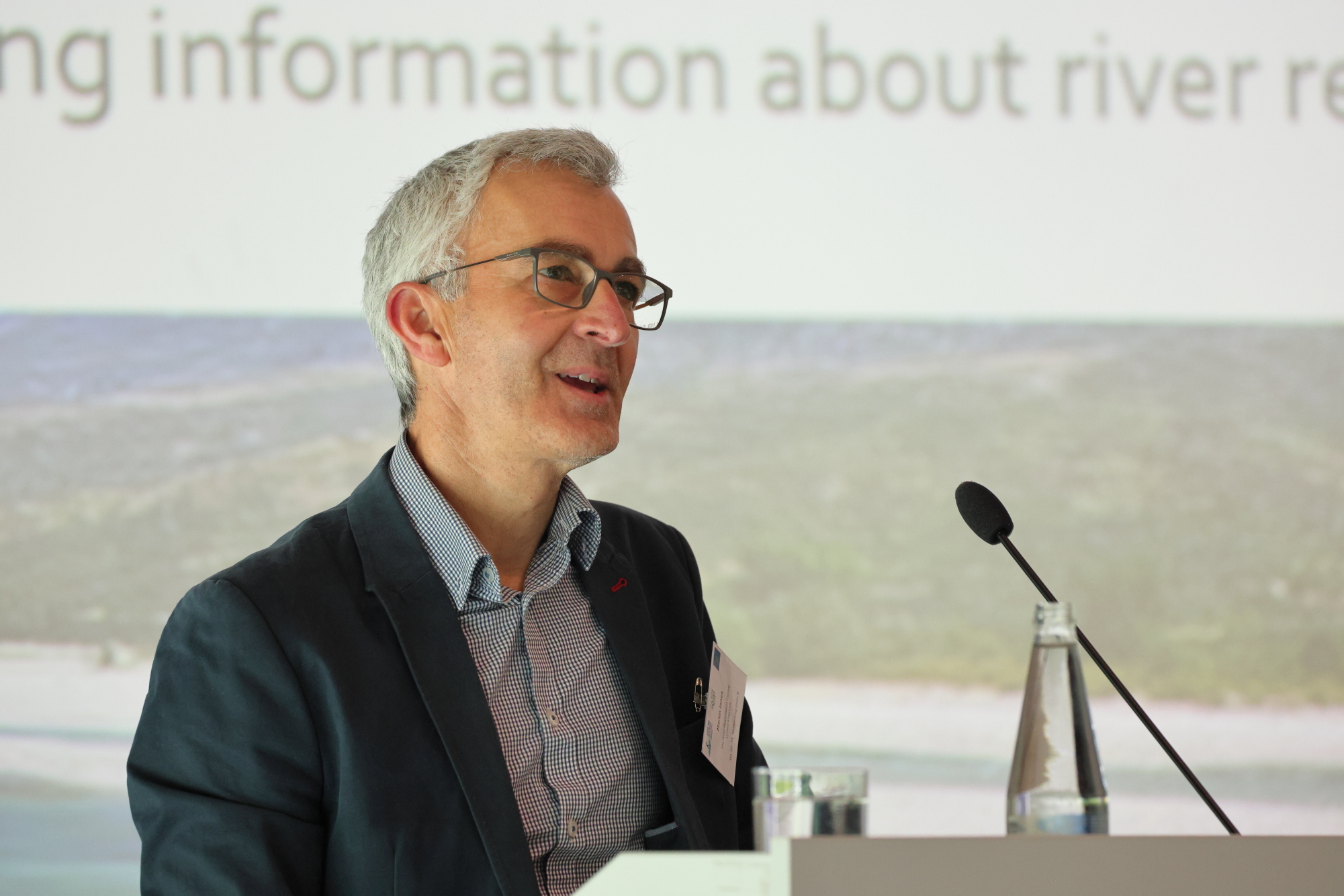
Assoc. Prof. Dr Anže Županič emphasised that Nature-based Solutions can significantly strengthen society’s resilience to droughts, floods, and other impacts of climate change, while Martin Janes, President of the European Centre for River Restoration (ECRR), highlighted the importance of sharing experiences and transferring good practices across Europe.
The opening addresses clearly demonstrated that the future of rivers requires dialogue, cooperation, and the ability to connect scientific knowledge, practical experience, and societal interests.
Nature-based Solutions at the Centre of the Debate
The second day of the congress was dedicated entirely to Nature-based Solutions (NbS).
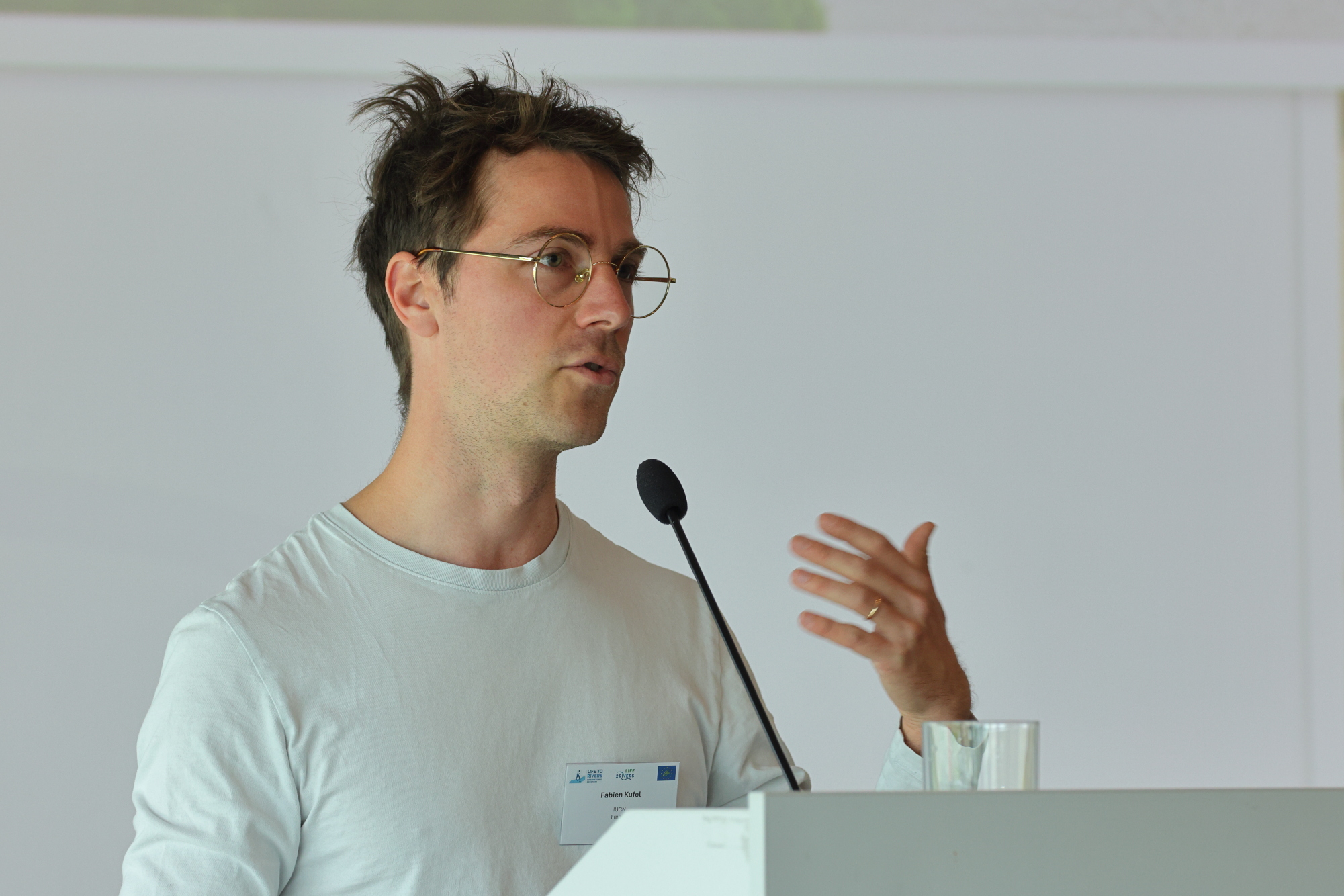
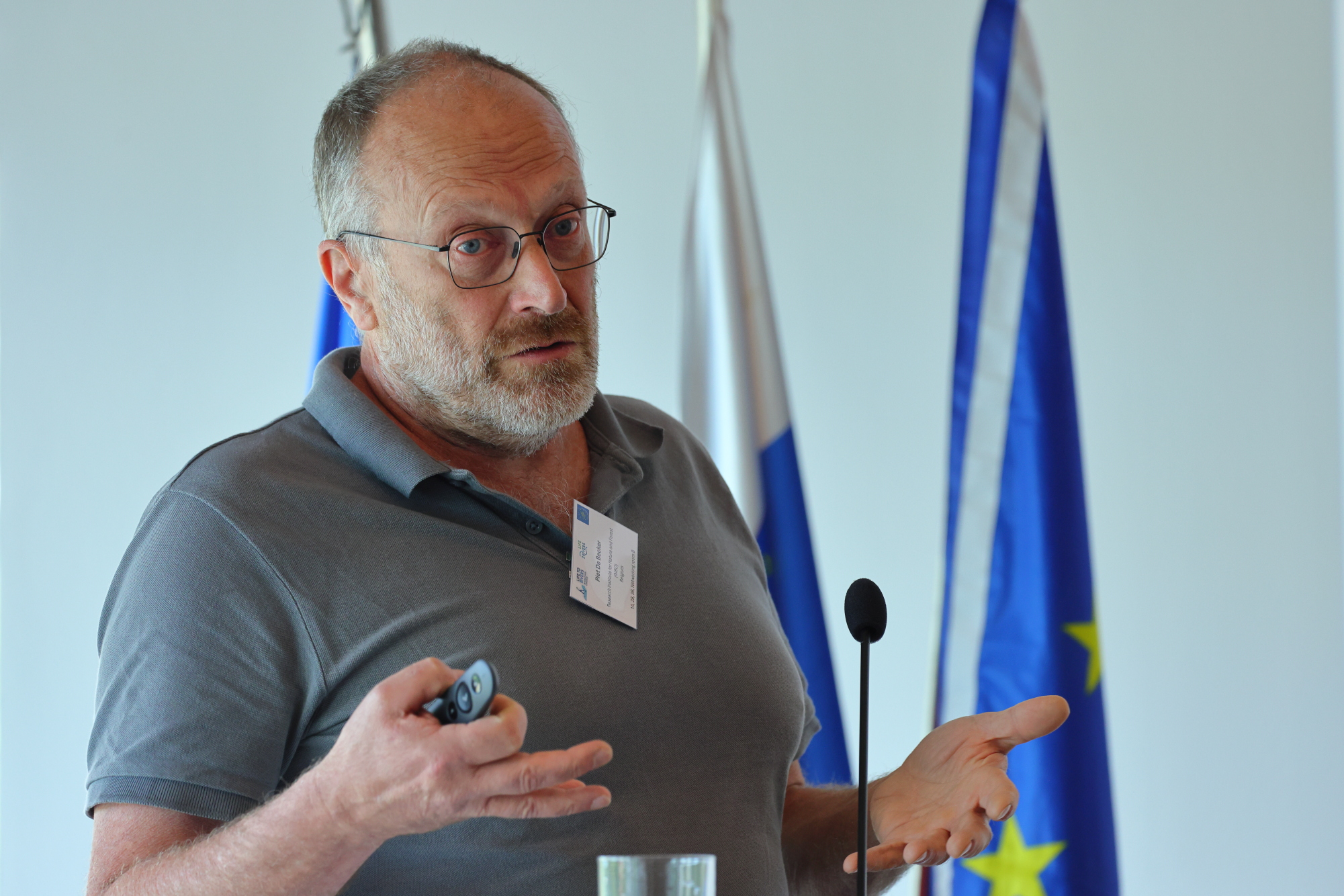
Fabien Kufel of the IUCN presented the Global Standard for Nature-based Solutions, emphasising that NbS are far more than “green projects.” They represent a comprehensive planning approach that restores natural processes while simultaneously reducing societal risks, improving quality of life, and strengthening biodiversity. Healthy ecosystems, he noted, are not only elements of nature but also essential infrastructure that stores water, reduces flood risk, mitigates droughts, and improves water quality.
Piet De Becker from the Belgian Research Institute for Nature and Forest (INBO) illustrated this concept through the example of Leuven, where authorities chose to restore the floodplain of the Dijle River instead of constructing dry retention basins. The case demonstrated that successful solutions require space, time, dialogue, and trust. As the speaker pointed out, Belgium needed nearly 25 years to shift towards this new approach.
The presentations throughout the day confirmed that Nature-based Solutions are among the most effective responses to the growing impacts of climate change while simultaneously improving aquatic ecosystems and enhancing quality of life.
Workshops as Laboratories of Ideas
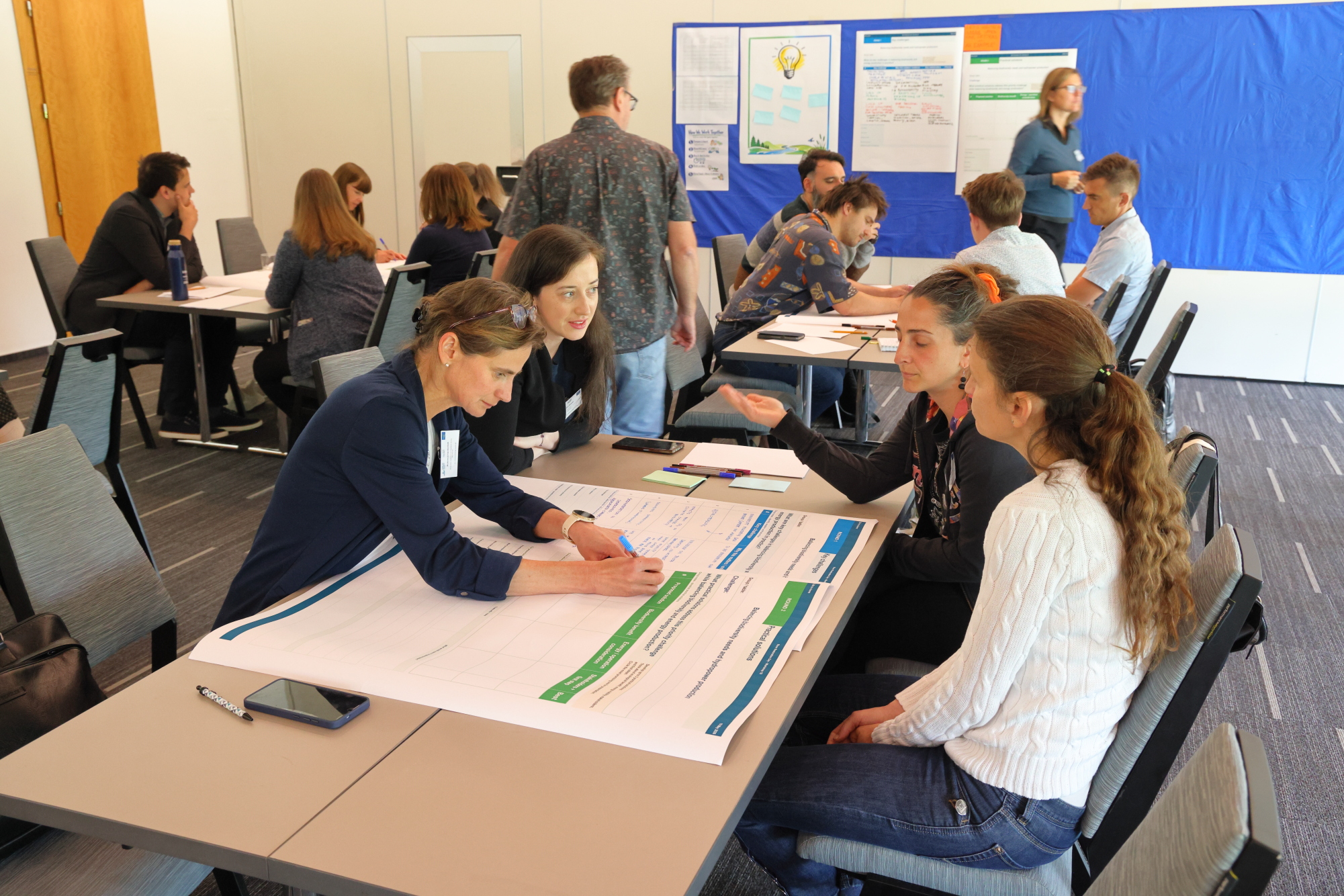
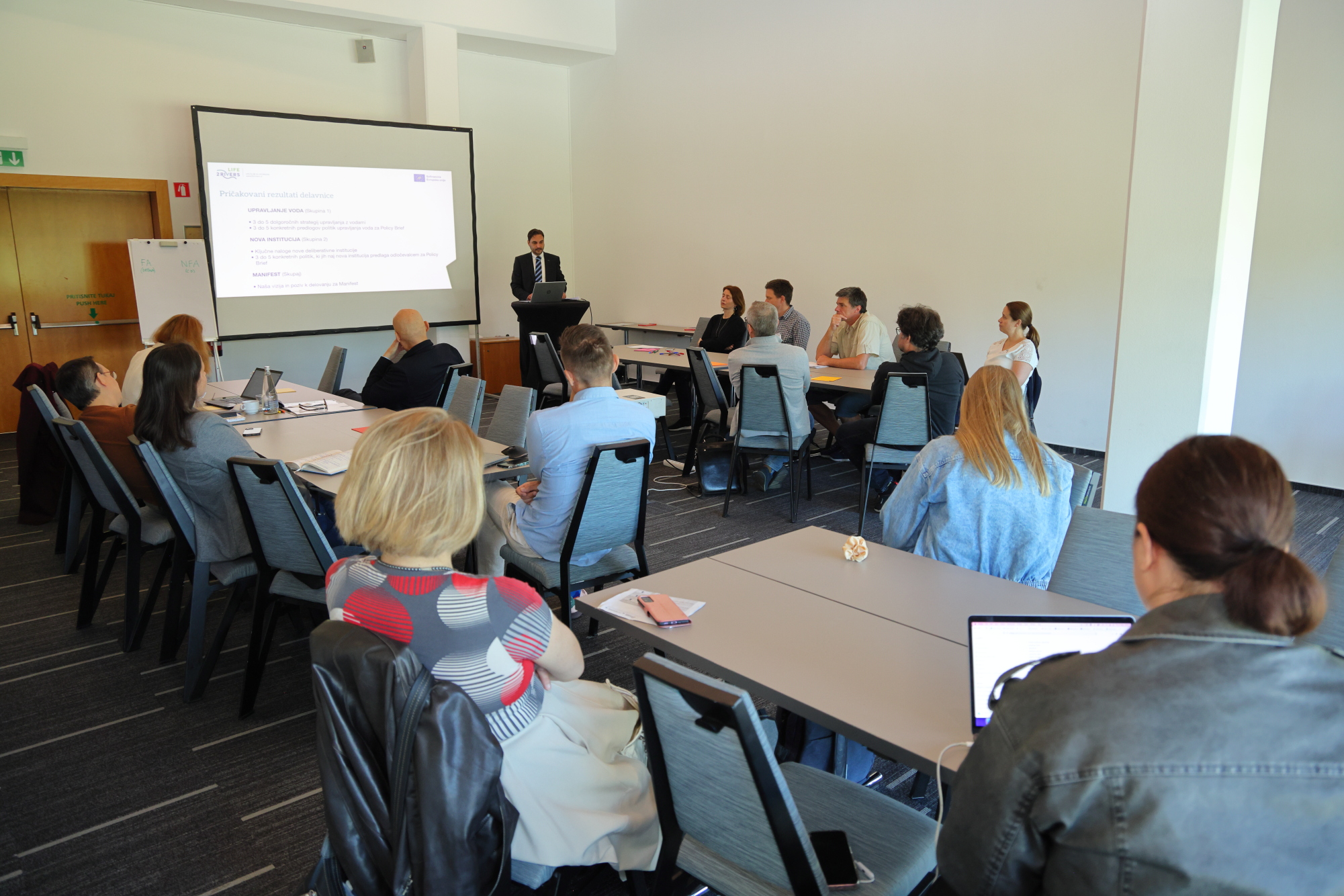
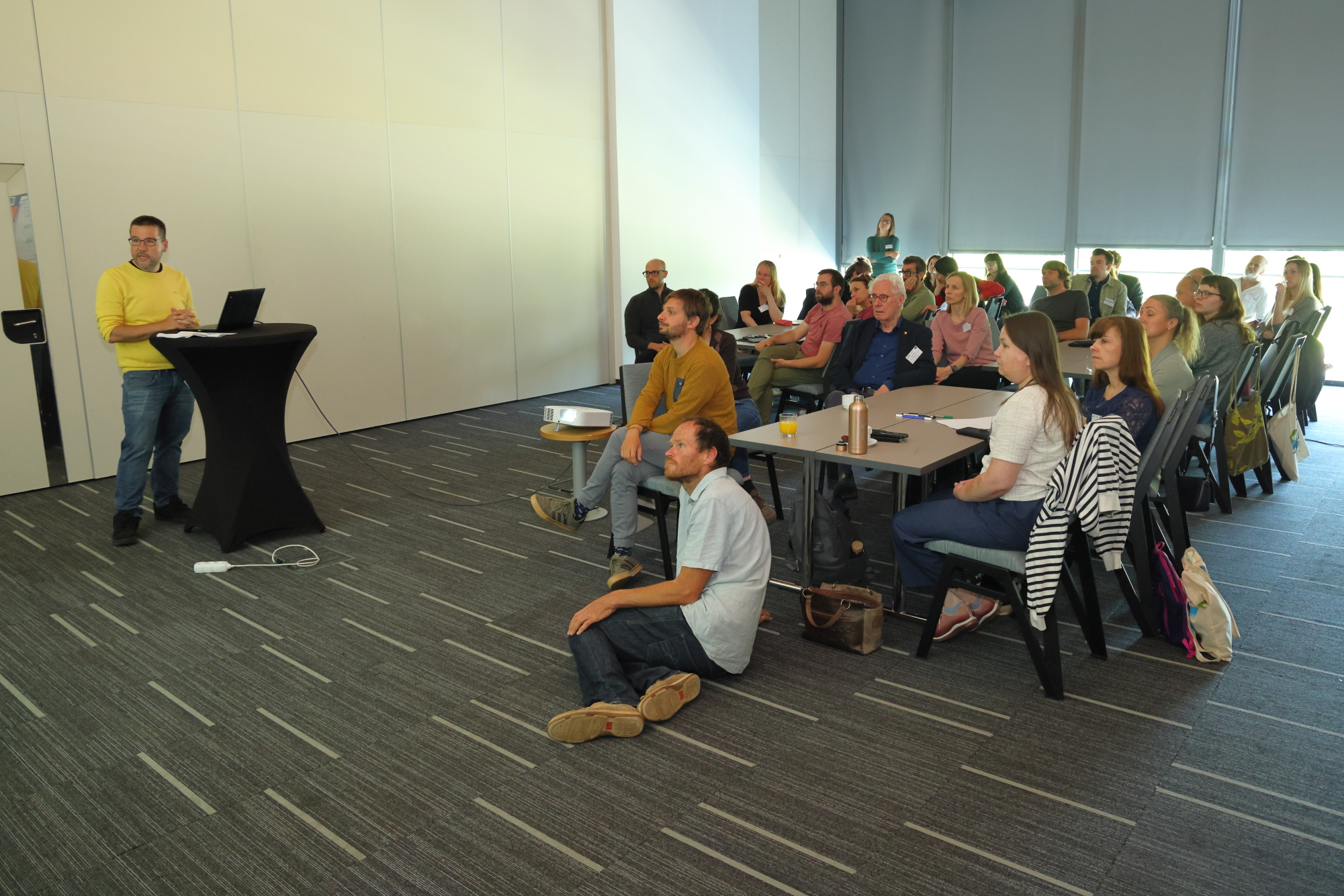
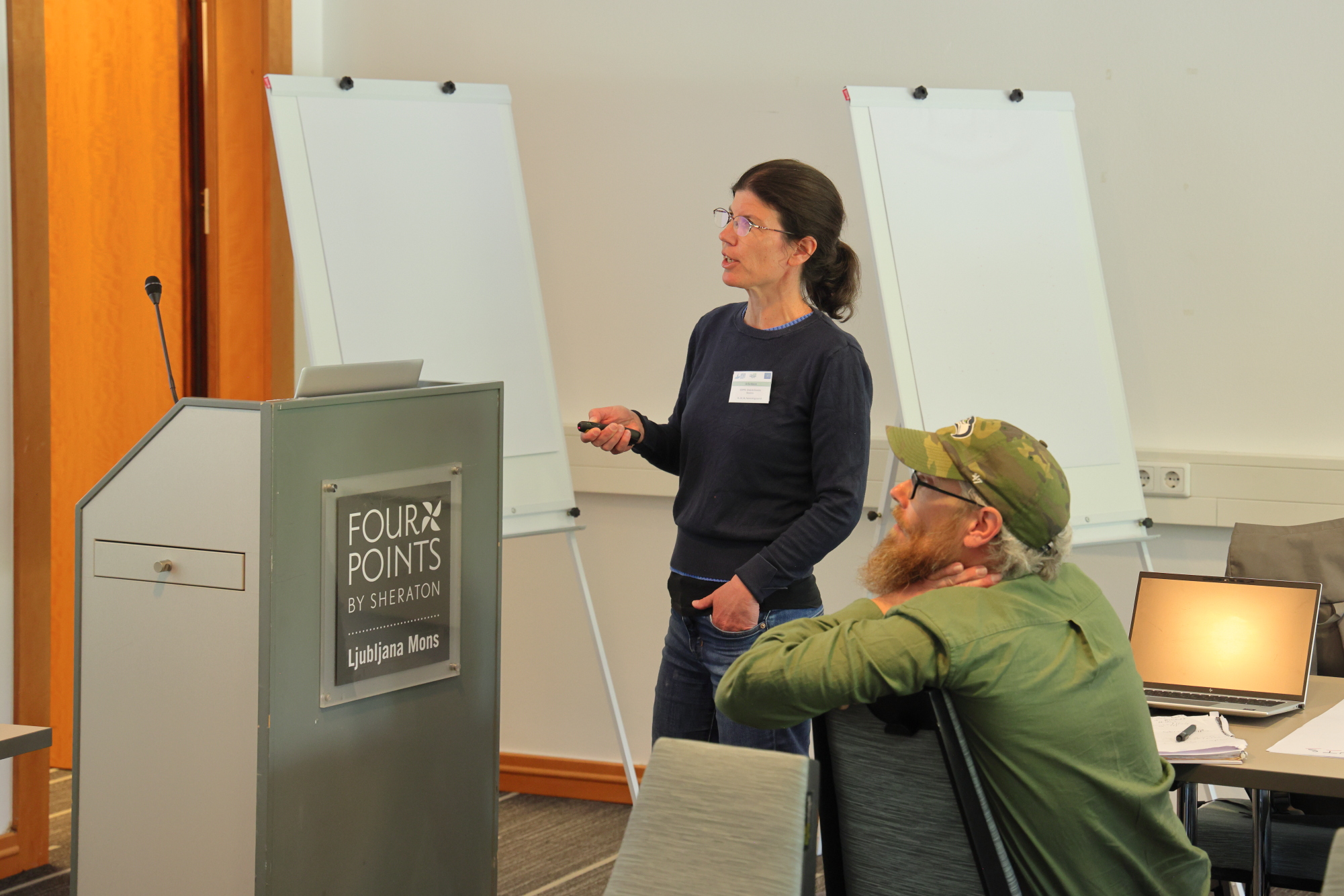
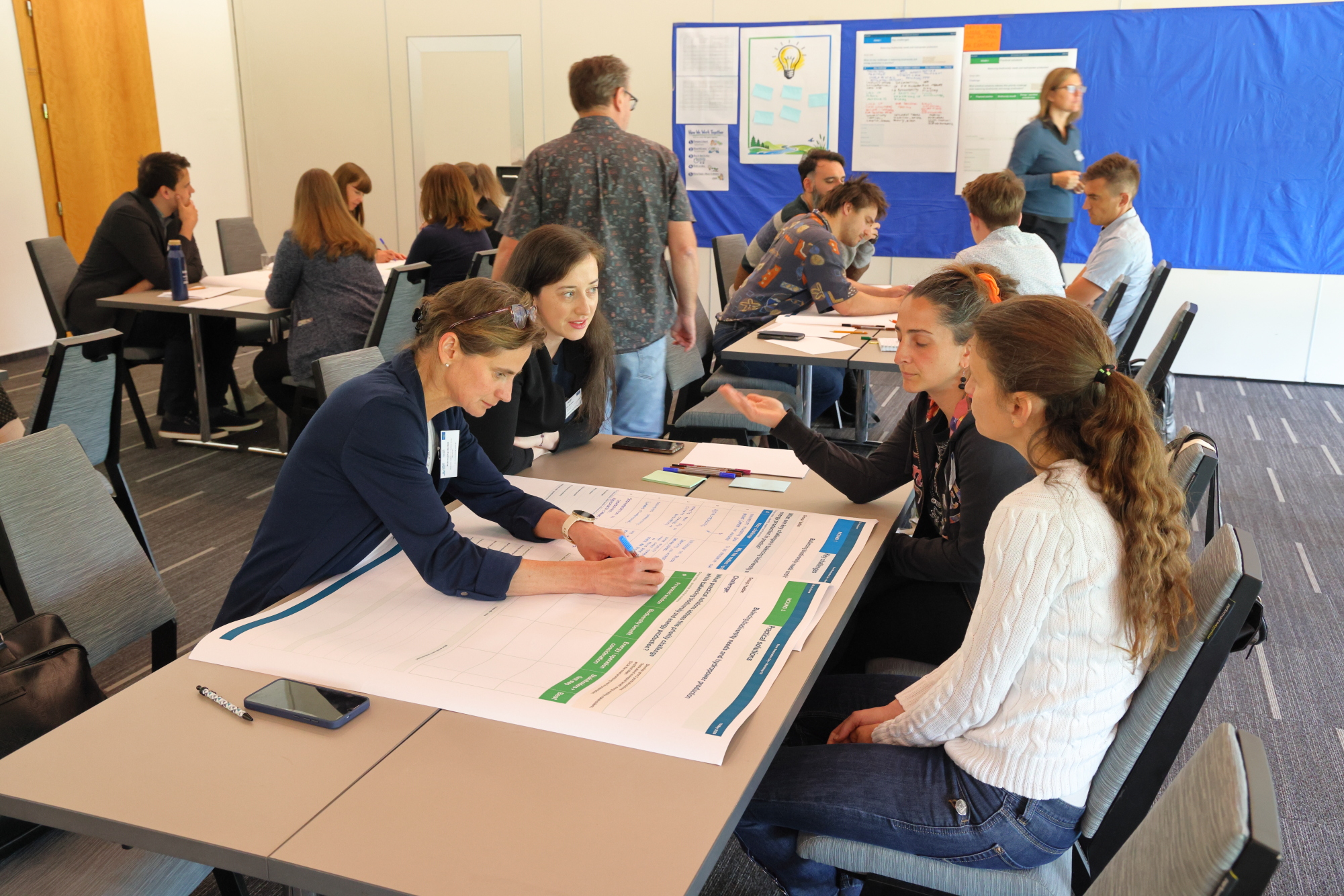
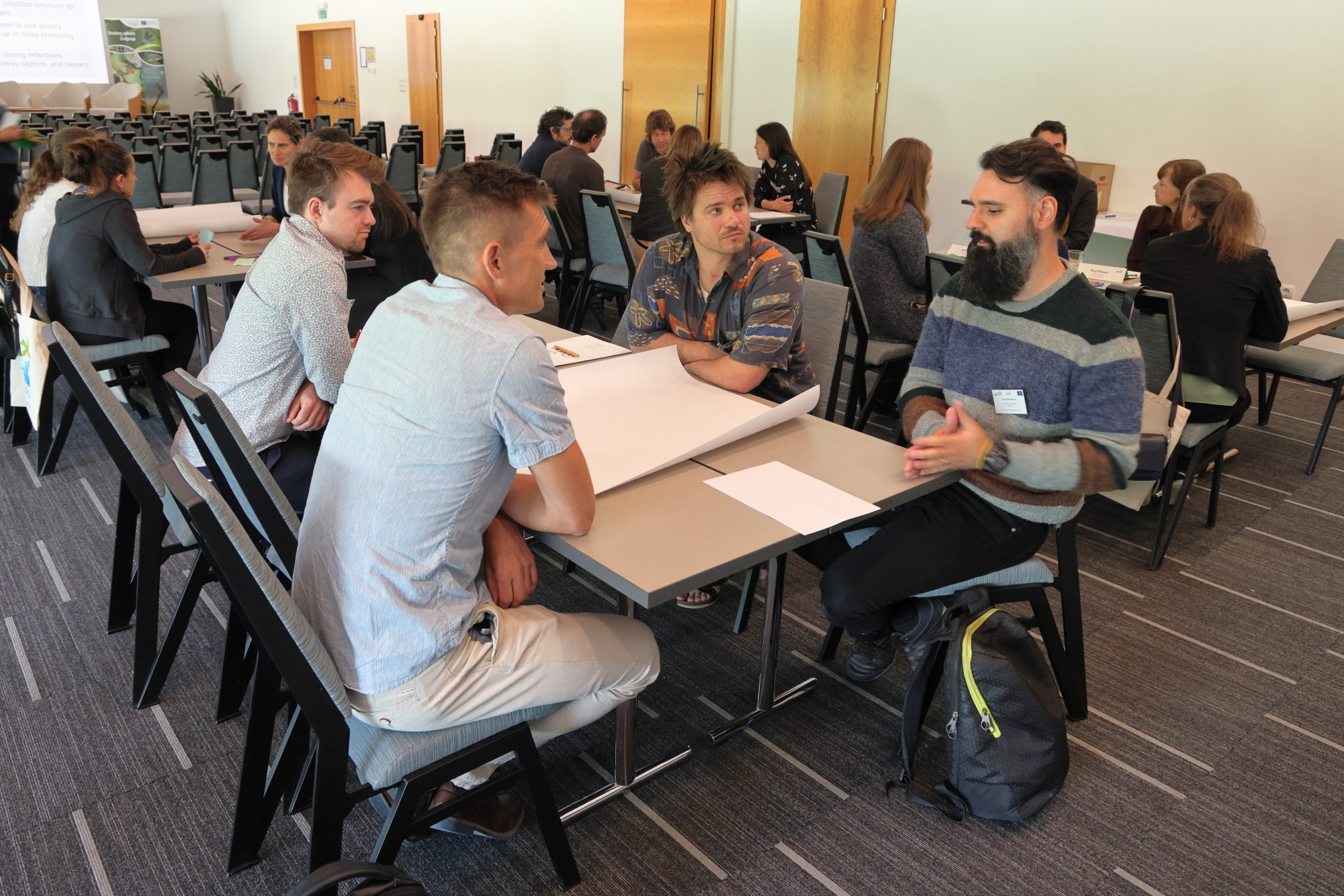
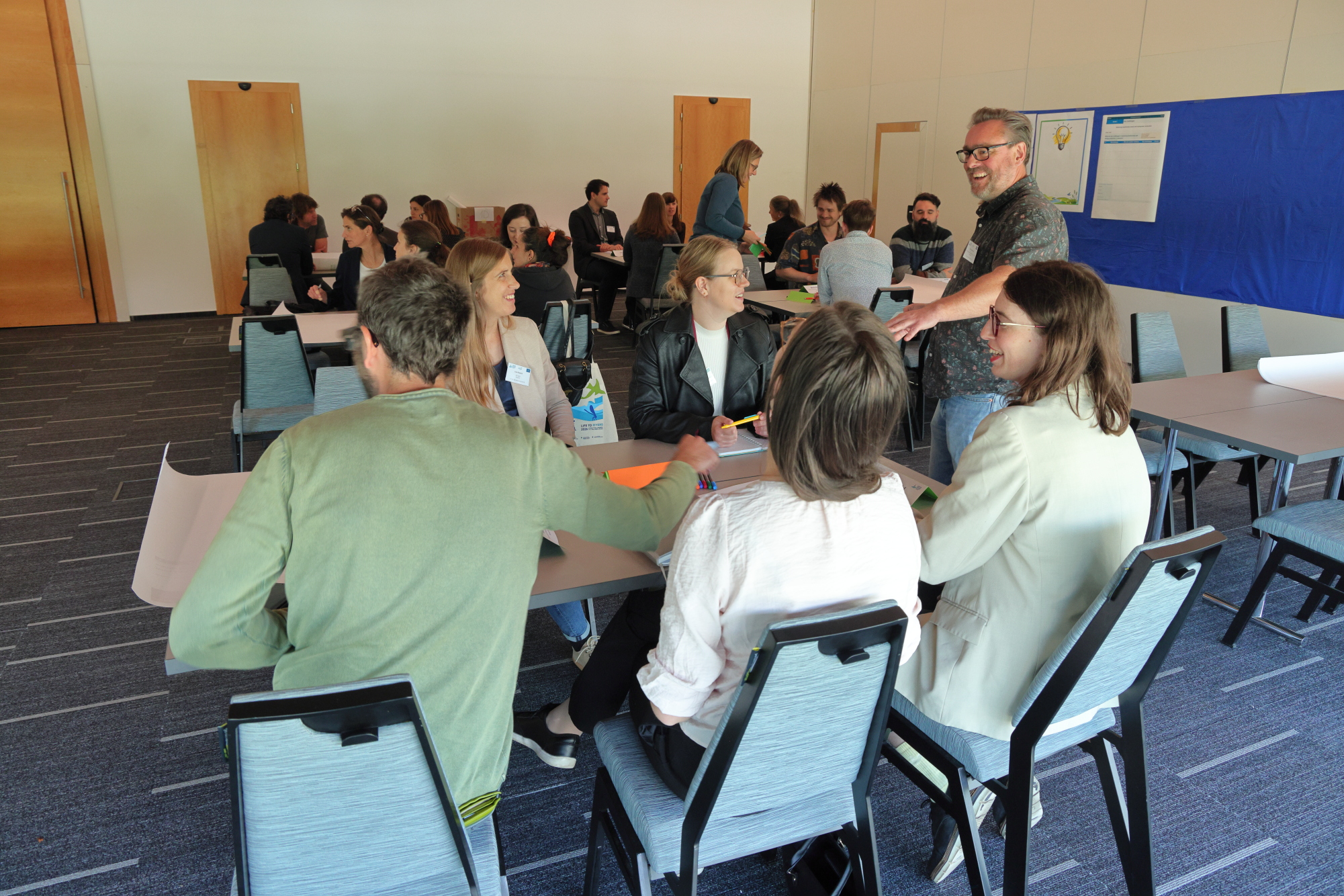
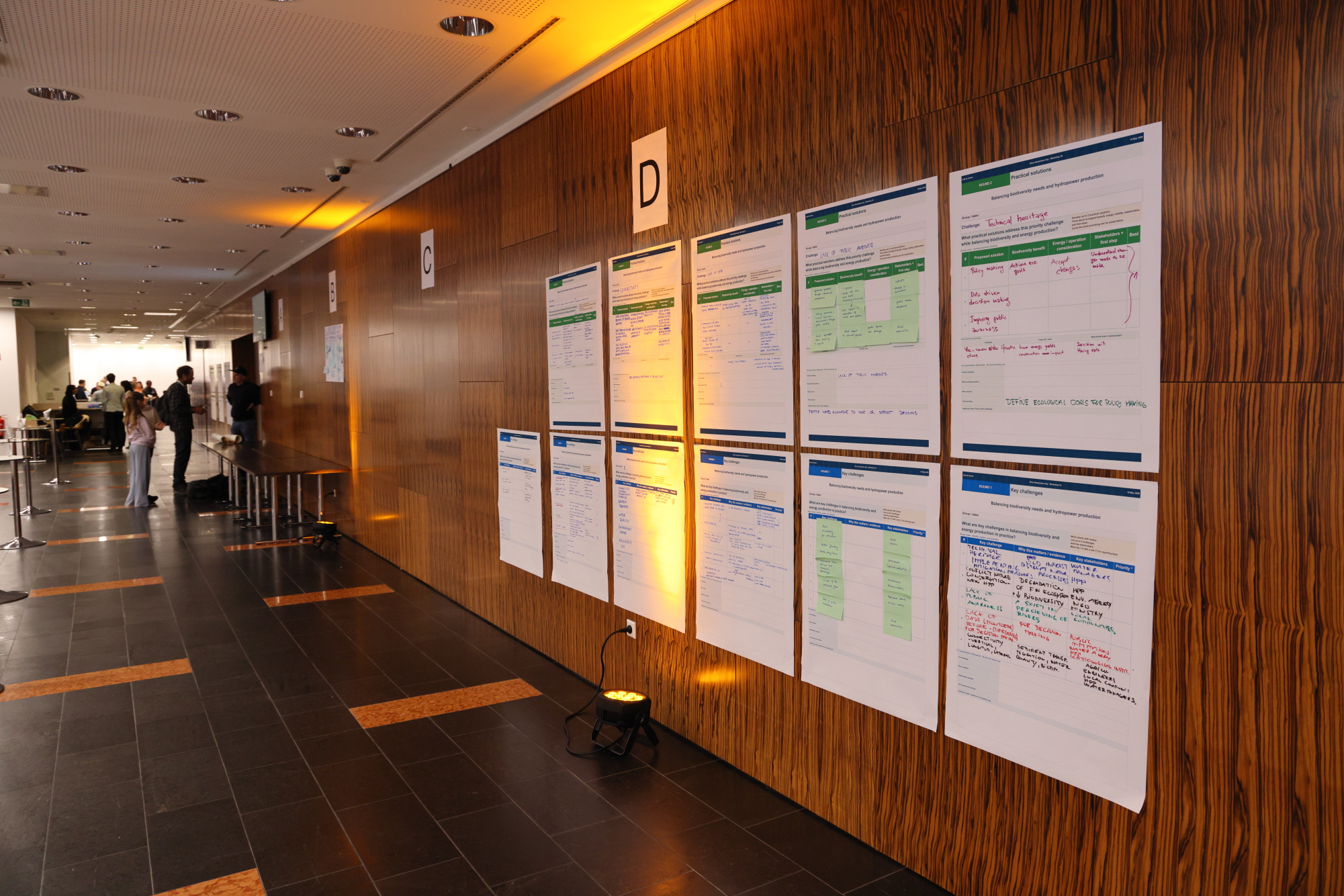
A key component of the congress was a series of workshops that enabled participants to engage in in-depth discussions based on real-world examples.
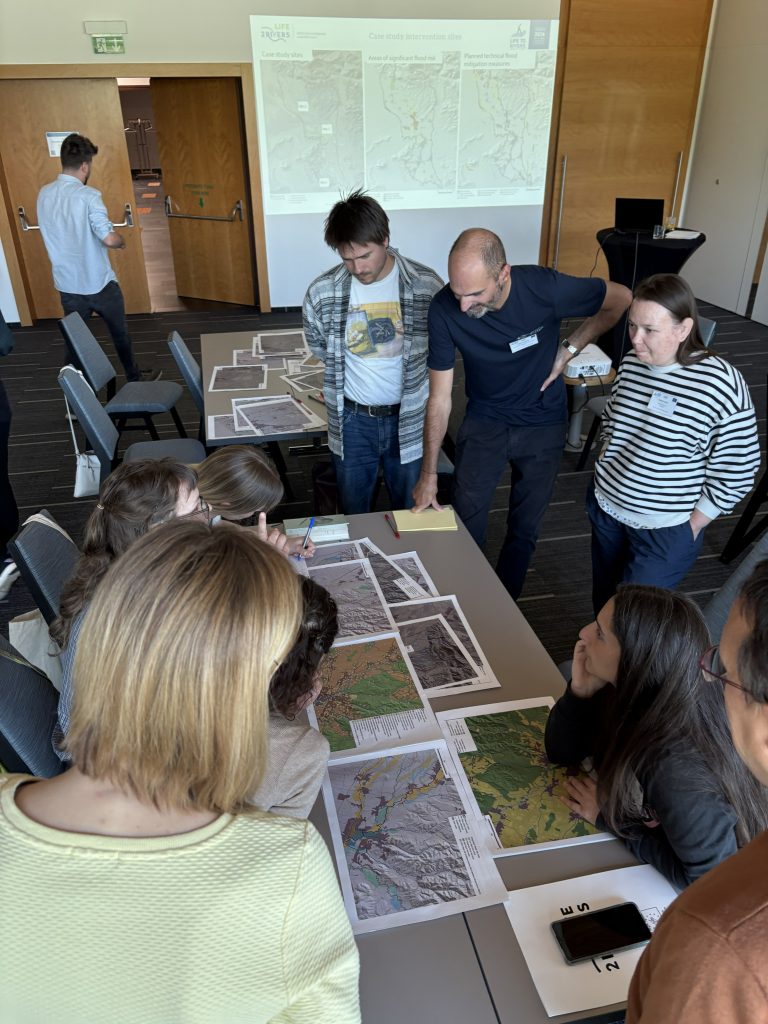
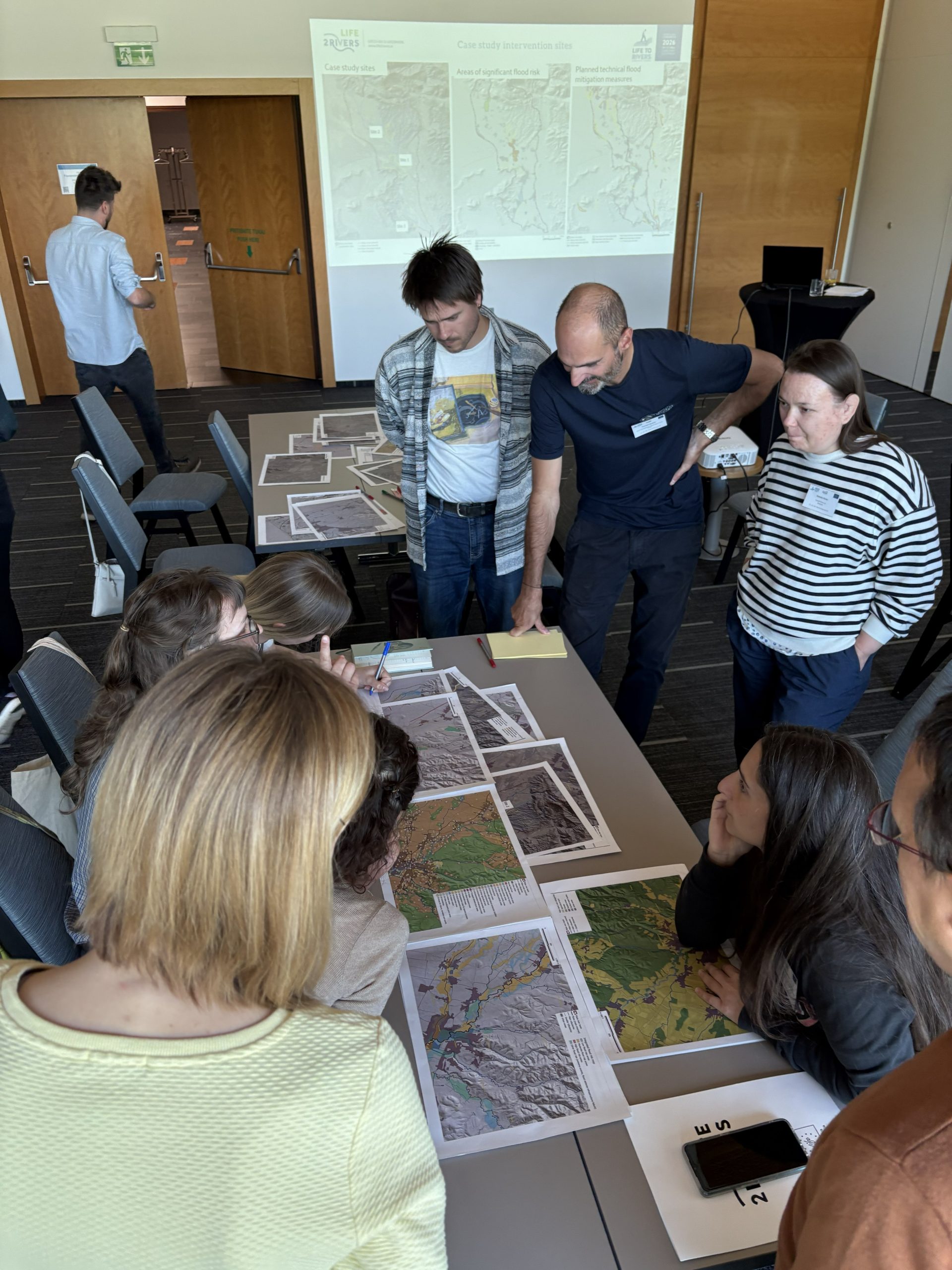
Most workshops focused on the Pšata River basin, where many of the challenges of modern water management are clearly visible: limited space for rivers, dense settlement patterns, constrained channels, and increasingly frequent extreme weather events.
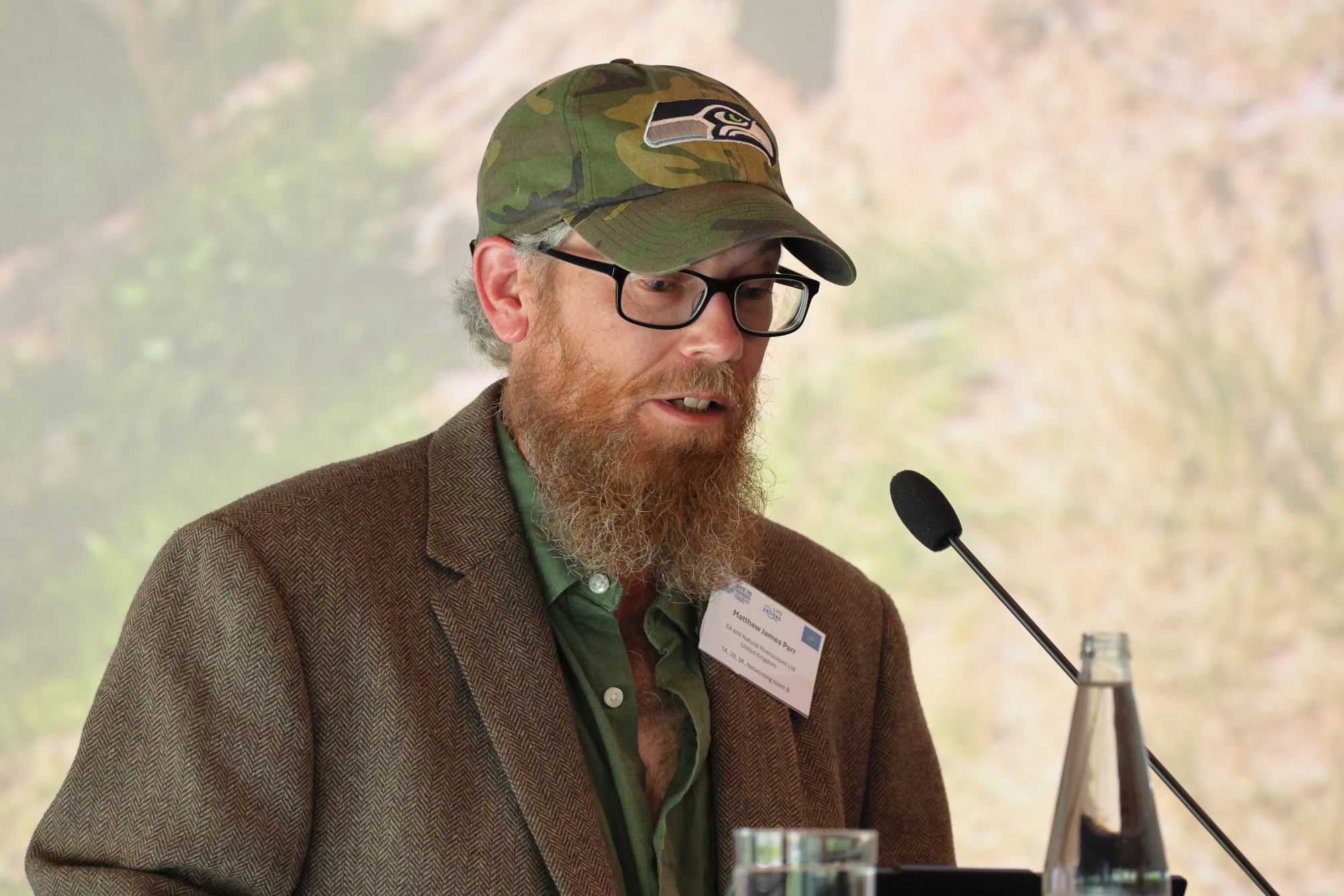
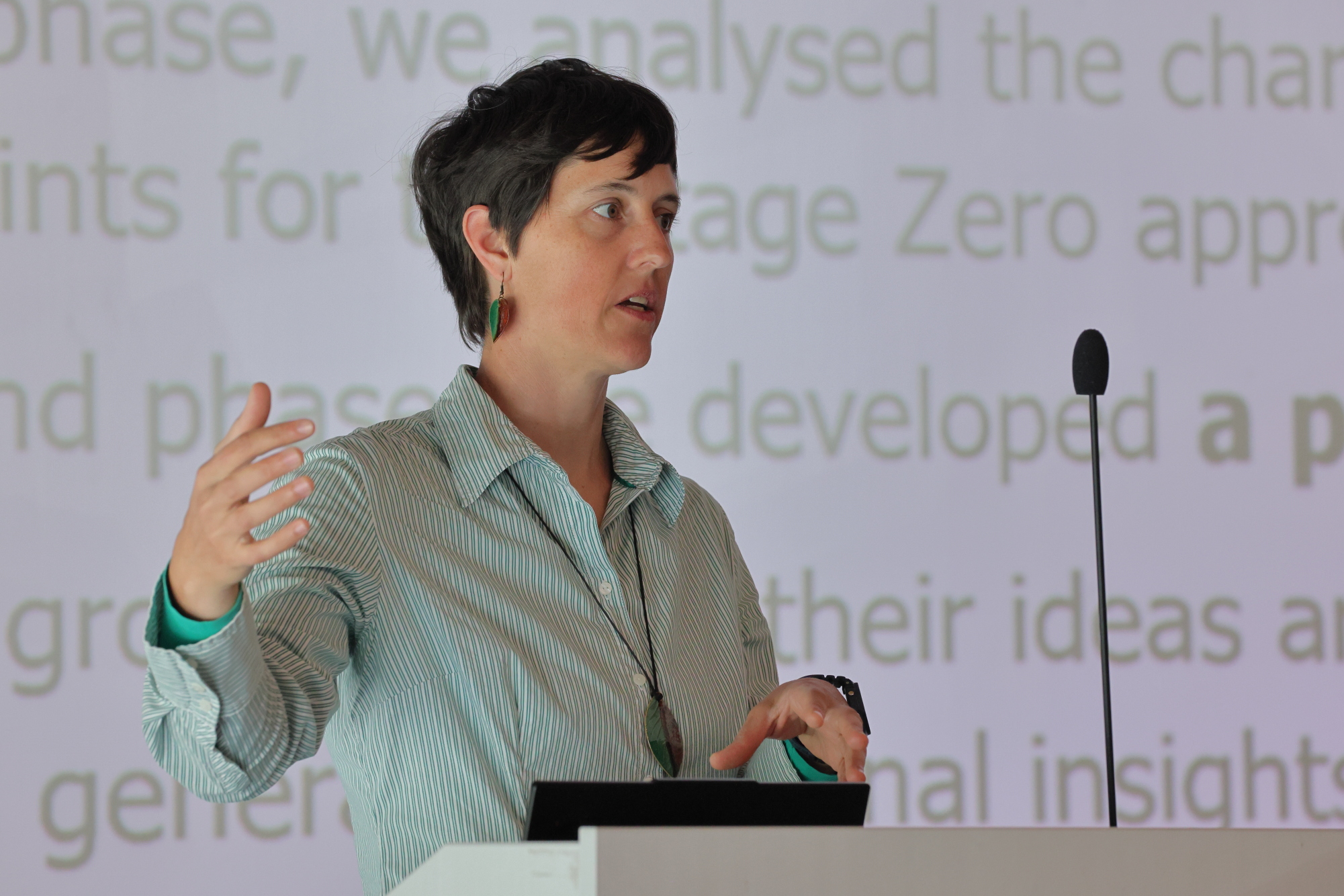
A workshop led by Matthew Parr introduced participants to the practical application of the Stage Zero concept, an approach centred on restoring natural river processes. Working in small groups, participants analysed specific sections of the Pšata River, identified constraints and opportunities, and developed potential restoration proposals. Discussions showed that Stage Zero offers considerable potential but must be applied thoughtfully, with a clear understanding of its limitations and in close cooperation with local stakeholders.
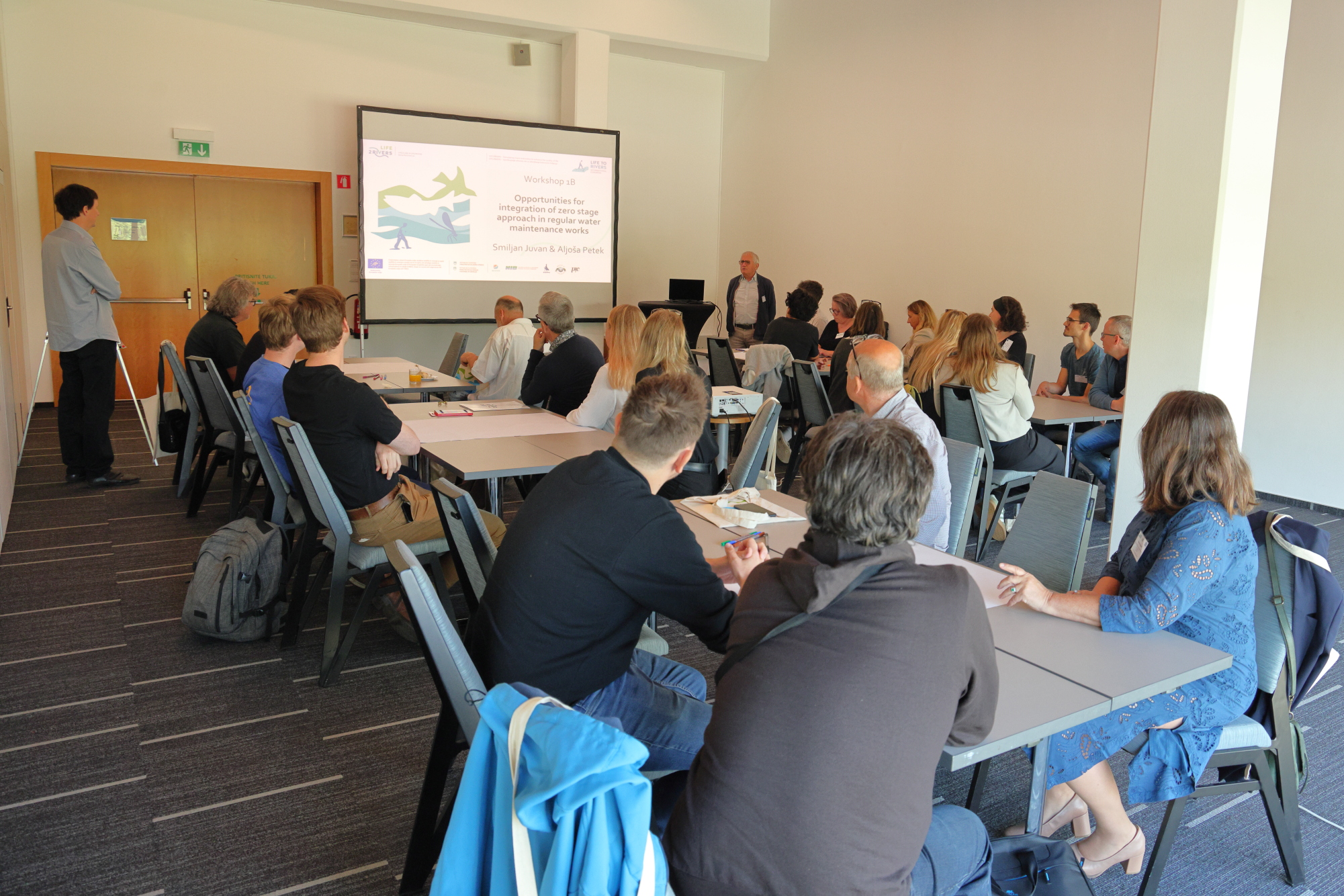
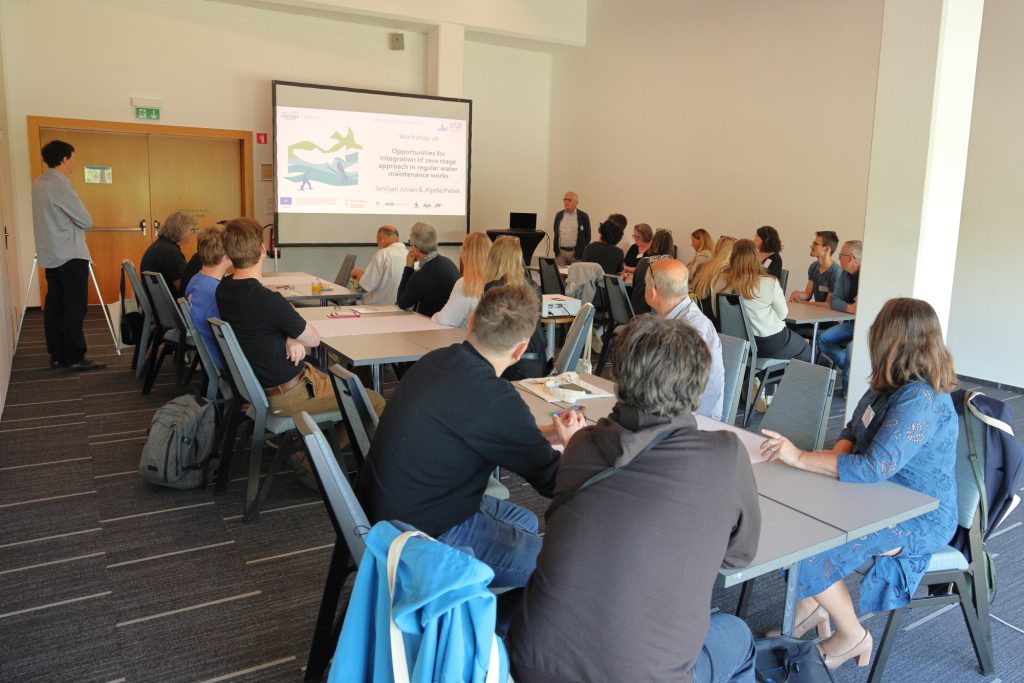
Another workshop, led by Smiljan Juvan and Aljoša Petek, explored how natural processes could be better integrated into routine river maintenance practices. Participants reviewed current approaches, identified key shortcomings, and developed recommendations for legislative changes, revised standards, and improved planning procedures. Among the key conclusions were the need for catchment-scale planning, stronger institutional coordination, and the development of pilot projects involving local communities.
River Restoration Is Also a Social Process
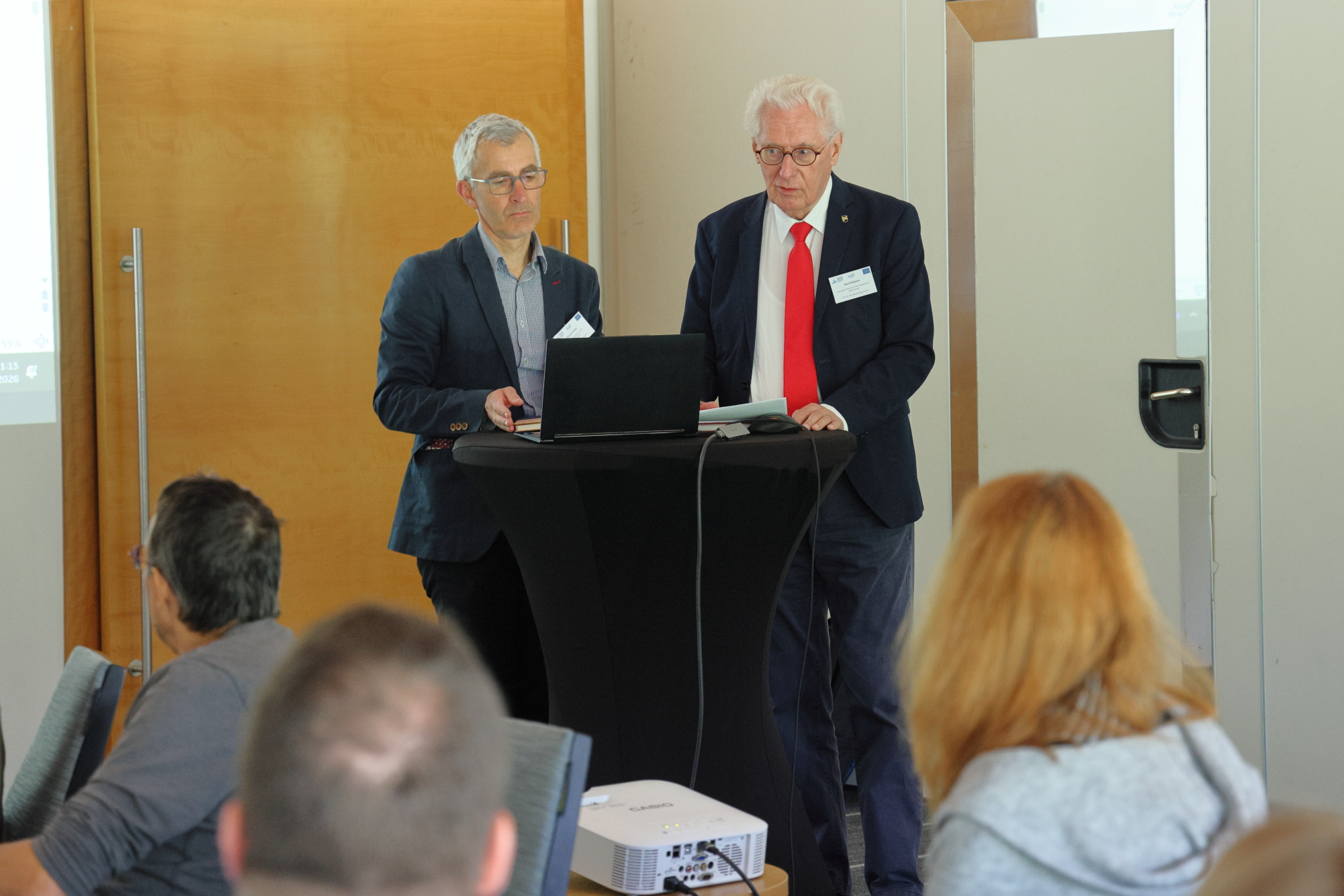
A workshop on social readiness, led by Bart Fokkens and Martin Janes, emphasised that river restoration is as much a social process as it is a technical one. Participants highlighted the importance of involving the public from the earliest stages, recognising local knowledge, and maintaining continuous communication in order to reduce conflicts and build support for restoration projects.
Similarly, a workshop led by Dragana Prijanović demonstrated that successful implementation of flood risk reduction measures depends on building trust, openly sharing information, and treating local stakeholders as partners in the search for solutions.
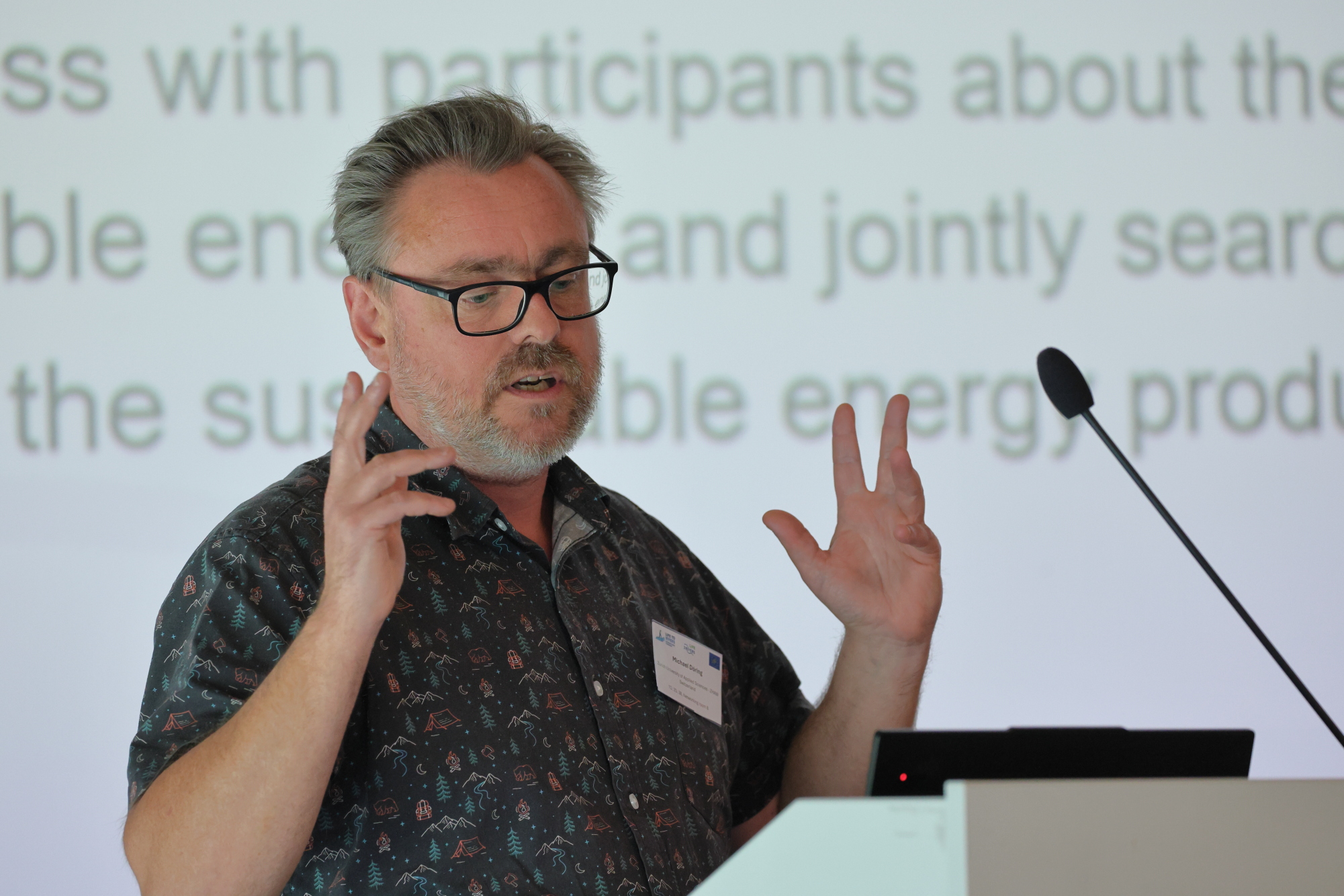
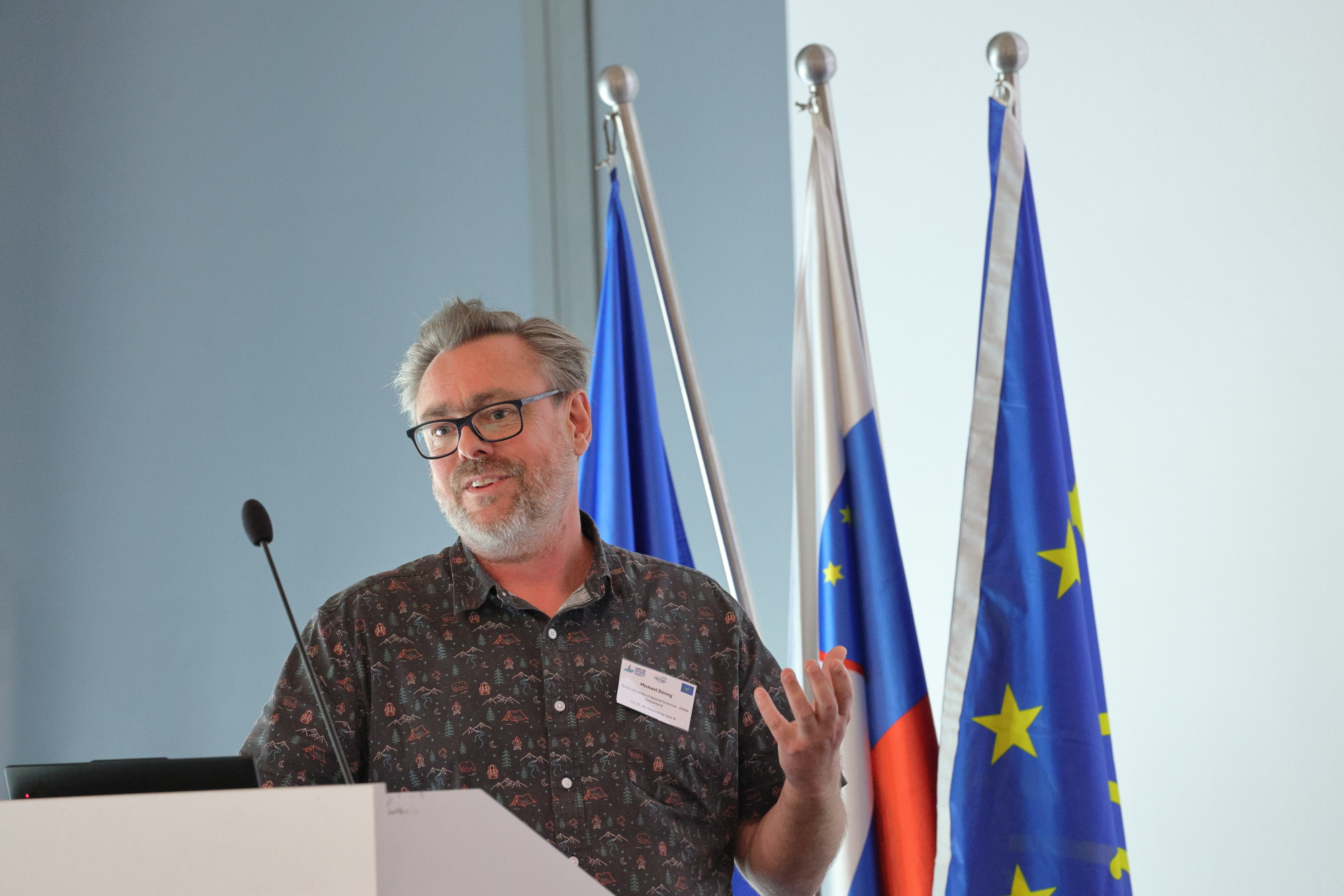
Particular attention was also given to a workshop exploring the balance between hydropower development and biodiversity conservation, led by Prof. Dr Michael Döring and Dr Nataša Mori. Discussions showed that the environmental impacts of hydropower can be reduced, but only through clearly defined environmental objectives, the removal of obsolete barriers, improved monitoring, and the meaningful involvement of all stakeholders in decision-making processes.
Other workshops addressed the challenge of designing Nature-based Solutions within complex social, economic, and ecological systems. Participants acknowledged that conflicts between interests are often unavoidable, but can be successfully managed through open communication, effective project leadership, and active community involvement. Discussions also highlighted the need for a broader cultural shift—one that promotes a better understanding of rivers, acceptance of their natural dynamics, and a willingness to adapt.
A Shared Responsibility for the Future of Rivers
The final day of the congress brought together technical, legal, and societal perspectives on water management.
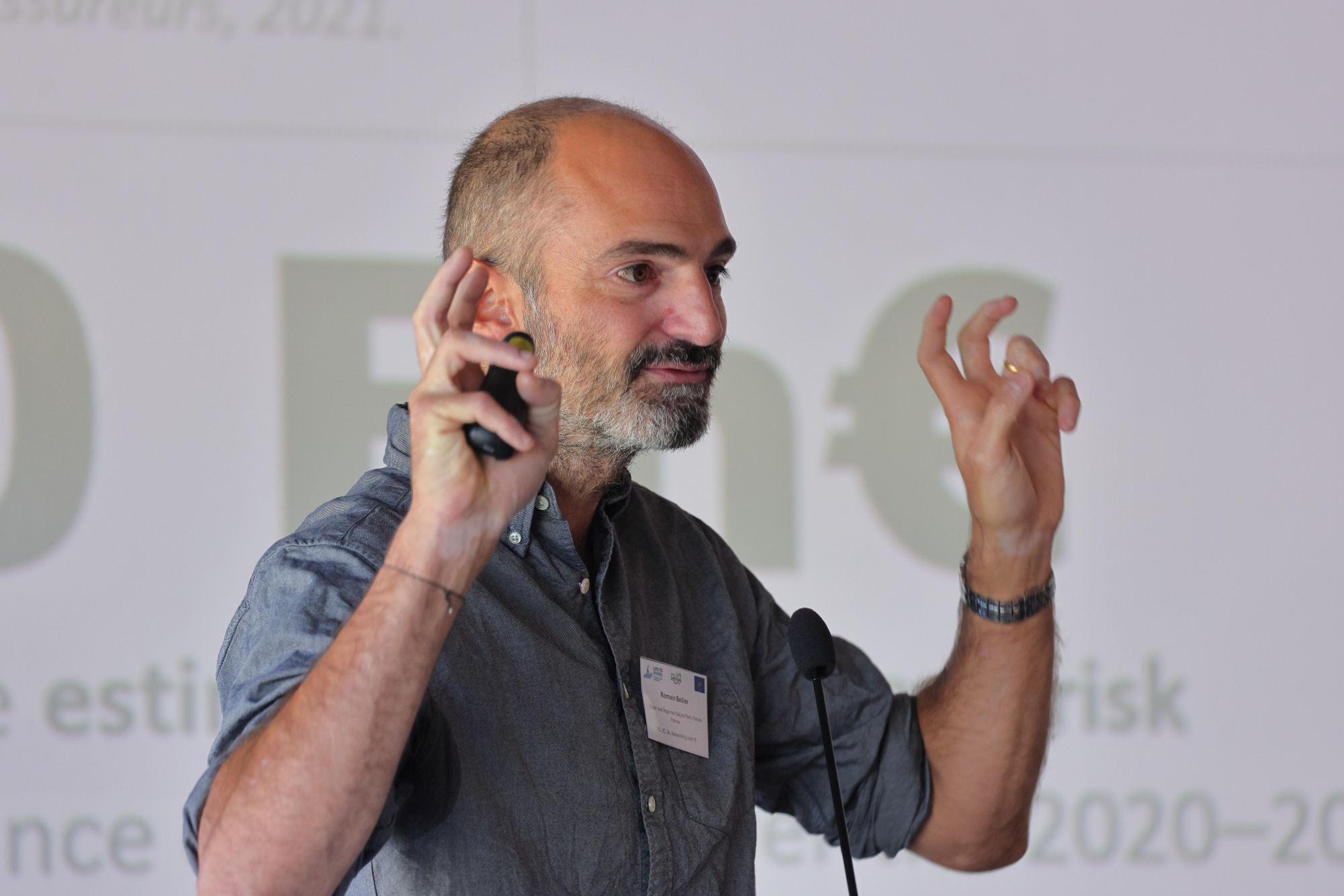
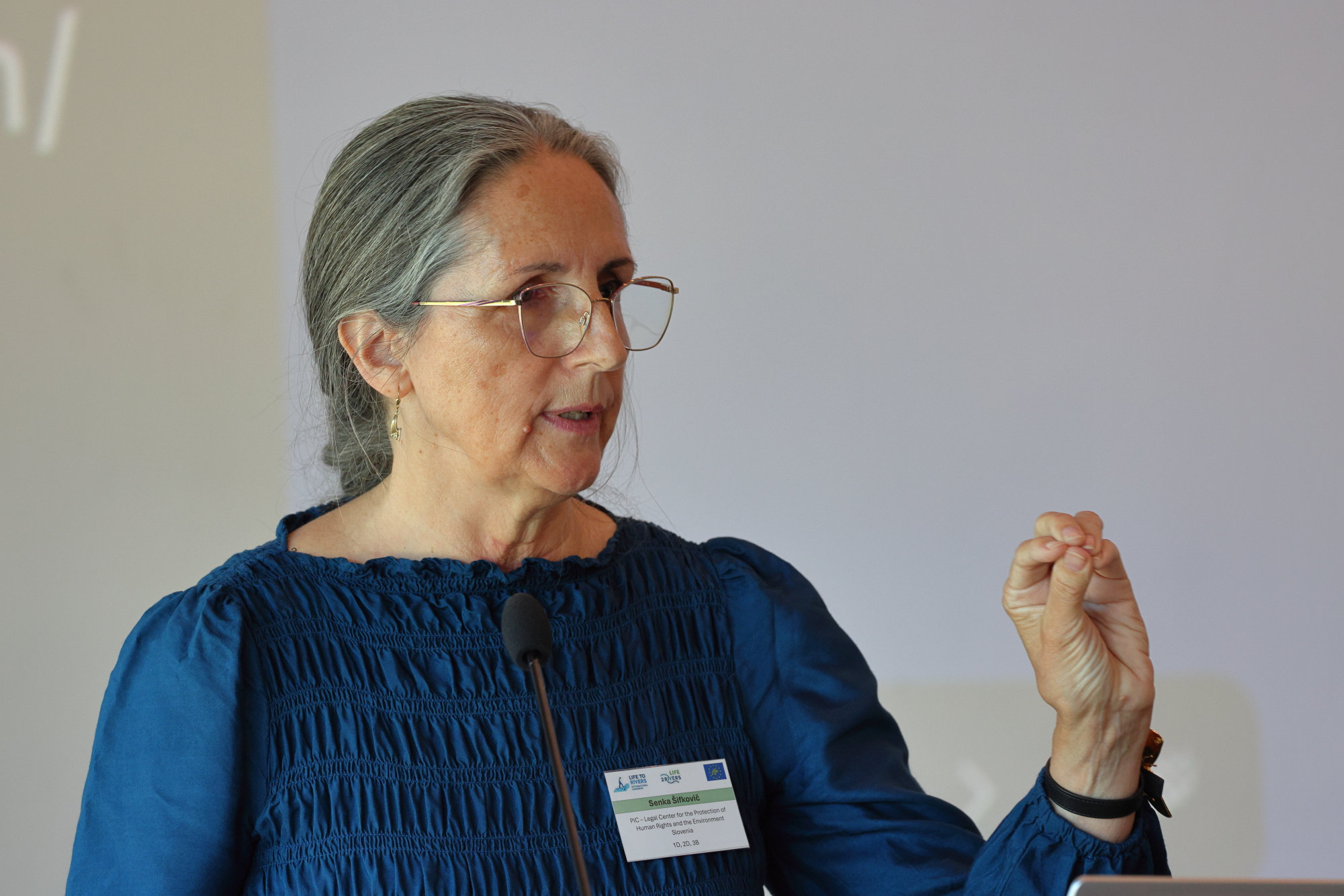
Senka Šifkovič emphasised that environmental protection is not only a technical or legal issue, but also a matter of democracy and public interest. Romain Beller presented the French GEMAPI model, which integrates river restoration, flood risk management, spatial planning, and local responsibility into a coherent framework. Dr Luka Đekić then introduced a proposal for a new institutional mechanism based on collaborative governance, aimed at improving decision-making quality, increasing policy legitimacy, and strengthening trust between institutions and the public.
The International Congress “Giving Rivers Space to Live” demonstrated that changes in water management are not only technical, but also political, social, and cultural. Discussions confirmed that healthy river ecosystems are essential not only for nature conservation, but also for strengthening society’s long-term resilience to climate change.
If we wish to live more safely and responsibly alongside rivers, we must recognise them as a shared resource and a common responsibility. The congress demonstrated that Slovenia is ready to embrace modern approaches to water management, supported by the knowledge and experiences of other European countries.
Most importantly, it reaffirmed that future solutions will only succeed if they are built on cooperation between experts, decision-makers, and local communities, and on a deeper understanding of rivers as dynamic, living systems.